


With over two million women living with fistula globally, the WHO estimates that 50,000 to 100,000 women worldwide each year are affected with obstetric fistula, which is the abnormal opening that occurs between the women’s genital tract and her urinary tract. This type of fistula is the major cause of maternal mortality and obstructed labour among the women.

Women who live with obstetric fistula suffer from constant shame, social segregation and other health problems. This fistula occurs when a mother has a prolonged, obstructed labour and doesn’t have access to immediate medical attention.
Some of the risk factors for fistula is teenage pregnancy, where you find the teen will give birth in a normal way, during giving birth, it leads to breaking of the genital parts of the teen. Poor access to medical care or the late access to medical attention when in labour pains is also one of the biggest factors with malnutrition and obstructed labour. The symptoms may include foul smell due to vaginal discharge, repeated urinary tract infections and pain in the virginal and during sex.

With countries like Burkina Faso believing that women with fistulas are cursed and they should be killed or isolated, and it is not a medical condition as medical doctors say, it has led to stigmatization of women living in that part of Africa.
Stigmatization among the fistula patients comes in different forms that explicit verbal abuse and devaluing them to be with others; women’s own anticipated stigma fearing that people may talk about her; and woman’s internalized stigmatization and revealed as being shameful, loss of self- worth, and self- importance. Thus the significant women affected by obstetric fistula isolate themselves from social interaction and leave their usual household roles, refrain from disclosing their situation, they avoid even seeking healthcare, and thus may suffer different mental problems, all of which lead them to be unable to contribute positively to their society’s social, economic, and political development.

Obviously, stigmatization causes the majority of women living with obstetric fistula to experience severe psychological traumas including humiliation, being marginalized, abandonment, loneliness, divorce, and despair, which are the most difficult situations to bear. Also, they experience angriness, sadness, and shame associated with their inability to undertake their role in a decent manner, and being frightened of their future life in relation to having partners, marriage, sex, becoming pregnant, giving birth, and reintegrating back in their local communities. Overall, stigmatization related to genital fistula has devastating health, social, economic, and psychological consequences on the health and well-being of the affected women, which in turn affects their rehabilitation and reintegration to their families and communities even after successful fistula repair. A number of strategies should be put in place to enable the affected women to be free from stigmatization, and also to encourage them to seek healthcare quickly and live freely a productive life after fistula treatment.
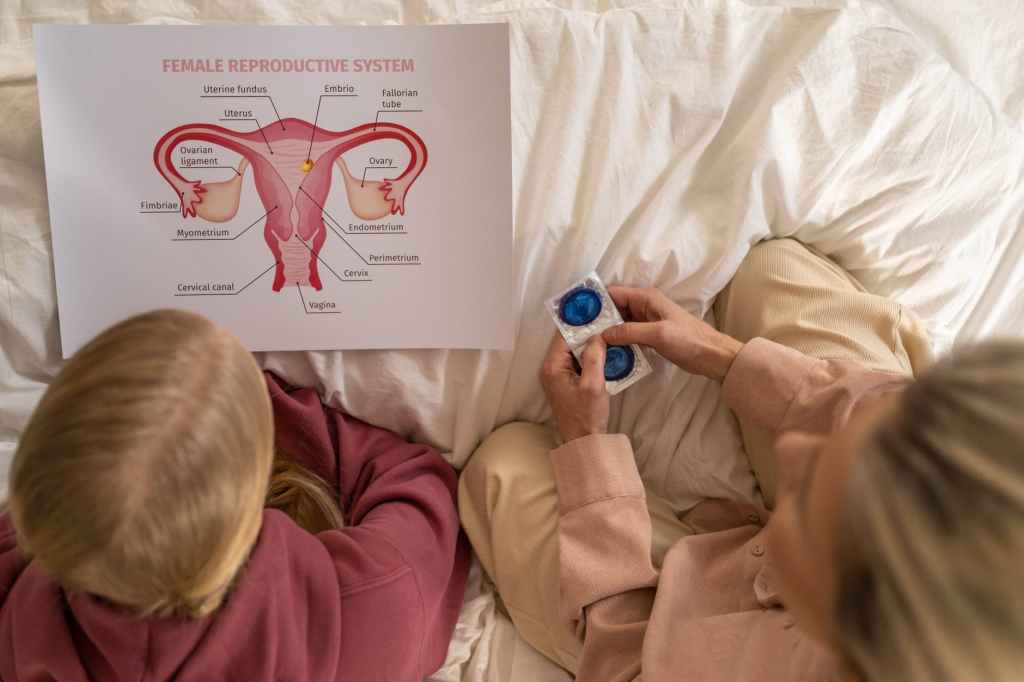
To reduce the perceived level of stigma and therefore to prevent the severe negative consequences of it, not only fathers, but also mothers, husbands, family members, and all the persons close to women living with genital fistulas should provide care and psychological support and all the necessary means to strongly encourage them to seek health care quickly, and to make them feel that they are beloved, and that there is hope for a healthy life in their near future. The government should also join in the fight against stigmatization of these women; let us offer love, care and attention to them.
Bluestar Insider
Aggrey Karani is an undergraduate student pursuing Bsc in communication and journalism at Rongo University.
 THE BLUESTAR INSIDER
I love it
LikeLike