


Menstrual stigmatization has become so prevalent in Kenya that girls and women have become subjects to period shaming. Sadly, Kenya is hardly the only country home to period shaming commonly referred to as menstrual stigmatization. Normally, menstruation is a healthy and natural part of the female reproduction cycle. Devastatingly, many girls during their developmental stages in the country still experience period stigma. Ending the global stigma which surrounds female menstruation and making sanitary products widely available is all important to increase women’s health, education, employment, empowerment and livelihood.

According to UN experts, ” The stigma and shame generated by stereotypes around menstruation have severe impacts on all aspects of women and girls’ human rights’.” On any given normal day, more than 800 million girls between 15-49 years are menstruating yet the stigma still persists.
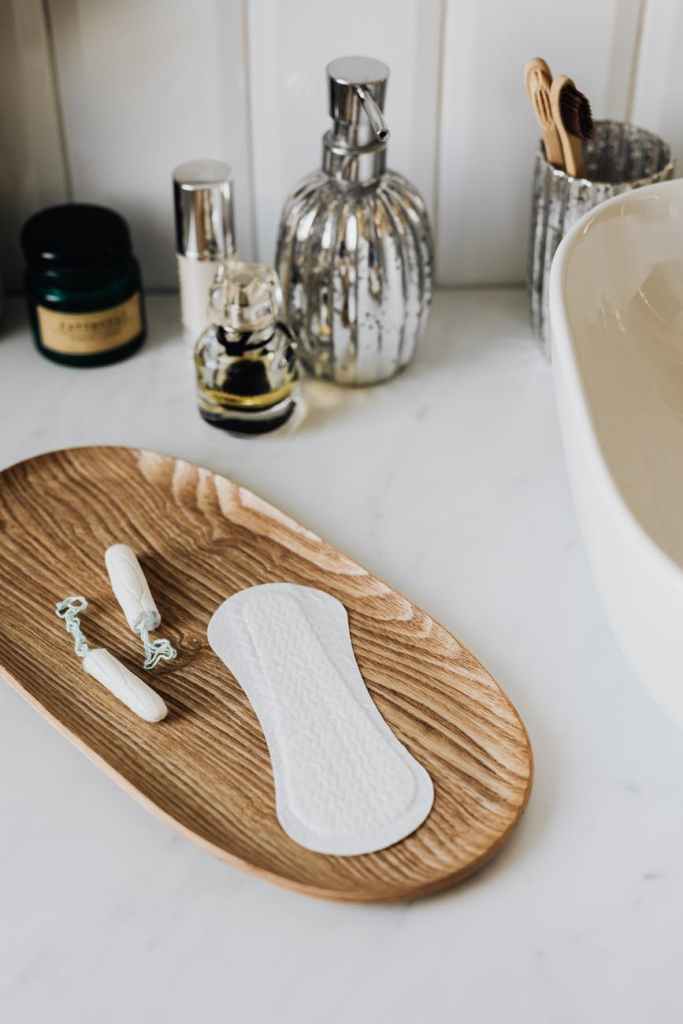
According to research done by Menstrual Health Day, a global advocacy platform for non-profit organizations and agencies to promote menstrual health shows that 65 percent of Kenyan girls and women are unable to afford basic sanitary pads. The situation is so burning that in a 2015 study 3000 women, Dr Penelope Phillips-Howard found one in 10-15 year-old girls were having sex to get money to pay for sanitary wear. Furthermore, a 2020 study done by the population council in fire informal slum settlements in Nairobi Kenya, for example, found that the pandemic affected the ability of women and girls to buy sanitary products. One third of the women in the study said that they weren’t able to buy sanitary pads. At the same time, a research conducted by the Ministry of Education showed that girls in Kenya usually miss about four days of school each month on an average of 20 percent of the school terms which translates to two years of learning each term because they are on their periods.

In spite of recent robust campaigns by Kenyan women in challenging menstruation taboos and increasing attention to the issue of menstruation stigmatization in Kenya, the country still experiences a myriad of period shaming cases. Due to this stigmatization and at times lack of sexual education—both from the community and school, menstruation knowledge remain limited leaving many girls with negative and unsure feelings and experiencing psycho-social stress, which impacts their stability to learn. Therefore, period stigma and taboos persist, and can undermine adolescent girl’s confidence at a key stage of development. For instance, in September 2019 a kenyan school girl died by suicide after experience too much period shaming. The 14-year-old adolescent had experienced an excessive humiliation from the teacher after being called “dirty” for staining her uniform. So menstrual stigmatization has a significant impact on the social and family life, education, work and general well-being of women and girls.

Few years ago, the Kenyan government took steps in countering this problem. It became the first country in the world to drop taxes on imports of sanitary products for women and girls. Additionally, the government committed $3M to help distribute sanitary pads to low income communities. In April 2016, the government launched a similar funded programme to help distribute over 140 million free sanitary pads to 4.2 million girls across the country. Unfortunately, it collapsed out as supplies ran out and girls started missing classes again despite it running for four months.

Three years ago, the head of state assented to the Basic Education Amendment Act that would have seen girls who have reached puberty across the country be provided with free, quality sanitary towels in sufficient quantities, all funded by the state. But so far little has happened on the ground. There have also been growing concerns about embezzlement of funds mend for sanitary pads. A report published by the Nairobi News showed that a supply of 300,000 sanitary napkins intended for schools had been stolen and repackaged with the intention of reselling them.
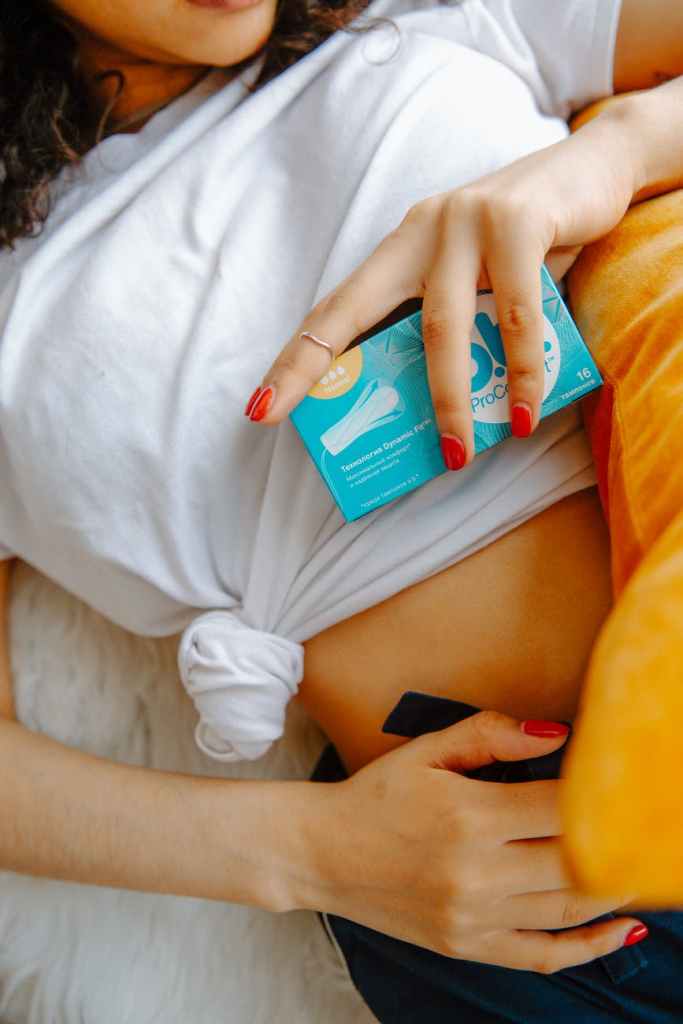
In rural areas of Kenya, only 32 per cent of schools have a private place for girls to change and dispose of their sanitary products and those that have, are poorly maintained and unsuitable for menstrual health hygiene. Many teachers are also uncomfortable talking about or teaching menstruation. To improve on that matter, gender-separated facilities with door locks, lighting, disposal bins and washing stations with soap and water need to be constructed. Also, behavior changes and hygiene promotion campaigns incorporating menstrual health hygiene need to be undertaken, targeting teachers, parents and the larger communities.
The government should invest more funds in monitoring and surveillance to ensure that sanitary towels reach those who need them the most. In conclusion, there is also a need to further exploration of barriers that lead to period shaming and address it urgently.
Bluestar Insider
By JACKSON NGARI and MAXWELL KAMAU.
 THE BLUESTAR INSIDER
Reblogged this on Jackngariwrites.
LikeLike
Good,,nice one
LikeLike