

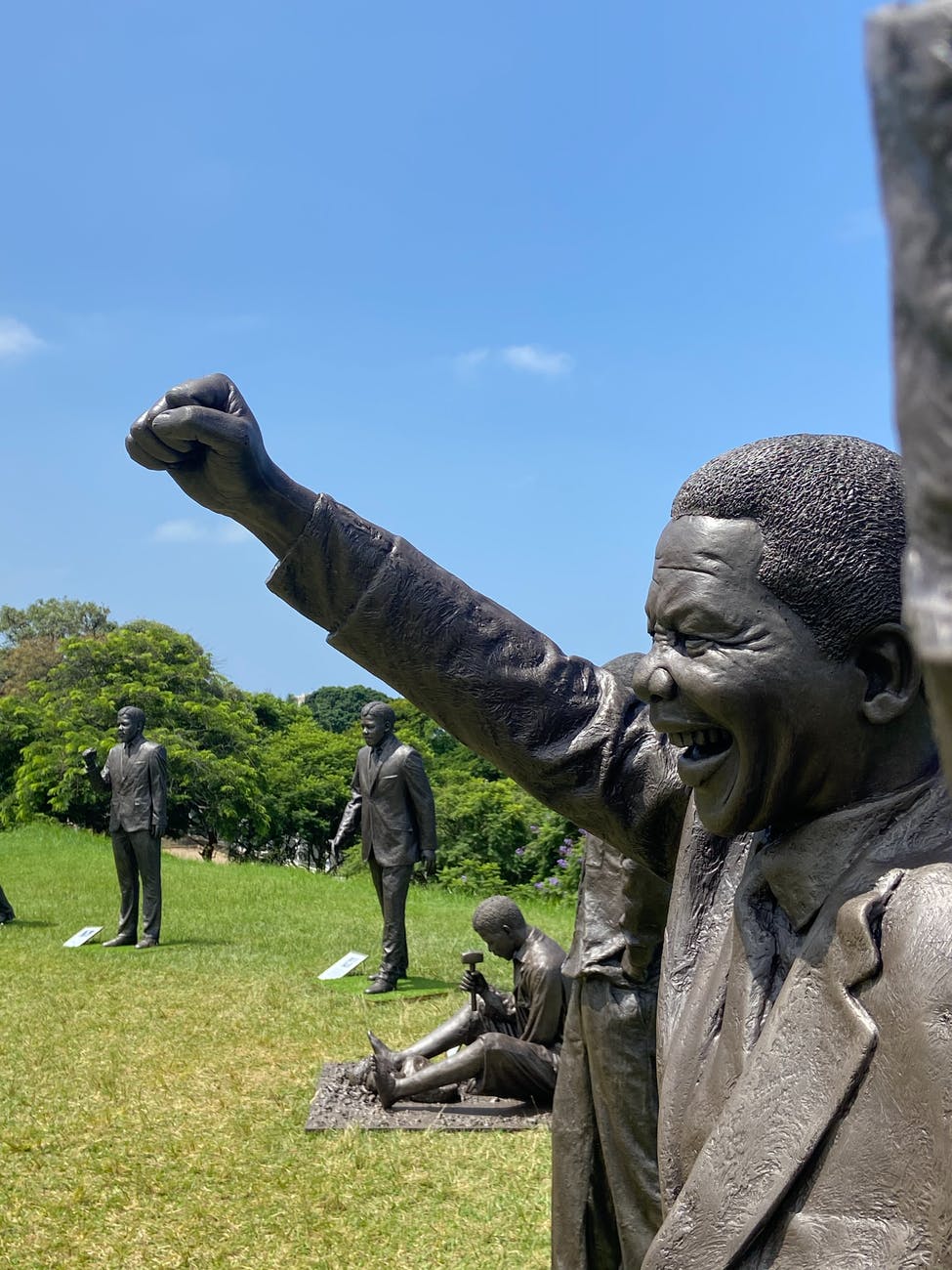
On 18th July every year, communities and individuals from every corner of the world usually assemble to commemorate Nelson Mandela International Day. Inspired by how the former late South African President consecrated his life to the service of humanity, and his concerted efforts to the breeding of culture of peace and freedom, the UN General Assembly in November 2009, singled out this special day to recognize his contributions to race relations; conflict resolutions; promotion and protection of human rights; gender equality and the rights of children and other vulnerable groups; eradication of poverty; the promotion of social justice. The first UN Mandela Day was held on 18 July 2010.
According to the UN General Assembly, resolution A/RES/64/13 acknowledges his contributions to the struggle for democracy internationally and the promotion of a culture of peace throughout the world. This year’s theme centers around, “Do what you can, with what you have, where you are.”
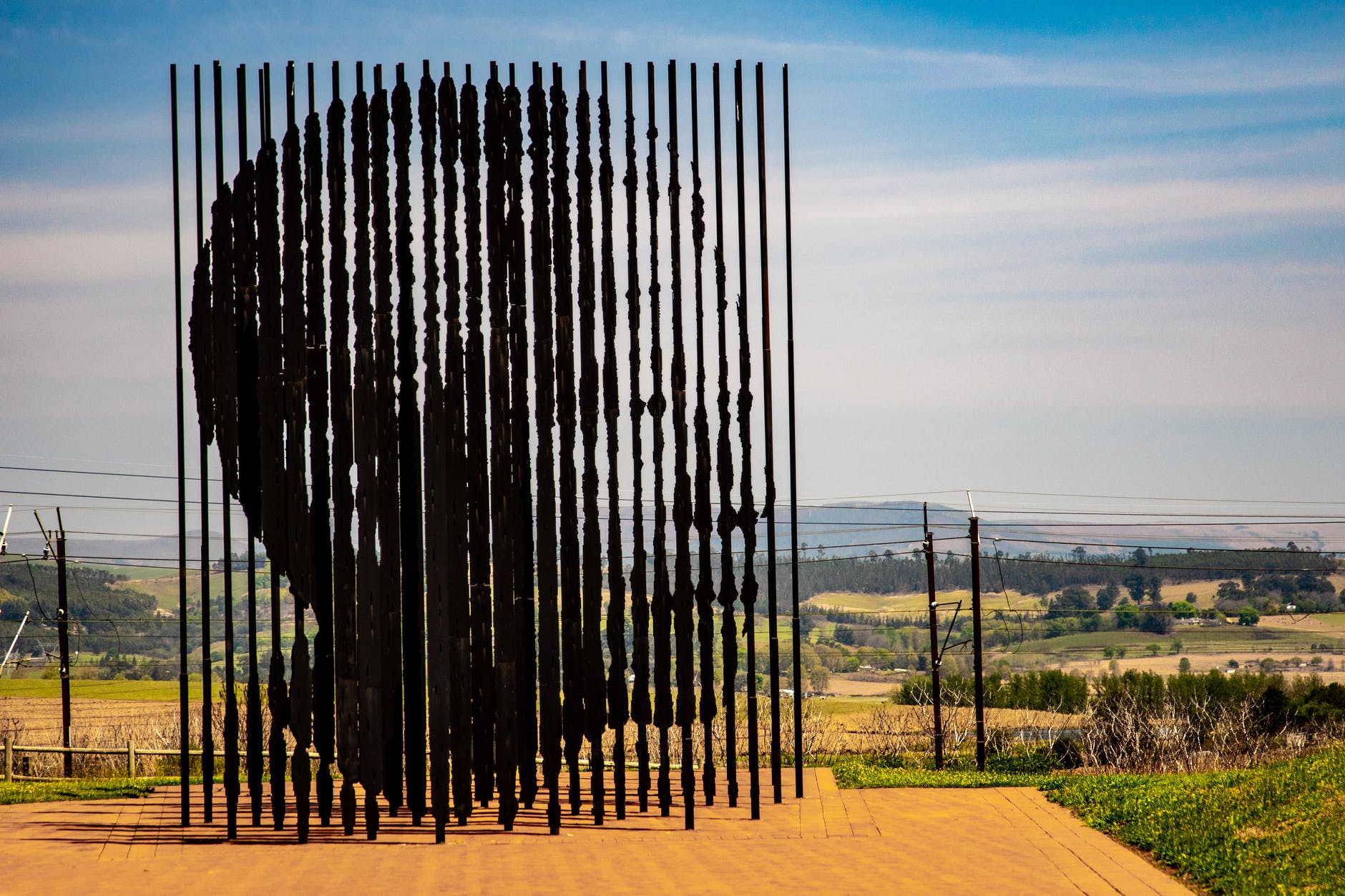
Noteworthy, United Nations General Assembly (UNGA) in December 2015 opted to extend the spectrum of Nelson Mandela International Day to be also used to heighten humane conditions of imprisonment, raise robust awareness about prisoners being a continuous part of society, and appreciate the work of prison staff as a social service of particular importance. It adopted (A/RES/70/175) the revised United Nations Standard Minimum Rules for the Treatment of Prisoners and ratified that they should be known as the “Nelson Mandela Rules.”
Sticking to this year’s theme, it’s a great opportunity for communities in Kenya and the rest of the world, non-profit organizations, individuals, and other concerned stakeholders to intervene and celebrate this day by fighting poverty, social injustices as well as promoting peace because that’s what the late Nelson Mandela tirelessly advocated for. He ascertained that nothing is impossible, only determination is required to fulfill dreams. Citizens are encouraged to spend 67 minutes in service of others to promote peace and poverty which are classified as top factors reversing the country’s development keeping in mind that Kenya is expected to hold a general election in three weeks.
Poverty and social injustices have been a ticking bomb not only in Kenya but also in other developed countries. Sadly, no lasting solution has been established to curtail its worrying effects. Kenya for some months now has been facing a rise in the cost of living pushing a good number of people to the undesirable edge. We are all encouraged to highlight the plight of food security and even climate change in harmony with this year’s theme.
The next government of Kenya should make enough efforts to eradicate poverty, high cost of living, violence against women, genocide, crimes, and other factors that deteriorates human societal values. Individuals in the society commemorating this day should volunteer and help their less privileged neighbors by donating food and other basic needs. Most importantly, they should be at the forefront of advocating for peace and social justice.
People around the world should dedicate 67 minutes to serving the needy in community services as a tribute to the late President and his legacy. Let’s engage in tasks that serve to offer fair and equal life opportunities, especially to the less privileged in society. Government and security agencies should take prompt measures to ensure the country is at peace and warn those who affect the peace, security, and wellbeing of the nation. Above all, sustainable development goals cannot be achieved by Vision 2030 if we will not eradicate all forms that are meant to reverse the country’s economic, social and political development.
Rodgers Otiso and Maxwell Kamau
The bluestar insider
 THE BLUESTAR INSIDER