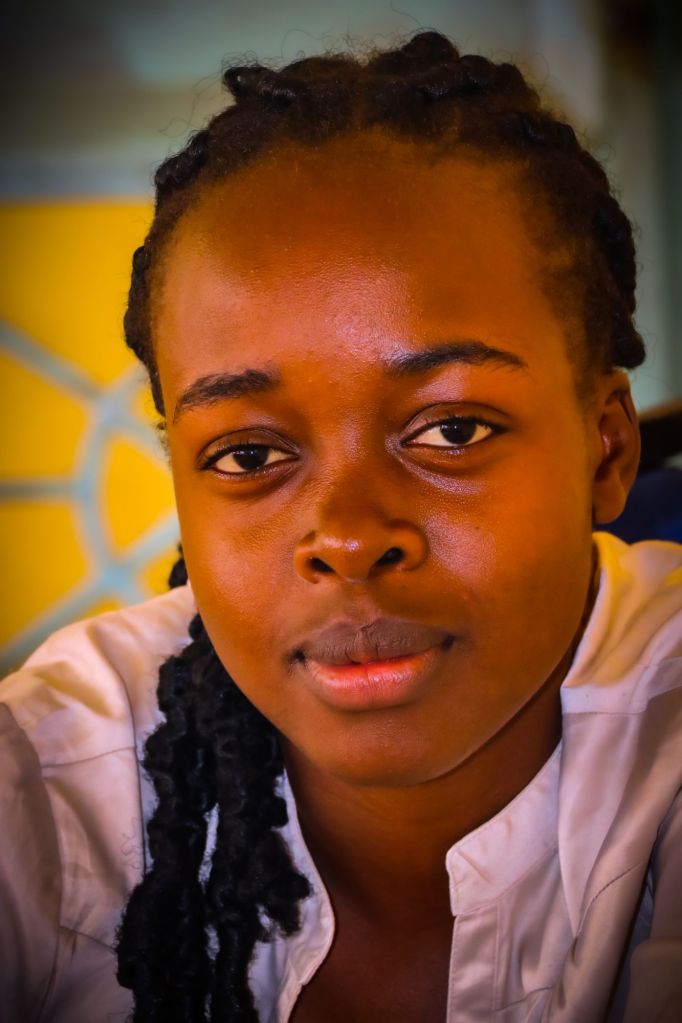
In the soft whisper of dawn’s first light, I see your silhouette, a graceful sight. A young African queen, in purest white attire, With dreadlocks flowing, you ignite my fire.
When I look into your eyes, deep pools of mystery, I find a world uncharted, brimming with history. Eyes that twinkle like stars in the night’s embrace, Holding galaxies within, a cosmic interlace.
Your gaze, a beacon in my storm-tossed life, Cuts through my turmoil, ending strife. Eyes that dance with joy, laugh with ease, In their reflection, my soul finds peace.
Your dreadlocks, a crown, so freely they cascade, Each strand, a story, in beauty arrayed. Like roots of the ancient Baobab, they stand, Grounding me, when I hold your hand.
When I look into your eyes, I see dreams anew, Visions of a future where I’m entwined with you. A journey together, through thick and thin, Our spirits connected, a flame within.
Your beauty, in simplicity, an artless charm, In your embrace, I find solace, a soothing balm. A young African woman, in a white shirt dressed, With you by my side, I am truly blessed.
When I look into your eyes, love’s tale unfolds, A bond as pure as the white of your clothes. With every glance, my affection deeply grows, In your eyes, the doorway to your soul brightly glows.
So here I stand, before you, my heart in hand, Asking you to share life’s journey, as we had planned. Through your eyes, I’ve seen love’s true guise, Forever mesmerizing, when I look into your eyes.
In the gentle embrace of nature’s vast expanse,
Atop a hill where serenity takes its stance,
Two souls find a moment, tranquil and rare,
Where silence speaks volumes in the crisp, cool air.
They sit, not just close, but together entwined,
Two hearts in a moment, leaving the world behind.
Eyes locked, exchanging whispers without sound,
In their gaze, a universe of love is found.
Upon this hill where earth meets sky,
They find a love that doesn’t question why,
Where breezes hum the melody of affection,
And time holds its breath in quiet reflection.
Their shadows merge in the sunset’s glow,
A perfect symphony, tender and slow.
No words are needed where souls can roam,
In each other’s eyes, they find their home.
Beneath the blanket of the universe so vast,
They sit, knowing this moment may not last.
But love, in its essence, transcends time and space,
In the heart’s quiet corner, it finds its place.
As stars awaken to the night’s gentle call,
They remain, unshaken, enthralled.
For atop this hill, a love was born,
In silent whispers, hearts were sworn.
To love, to cherish, in times of strife,
To hold each other, throughout life.
On this hill, they found what many seek,
A love so profound, no words could speak.
So, here’s to the lovers, on hills far and wide,
Who find in each other, a world to reside.
May your love be as vast as the view before you,
Endless and deep, in everything you do.
This poem, woven from threads of affection and time,
Echoes the love that in silence, does chime.
For atop that hill, under the sky so grand,
Two people sat, together, hand in hand.
Kenya, officially known as the Republic of Kenya, is a country located in East Africa. It is bordered by Tanzania to the south, Uganda to the west, South Sudan to the northwest, Ethiopia to the north, Somalia to the northeast, and the Indian Ocean to the southeast.
Nairobi, the capital and largest city of Kenya, is the economic, political, and cultural hub of the country. Kenya has a diverse population with more than 50 different ethnic groups, including the Kikuyu, Luo, Luhya, Kalenjin, and Maasai, among others. Swahili and English are the official languages, but there are many local languages spoken throughout the country.
Kenya is renowned for its breathtaking natural beauty and diverse wildlife. It is home to several national parks and reserves, including the Maasai Mara, Amboseli National Park, Tsavo National Park, and Lake Nakuru National Park. These protected areas provide habitats for a wide range of iconic animals such as lions, elephants, rhinos, leopards, giraffes, zebras, and countless bird species.
Tourism plays a significant role in Kenya’s economy, as visitors come from around the world to experience its wildlife safaris, stunning landscapes like the Great Rift Valley, and beautiful coastal areas such as Mombasa and Diani Beach. Additionally, Kenya is known for its athletic prowess, producing world-class runners who have excelled in long-distance running events.
Despite its natural beauty and tourism sector, Kenya faces various challenges. Poverty, unemployment, and income inequality remain significant concerns, particularly in rural areas. Access to education and healthcare is also a priority for the government to improve the overall well-being of its citizens.
Kenya has a developing economy, with agriculture being a key sector contributing to its GDP. The country exports tea, coffee, horticultural products, and recently has seen an increase in exports of cut flowers and avocados. Additionally, Kenya is exploring other sectors such as manufacturing, renewable energy, and technology as drivers of economic growth.
In recent years, Kenya has made progress in infrastructure development, with the construction of roads, railways, and the expansion of port facilities. These initiatives aim to enhance regional connectivity and facilitate trade within the country and with neighboring countries.
Kenya has a rich cultural heritage, and its traditional music, dance, and art reflect the diversity of its people. The Maasai people, known for their distinctive red attire and beaded jewelry, are among the well-known ethnic groups in Kenya, as are the Samburu, Turkana, and Kamba.
Overall, Kenya is a vibrant and diverse nation with a fascinating mix of natural wonders, cultural traditions, and a resilient population striving for a better future.
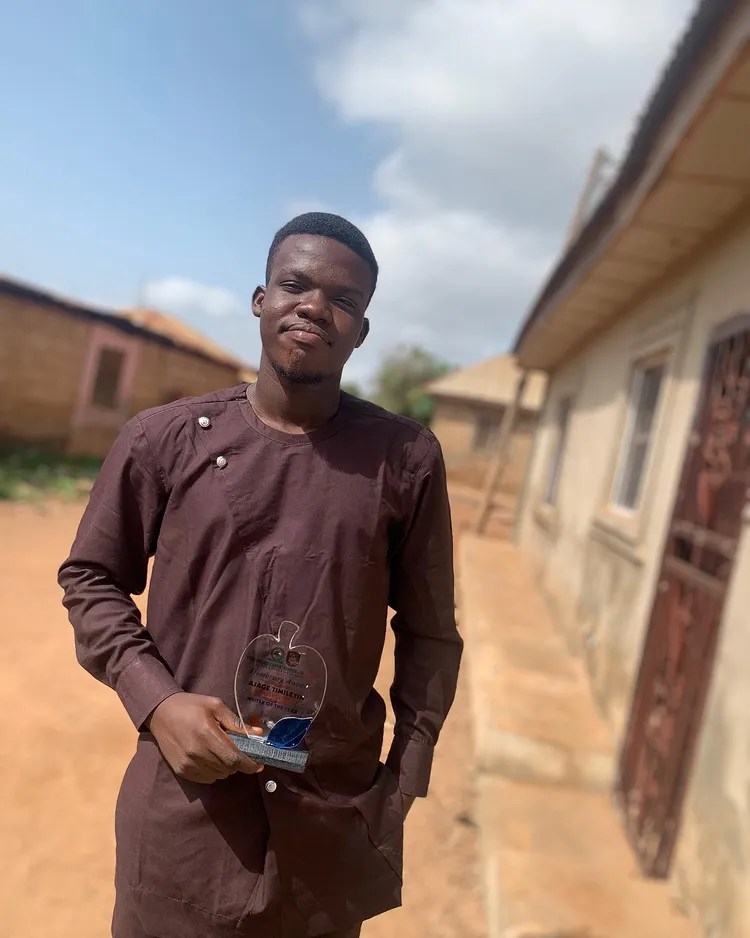
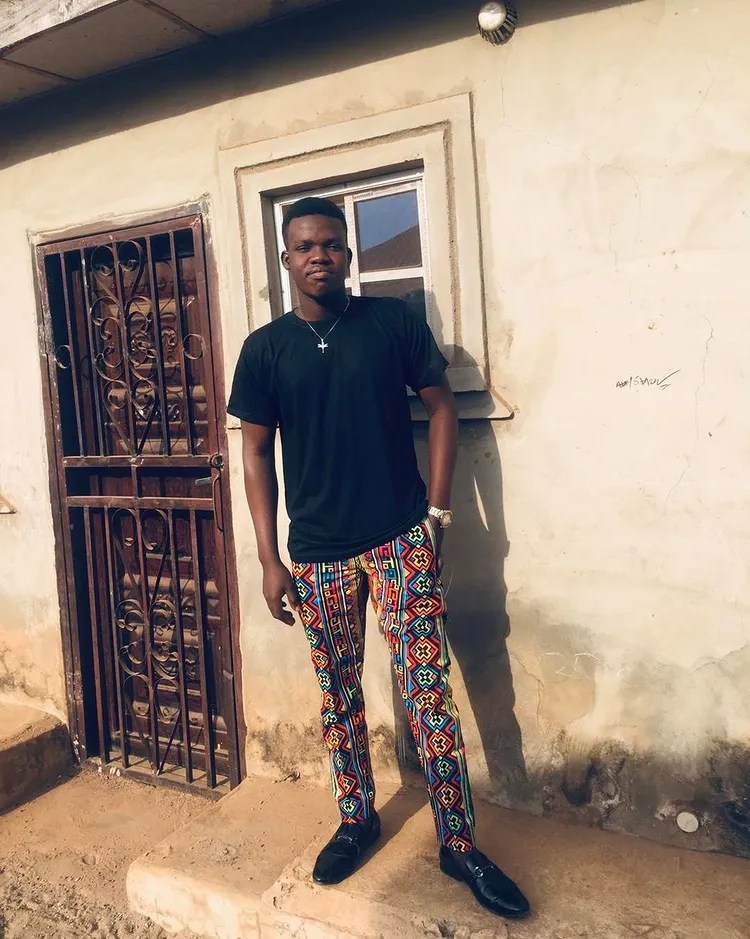
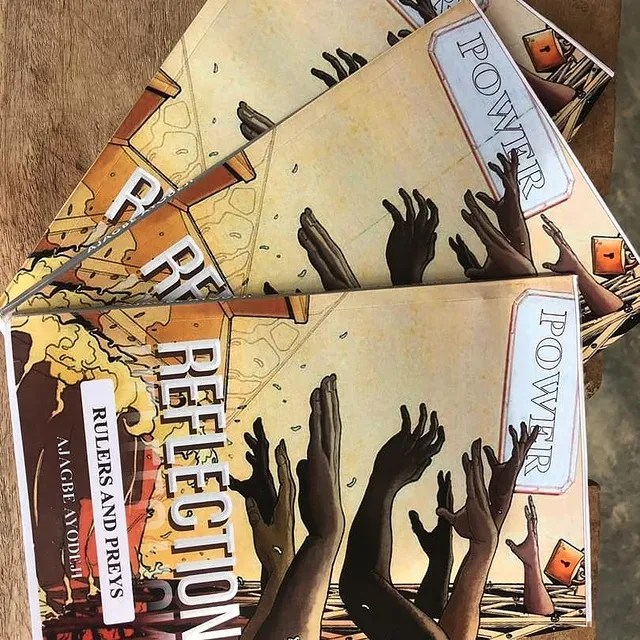
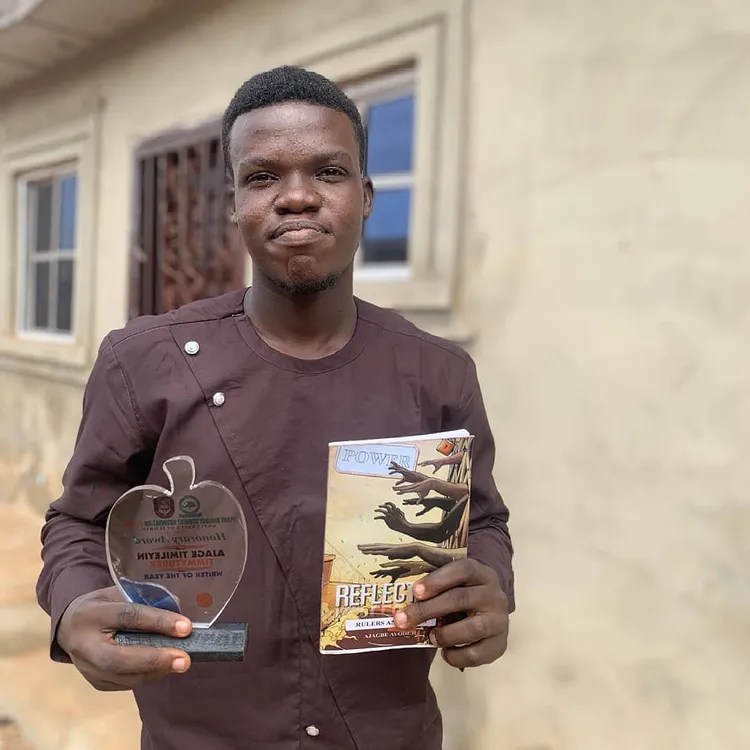
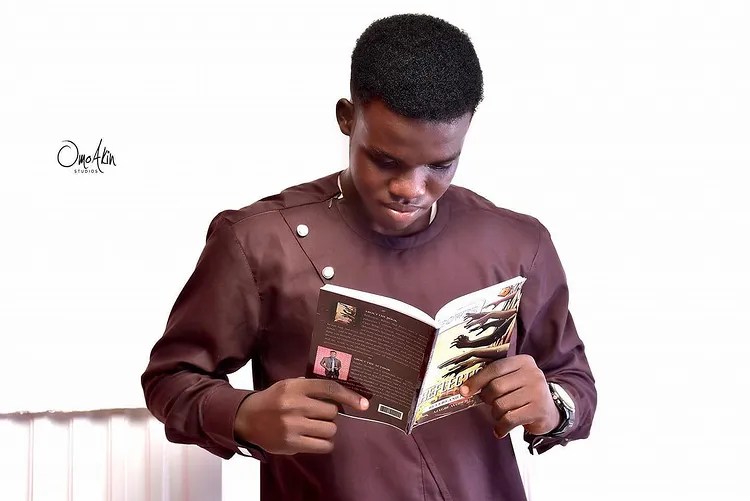
Inspired by A.H Mohammed, the author of “The Last Days at Forcados High School”, Ayodeji Ajagbe popularly known as Timmy Turner are an award-winning author, creative writer, and romance novelist. Born in Ibadan, Oyo State, Nigeria, he began his professional career in 2016 and he has written eight books since his debut as an author. His celebrated works include What Happened to Helen, Reflection: Rulers and Prey, High School Lovers, Sad Love Story, Meant To Be, Memories, and Reasons To Live.
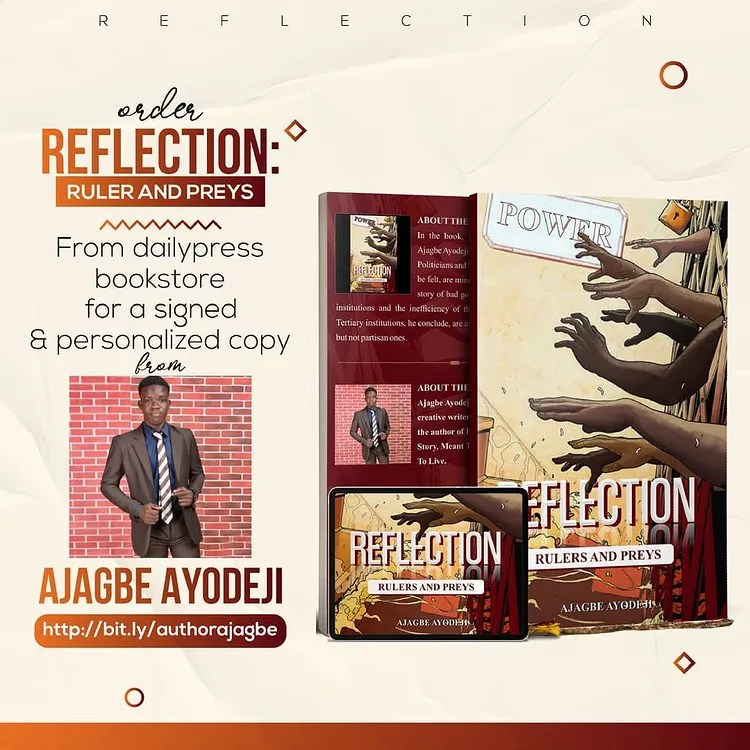
He’s also the founder of DailyPress Bookstore, an affiliate of DailyPress PLC. An online bookstore that helps people read books, stories, and research work for students and lecturers. His book Meant To Be has served as the foundation for many of his books.
Colin Luther Powell who was an American politician, statesman, and diplomat opined that a dream does not become reality through magic; it takes sweat, determination, and hard work. Here’s an exclusive interview with our young, and multi-talented author, who is burning the candle at both ends.9
1. As an award-winning author, how did your writing journey begin?
Coming to think about it, the start of my writing journey has to do with my introverted tendencies. As a kid, I hid behind the facade of this funny, humorous, crazy person but at the same time, I rarely felt comfortable enough to portray my real emotions or thoughts and not only because they were so different from people around me but also I had a better outlet.
That outlet is pouring my heart out through writing and do you know the best part, no one gets to judge you nor do you have to justify the way you feel.
And maybe I got into writing because I have always loved reading.
And if you are asking how I got into writing professionally, well let’s just say I don’t know how to do anything else.
2. Gaining publicity as a young youth with a positive impact on society is among what many people aspire for. What inspired you to become an author?
I have always loved the sound of the language. I think the music of the human voice is beautiful, and writing feels like a magic technology that can carry a voice across great distances, cultural divides, and generations. I get satisfaction from writing and I feel compelled to do it the way one feels compelled to shower and eat breakfast in the morning. Writing feels nice.
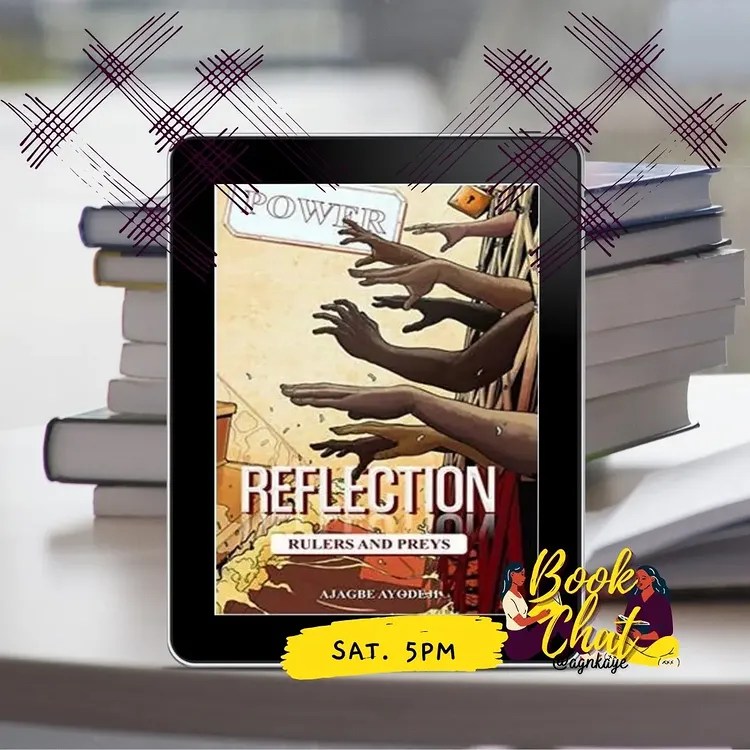
3. Afollow-up on all your socials gives two books a higher standing: “WHAT HAPPENED TO HELEN” and “REFLECTION; RULERS AND PREY”. Give a scope of both books.
For Reflection: Rulers and Preys, I let my readers explore the challenges of student politics in the world of 24-hour news and social media as well as the conflict between political ambition and staying true to who you are.
The main character, Comrade Oluwatimileyin Turner, Chief Whip, is a cynical, manipulative politician determined to become President. He is willing to use every secret he knows, every pressure point he can find, and every dirty trick in the book to secure his rise to power—and in the process confirms just about every dark and terrible thing you thought you knew about politics.
I wrote about my extensive real-life experience in student politics for the book, and the result is an electrifying vision of how exceedingly violent governing can be behind closed doors.
What Happened to Helen, there are many stories in the world, but only a few are heard. So I wrote a book to be the voice of all those stories. What Happened To Helen is a book of anecdotes published as a work of fiction. It includes the stories of love, pain, and betrayal. Every one of us has different stories in our lives but most of them are unheard, unspoken, or ignored. So I wrote What Happened To Helen to introduce the lives of common people and their untold stories. We all are somewhere broken inside and lost in darkness, but it is our willpower and the hope of a better tomorrow that gives us the strength to fight that darkness and makes our life beautiful. What Happened To Helen is not just my book, it’s the book of millions of people who live with hope.
4. What was the inspiration behind the two books and others that you write?
My first book, Reflection: Rulers and Preys, was born during the lockdown in 2020.
Over the years, I enjoyed writing articles and short stories. Publishing them on Facebook and Wattpad was a thrill. Yet I did not have the skills and confidence to write a whole fully fledged novel. The task appeared daunting.
Finally, one fine day in 2020, I decided I better try writing a novel. The plot was swimming around in my head. I knew I had to write that book. A flimsy, lean book was no answer for this big burst of energy.
I honestly did not know at the time I could write a full book.
It happened in Ibadan, Oyo state during the ASUU strike. After several hours of talks with Kehinde Irhodia, I settled on a bench overlooking the sky-blue canvas before me and dreamed up how this bristling story would unravel.
Those days, I was filled with awe. Imagine holding a printed book in your hand. Imagine readers lining up to get your autograph. Imagine traveling all over the world and lecturing about my book. Imagine fame and fortune.
Nothing happened that way. It was a slog. Paragraph by paragraph I grappled with the story and the writing schedule. The plots thickened.
After five months, the book was ready. All 50,000 words in a row and I was feeling the pressure of publishing now.
5. You have been a full-time Vice Chairman of the National Association of Writers, Kwara Estate. How has been the experience, and mostly, the role played in such a position?
I thoroughly enjoyed working with different writers in Kwara State’s writing community as the Vice Chairman for the past year.
As the Vice Chairman, I was responsible for the coordination of the activities of the Association. I presided at general or executive meetings and act as The Chairman, in the absence of the Chairman or when the Chairman is unable to act in that role. I also acted as the official spokesperson in conjunction with the Chairman.
It is true to say that nothing under the sun is swift but with effort and commitment, everything is possible. What have been the ups and downs of your writing career/ challenges?
As a published author, when I post on social media, I typically share my positive news. Sometimes it feels weird like I’m bragging. But many of my social media followers who are not writers may not understand that I need to share the good news because there is so much in publishing that is disheartening: the rejection, the lack of control over traditionally published authors, and the waiting. There is so much behind the negative scenes, that my psyche must share any good news with the world to tilt the scales. I’m teetering on a slippery slope.
Being an author has innumerable joys, but so many disappointments as well. Contracts that never materialized, non-responding editors, lack of sales, less than perfect reviews, and the years it can take from manuscript to published book.
5. Book marketing requires specialist skills that many authors haven’t had the chance to develop. What marketing strategies do you usually employ when promoting your books? And has your marketing journey been enjoyable?
Difficulty varies by individual ability. There are a lot of people writing nowadays, in the days of self-publishing, that would have been weeded out by the old, traditional methods of attracting interest in a manuscript by being skilled.
But the real difficulty as time goes on is selling books.
People don’t read like they used to. Even the movie industry is suffering because high-quality authors are finding it difficult to sell enough to call their efforts financially worthwhile.
Between the glut of terrible writing and the lack of readers, authorship must necessarily become an exercise in masochism.
My marketing journey has been enjoyable. Thanks to the social media marketing courses I took back then. I pay for sponsors on Facebook and Instagram and they give my book a mind-blowing reach and audience. Scribd also advertises my books on Google quite often, and I’ve been able to get more sales from those advertisements.
6. How much does it take to be a renowned writer?
Good heavens, if I knew the answer to that, I’d have Steven King’s fame and fortune.
7. some ambitious readers and readers would wish to have a hold of your written copies. Where can we find your books?
My books are available in major bookstores worldwide. You can get a copy from wherever you are.
8. What would be your word of advice to upcoming and aspiring writers?
Research publishing and how book selling works. Most authors are clueless about this and end up having unrealistic expectations. Learn everything you can about this, then move on to learning about the genre your books are in. Learn about what readers expect to see on covers, what they expect from storylines, etc. Go back to your books and see if they meet the criteria you’ve discovered.
Have your books been professionally edited? If not, then this should be your next step. No book should be published without being professionally edited — this does not mean you have the English teacher down the street read through the manuscripts. You need to hire a professional who understands what is expected from the genre you’re writing for.
While the editor is toiling away, you need to research how book marketing works and then make a business and marketing plan based on what you’ve learned. Being an author, especially a self-published one, also means you’re a businessperson. You must treat your book(s) like a business or you’ll never get anywhere.
When creating your marketing plan, be as specific as possible so that you will have a step-by-step plan set in place. It’s easy to get lost in all the marketing possibilities out there, so you need a definite plan to keep you on track. You should also establish a budget — free marketing options only take you so far.
Next, research how social media works and set up accounts for you as an author (do not just use your accounts -that’s unprofessional and none of your readers want to know what Timmy Turner did on Sunday!).
When the first round of edits has come back to you, and you’re sure of the direction the book is taking, you can start looking for a cover designer and/or illustrator. Again, you need a professional so your book covers don’t look like they were made by a kindergartner.
I could go on and on, but you get the idea. Educate yourself about every step involved in the process and then when you’ve got everything done and published, then constantly and consistently market your little butt off!
9. Your hobbies?
I enjoy listening to music, I like reading and I love evening walks.
Believe it or not, there is a science of writing articles that will keep your readers engaged until the very end. It’s not difficult, but there are a few things you can do to make sure your writing is as effective as possible.In this post, we’ll share some tips on how to write an article that will keep your readers hooked.
Follow these guidelines and you’ll be churning out engaging content in no time!
When writing an article, the most important thing is to grab your reader’s attention right from the start. One way to do this is with a catchy title.
Think about what your readers want to know and what will interest them. Then, create a headline that will entice them to read more. Make sure you keep it relevant to the topic of your article. A good headline will help engage your readers and get them interested in learning more about what you have to say. Write a big plus that attracts readers. You’ve heard it before: you only have a few seconds to make a good impression. The same goes for articles. If you want readers to stick around, you need to start strong. So how do you write a lead that will engage readers? It’s about grabbing their attention and making them want to read more. You can do this by using a strong statement, a provocative question, or an interesting fact. Whatever you choose, make sure it’s relevant to your topic and grabs the attention of your readers.
One of the best ways to engage your readers is to use short paragraphs and sentences. This not only makes your article easier to read, it also helps you pack a lot of information into a small space. When writing, try to focus on one main point per paragraph and use clear, concise language. This will help you keep your readers attention and make sure they don’t get lost along the way.
When writing an article, it’s important to keep your audience in mind. You have to think about what they want to know and what will interest them.
It is also vital to stay true to your voice and style. Don’t try to write like someone else and don’t use terminology your readers won’t understand. Be yourself and let your personality shine through. The best way to connect with your readers is to be genuine and helpful. Don’t be afraid to show your human side – after all, we’re just people trying to figure things out.
When it comes to writing, the use of strong verbs is the key. They help paint a clear picture in the reader’s mind and make your writing more engaging. For example, if you talk about someone going for a run, you might say “she sprinted to the finish”. This phrase is more engaging than “she ran to the finish”.When writing, try to use action verbs as much as possible. They will help keep your readers interested in what you have to say.
Engage the five senses.
A great way to engage your readers is to appeal to their five senses. When you can get them to photograph and hear what you’re writing about, they’ll be more likely to stay there until the end. Start by describing what the reader is seeing. Paint a picture with your words and help them visualize the scene in front of them. Next, describe what the reader feels. Use adjectives to create the sense of touch, smell and sound. Finally, provide a conclusion that ties everything together and leave the reader with a takeaway message. If you are stuck, try to come up with a list of sensory words that you can use as inspiration. Some examples are: visual, auditory, gustatory, olfactory and tactile.
Write from the heart. When you write from the heart, your passion for the topic will shine and engage your readers. Make it interesting.
When your readers finish reading your article, they should feel like they’ve learned something new and interesting. Be clear and concise. Don’t stuff your article with lint just to make it long enough. Keep your points clear and concise so your readers can understand them. Be specific. Check your facts and make sure your information is correct before posting it.
Be conversational, yet avoid trite, filler language. Use phrasing that is memorable and helps create a picture in the reader’s mind. Provide meaningful insights and perspectives in an article that increase the value of the article and the likelihood of its pick-up by media. Opinion is fine, but hype is counterproductive.
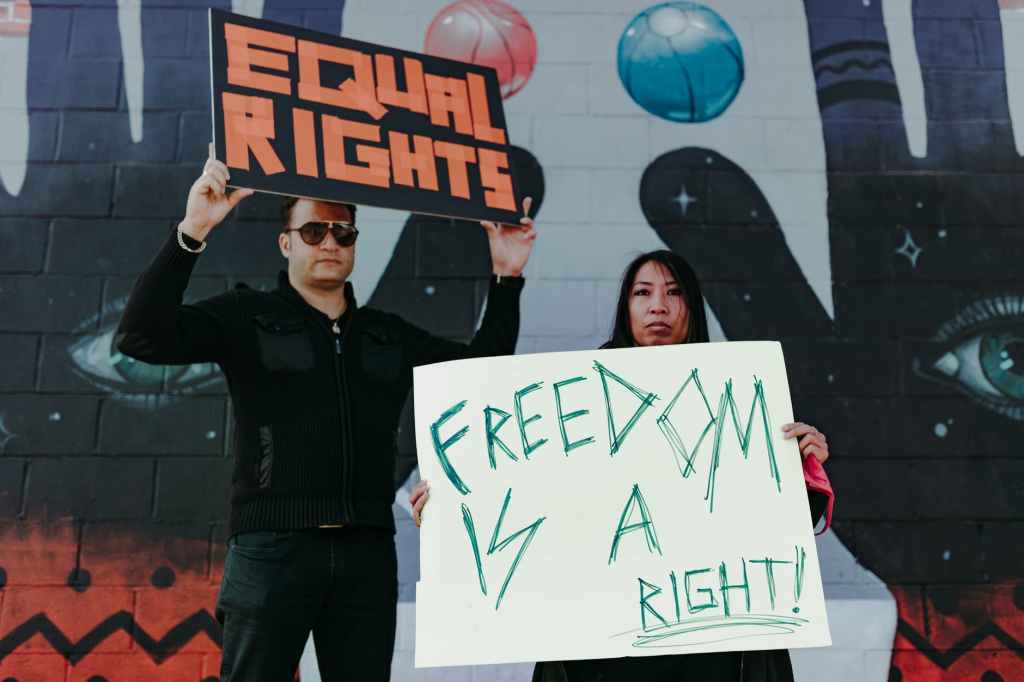
As much as people nowadays are advocating for the empowerment of the girl child, I believe we should also advocate similarly for the boy child. Gender equity is paramount. No gender is more superior than the other. Both women and men should acquire equal chances in the current society, be it workplaces or rank in positions. A lady can still work in a firm or organization where it is perceived that only men accomplish the tasks. This is listed among the women rights and freedoms act.
Pexels
The existence of these rights have placed women a higher notch in society and their effort is now recognizable. This was after the still ongoing campaign for the empowerment of women. Gender equality involves advocacy and amplification to gain the full participation from all members of society. Since society has all-eyes on the girl child due to many reported cases of neglect, the boy child is slowly getting forgotten. Forgotten in that, no one is getting concerned on why most gents are indulging in drug and substance abuse. Statistical data also shows that most depression and mental health issues are mainly affecting the male gender. The bigger question becomes, why?
Pexels
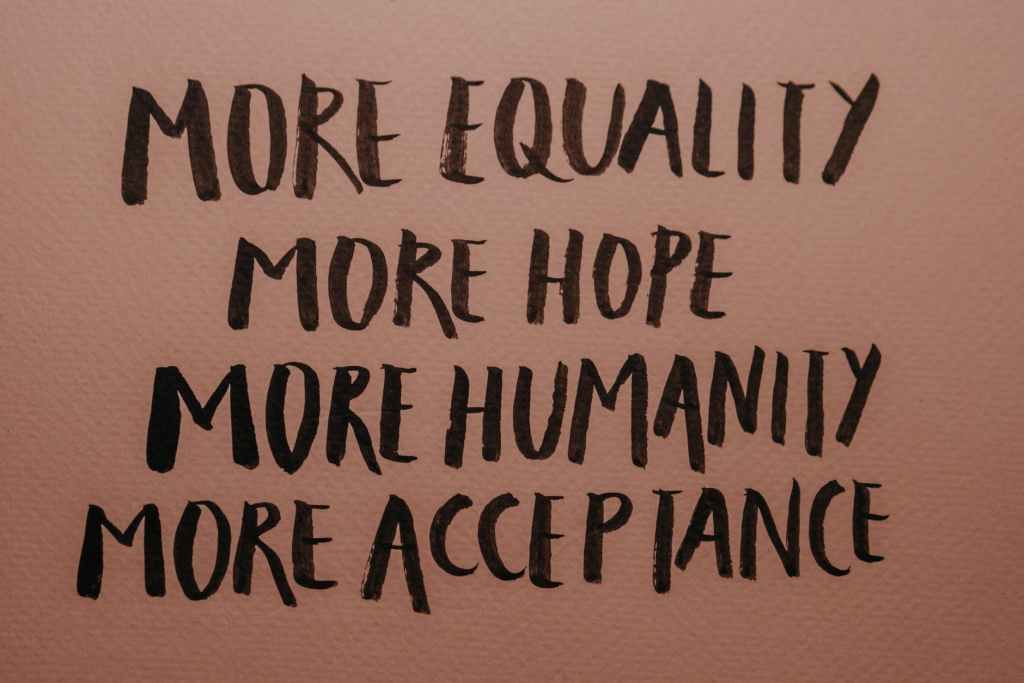
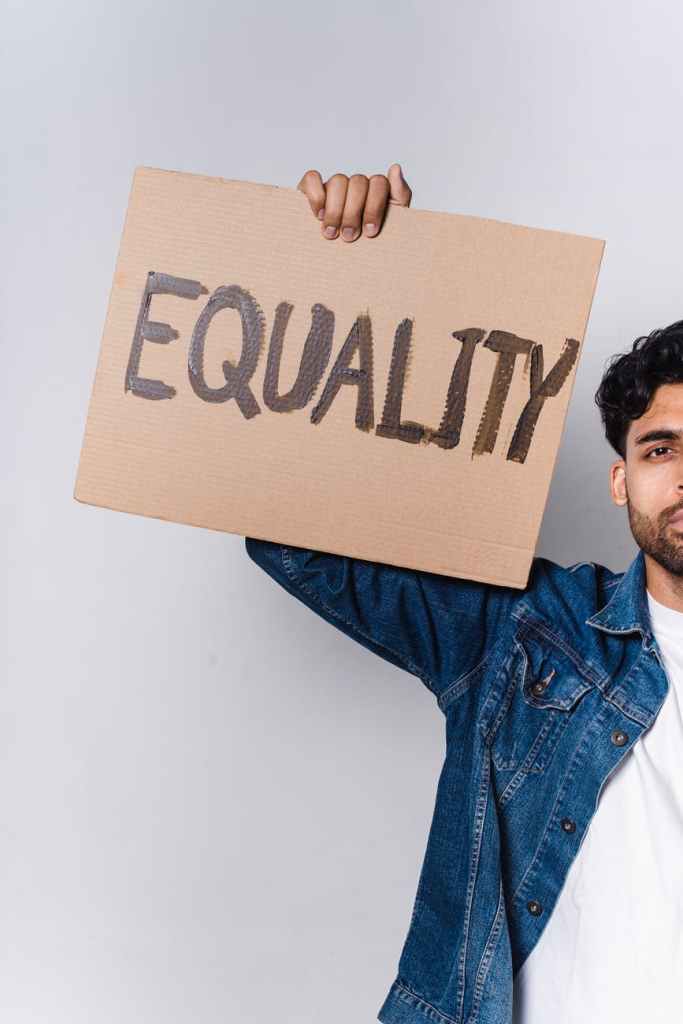
Ladies are acquiring high ranks in the offices while men are being left out due to low qualifications. It is the high time we advocate for equal gender rights. None is more superior than the other. Having empowered the girl child to levels considered equal or even higher to that of the boy child, it is time now that the society promotes both genders for them to join the same lead of empowerment. Gender equality is achieved when women, men, girls and boys have equal rights, conditions and opportunities, and the power to shape their own lives and contribute to the development of society. It is a matter of equitable distribution of power, influence and resources in society.
Pexels
Society plays a great role in this. Having promoted both genders, the society will get revived and everything will run smoothly without fear that any of the genders is neglected. Gender equality advocates for impartiality and fairness contrary to gender inequality where everyone is affected be it women, men, trans and gender diverse people, children and families. It impacts people of all ages and backgrounds.
Since time immemorial, possessing the virtue of self discipline has been greatly spurred on. The virtue has been instilled by motivational talks to the young at their early age.
Pexels
Discipline is an enforced compliance or control. It aims at the removal of bad habits and the substitution of good ones, especially those of order and obedience.
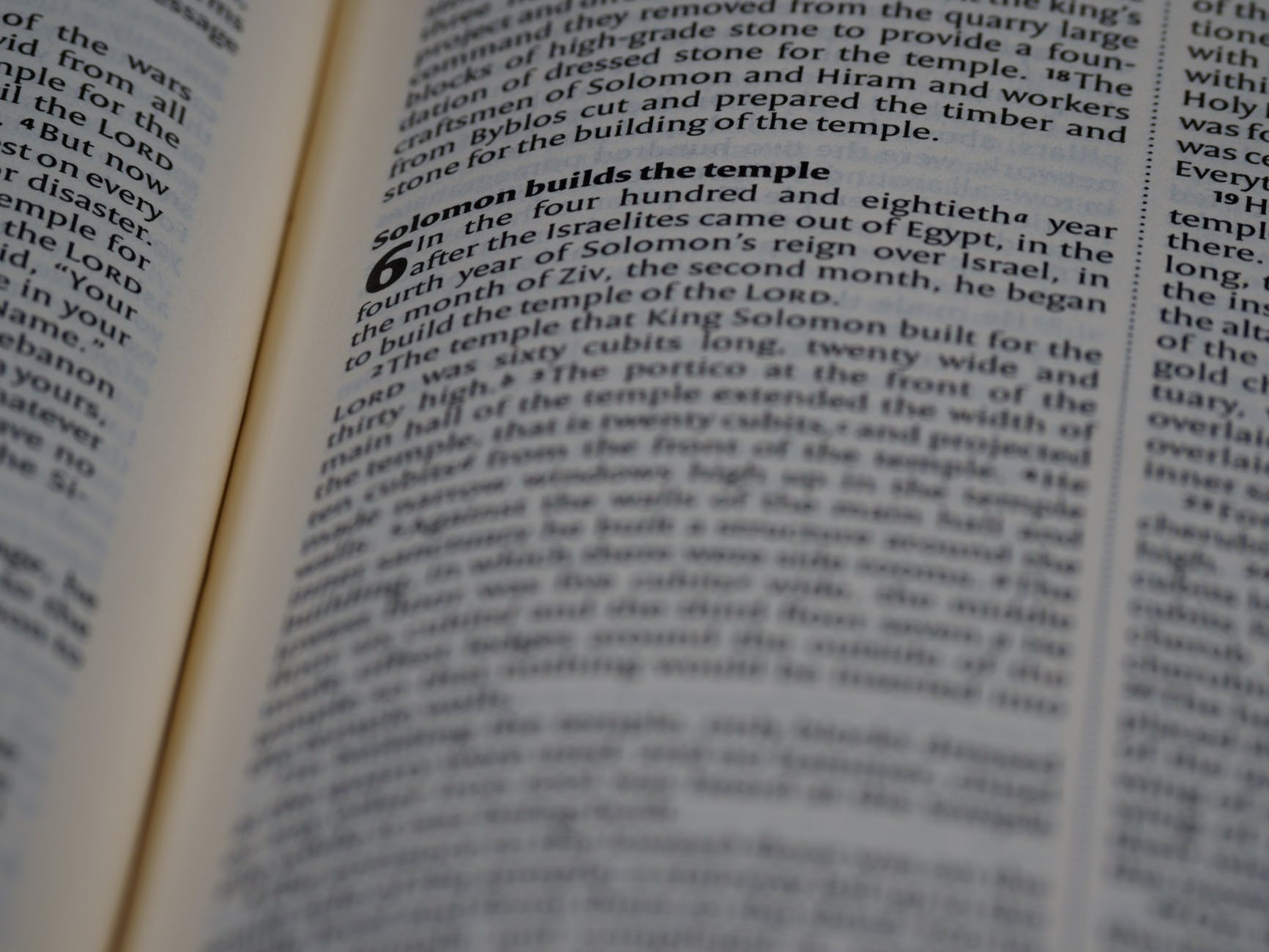
The scripture also strongly recommends one to be disciplined, (NEW INTERNATIONAL VERSION), Hebrews 12.7- ” Endure hardship as discipline; God is treating you as His children. Why are children not disciplined by their father?”
Pexels
Mental discipline entwines intellectual processes relating to the mind with a state of order based on submission to authority.
Quoting the greatly renowned Patrick Loch Otieno Lumumba “No matter how educated and rich you are, if you do not have the gift of discipline; you’re a danger to society.” The Kenyan lawyer impels on having good mental discipline in order to fit in the society as a good citizen. Mental discipline refers to how disciplined you are to consistently engage in the kind of mental practices that get you to where you want.
Pexels
” Mental discipline is not about motivating yourself excitedly once a month about what you are optimistic to do. It is about making daily committed decisions as to what you are going to pay attention to and how you are going to think.”
Author Joe Mwangi
Aspects of mental discipline
There are two aspects of mental discipline: what we put in and what we do or think. If you crave for being more mentally strong, it is a good idea to open yourself to a mixture of information. Mental discipline is not about motivating yourself excitedly once a month about what you are optimistic to do.
Pexels
It is about making daily committed decisions as to what you are going to pay attention to and how you are going to think. It’s a committed effort to keep using what you learn, to maintain a healthy attitude and build the kind of emotions that serve you well.
Ways to improve your mental discipline
Countdown, then take action. This helps you shift into the right mental space you get motivated.
Put your goal where you can see them everyday.
Remind yourself why you started and keep the end- goal in mind.
set small goals first. Try not to overwhelm yourself by setting the bar too high.
Practice prioritizing the tasks that are worth dedicating more effort.
Know your weaknesses then proactively combat them.
Get friends to hold you accountable. You are less likely to cheat on your goals if someone you admire is watching.
Pexels
” The ability to discipline yourself to delay gratification in the short term in order to enjoy greater rewards in the long term is the indispensable prerequisite for success.” Brian Tracy.
Like discarded pages From the book of autumn, the leaves Come trembling down in red and umber, Each poem or story, an unread letter. Think of the fires in ancient Nairobi, The voluminous smoke of parchment burning. Open your arms to the dying colours, to the fragile beauties of December. Deep in the heart of buried acorns, nothing is lost.
Consistency at work involves producing the same standard of work throughout a long period of time. Consistency affects the quality of work that you develop, the speed at which you produce work, your attendance and your communication with others in your workplace.
Pexels
Being consistent at work involves maintaining the same standards and behaviors that lead to producing a high quality of work. Employees may improve their consistency by practicing time management, setting production goals and identifying areas of improvement within their work ethic. Learning how to practice consistency at work may boost your productivity and help you receive positive feedback from management. In this article, we discuss what it means to be consistent at work and provide ways to improve your workplace consistency.
Pexels
Why is consistency at work important?
It’s important to remain consistent at work in order to:
Produce high-quality work:
By maintaining consistency in the workplace, you can ensure that you produce high-quality work. Consistency minimizes the chance of your work quality decreasing.
Pexlels
Provide order in the workplace:
If a workplace has several employees that provide consistency, it allows that workplace to maintain proper order, which can help management better determine performance measurements and analyze accurate project estimations.
Meet client expectations:
Create sustainable habits:
Clients may have a better understanding of the standard of work they may receive from an organization if staff produces consistent work. For example, a client may see the same massage therapist that provides consistent work, since they have a better idea of the massage therapist’s standard techniques and massage processes.
Pexels
Consistent work may help staff at a company to create long-term habits, which can lower the chance of burnout. For example, employees may use positive time-management habits that help them produce the same amount of work each day, rather than increasing their workload, which may help them avoid feeling burnout.
Pexels
After learning and measuring the importance of consistency, it’s now time to tighten all the loose ends. Make consistency a habit in everything you do; it doesn’t matter who you are. The most successful people in life produce prolific results because that’s their own invented culture.
Comprehensive sexuality education enables young people to make informed decisions about their sexuality and health. It is taught over several years, introducing age-appropriate, scientifically accurate information consistent with the evolving capacities of young people. And it goes beyond information, to encourage confidence and improved communication skills. These programmes build life skills and increase responsible behaviours, and because they are based on human-rights principles, they help advance human rights, gender equality, and the empowerment of young people.
Pexels
We should support efforts by countries to deliver comprehensive sexuality education with a particular focus on ensuring that curricula meet international standards and on training educators who promote respect for gender equality and the rights of adolescents and youth to have control over matters related to their sexuality, including their sexual and reproductive health.
Pexels
Outside of schools, we should work with the established Youth Peer Education Network (Y-PEER) and utilizes innovative tactics – including websites and social media, theatre performances and celebrity spokespeople – to reach the young people most in need of information with quality facts and messages about sexual and reproductive health.
Numerous studies show that curricula providing accurate information about condoms and contraception can lead to reductions in the risky behaviors reported by young people, particularly when gender equality is integrated into the learning material. Young people who adopt egalitarian attitudes about gender roles have been found to be more likely to delay sexual initiation, use condoms, and practice contraception. They also have lower rates of STIs, including HIV, and unintended pregnancy, and they are less likely to be in violent relationships.
Pexels
By emphasizing rights and gender issues, comprehensive sexuality education programmes help reduce gender-based violence and bullying, promote safe schools, empower young people to advocate for their own rights, and advance gender equality.
Adolescents and youth have a right to education and skills-building as they experience physical and emotional maturation; begin relationships; and face decisions that will affect their lifelong physical and mental health and well-being. Yet research shows that the majority of adolescents lack the skills and knowledge required to make those decisions responsibly, leaving them vulnerable to coercion, sexually transmitted infections (STIs), and unintended pregnancy.

























 THE BLUESTAR INSIDER