Why is Generation Z resistant to becoming parents?

Photo by Lukas Rychvalsky on Pexels.com

Some weeks ago, The Associated Press (AP) published an article about Gen-Z and millennials’ reluctance on becoming parents where both cohorts cited reasons such as overwhelming student debts, climate crisis, and low salaries as some of the main reasons why they are not looking to have children.

Generation Z, colloquially known as zoomers, is the demographic group succeeding millennials and preceding generation Alpha. Researchers and popular media use the mid-to-late 1990s as starting birth years and the early 2010s as the ending birth years.
Photo by Sarah Chai on Pexels.com

Generation Z is the most popular with 18,378, 493 inhabitants representing 33.42 percent. Millennials are 12, 123, and 453 representing 22.05 percent.

Both generations make up 55.47 percent. 81.06 percent of Kenyans are aged 39 years and below. Birth rates and fertility have been steadily lessening for the last few years. Presently, people of childbearing ages, many of whom fall in this demographic — that is, millennials and gen-z are delaying childbearing thus showing reluctance in starting a family.

Kenya has not been spared either thus being put in line with the rest of the world where young women have delayed motherhood.

Photo by Janko Ferlic on Pexels.com

This is a worrying trend that has raised concerns for years now on why this up-and-coming generation including the Millenials, has shown reluctance in childbirth.

Notably, childbirth is a significant phase in the life of women of reproductive age which is always unpredictable and not well elucidated both theoretically and in the available literature.

Motherhood is often hyped as an experience that is bound to bring joy, fulfillment, and purpose to a woman’s life.

However, some Gen Z individuals deliberately choose not to start a family attributing they value their freedom and they are not ready to dedicate 18 or more years of their lives to taking care of children and others desire to take life on their terms and excel in their career supersedes the desire of becoming parents.
Photo by Ron Lach on Pexels.com

New data in the latest economic survey report shows that Kenya’s fertility rate has gone down, particularly in urban areas.

The total fertility rate for 2019 was 3.4 births which marks a drop of about one birth from 4.8 births in 2009. On lifetime fertility, the results revealed that the proportion of female teenagers aged 15-19 with no child had increased from 77pc in 2009 to 90pc in 2019.

At the same time, women aged 20-24 with no child increased since 2009 up from 35 pc in 2009 to 46 pc in 2019. According to the Associated Press, this trend can be attributed to several factors.

Chief among them is an expensive economy, which was riddled by the pandemic and lacks affordable childcare, coinciding with decades of progress for professional women as choosing to be child-free becomes less of a taboo.

Photo by Pixabay on Pexels.com

Many women in the world today also have so many opportunities, which has prompted them to seek other paths to fulfillment.

Women have more options than ever when it comes to how to spend their time, energy, and money. Worth noting, that the declining birthrate is about when having access to education and employment.

Empowerment and other life-sustaining opportunities have prompted them to postpone having children until their 30s or 40s.

Climate change is another factor. It adds more uncertainty, making gen-z and some millennials wary of bringing a child into an environment increasingly shaped by global warming.
Photo by Chelsi Peter on Pexels.com

Climate change has influenced their reproductive decisions. Uncertainty about the future is making zoomers worry about overpopulation and overconsumption.

In the country, for example, climate change has unceasingly impacted the lives of many people plus the environment. It has led to more frequent extreme weather events like droughts which last longer than usual, irregular and unpredictable rainfall, flooding, and increasing temperatures.

Others just aren’t interested in having kids, a sentiment that has become a lot more socially acceptable in recent years. Students in colleges and those who have recently graduated are overwhelmed by debts.
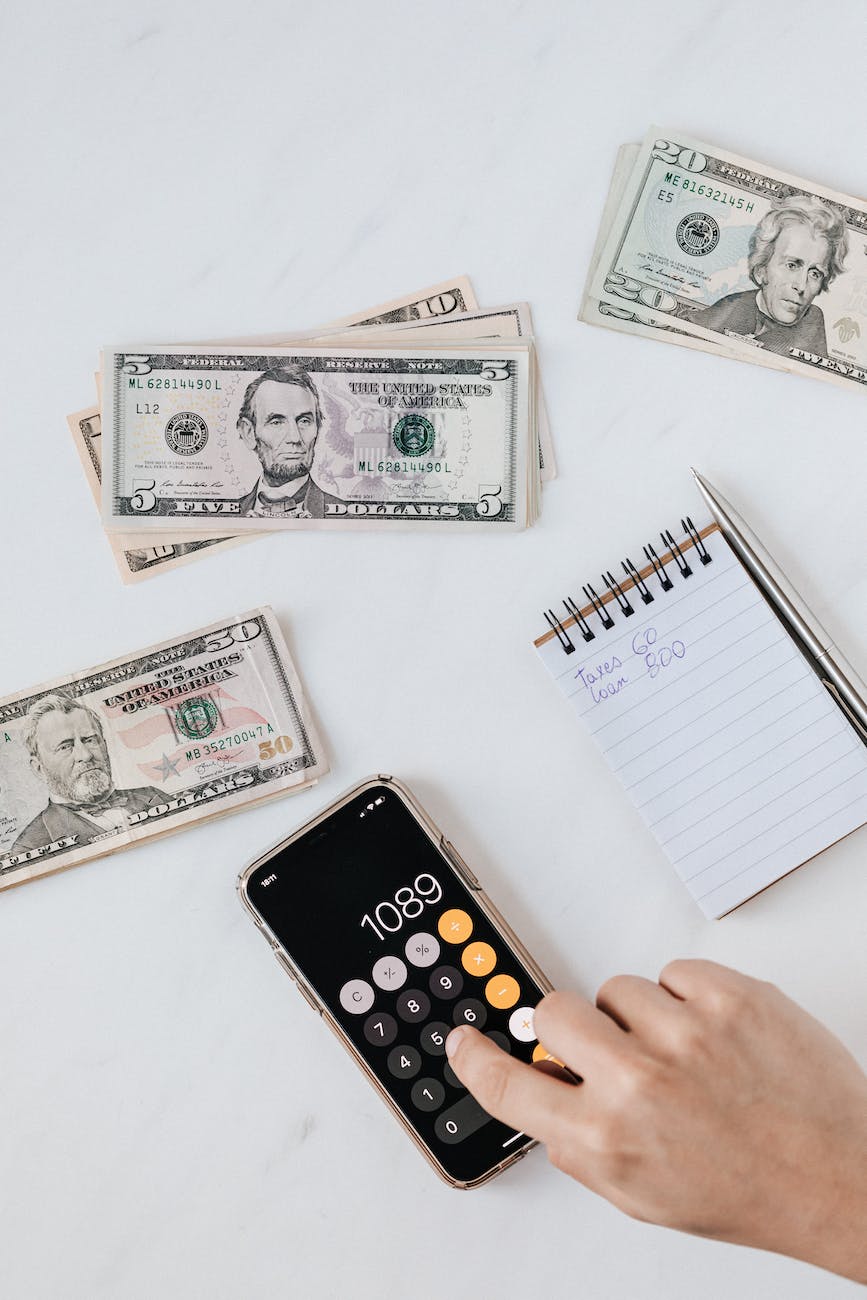
Photo by Karolina Grabowska on Pexels.com

They are focusing on how they will clear them. With over 13 million Kenyans blacklisted at Credit Reference Bureau (CRB) and huge HELB loans to repay, this trend shouldn’t come as a surprise to anyone.

Zoomers are facing immense pressure from their family members to start a family. What they fail to understand is that unwelcoming changes in the economy, overwhelming debts, changes in climate, and scarcity of gainful employment opportunities are the main reasons for their reluctance.

Many people today have not realized those are the factors that are making zoomers and some millennials reluctant in starting a family. They have argued that it is a personal choice attributed to many factors and their decisions should be given due respect.
Photo by cottonbro on Pexels.com

With the foregoing, it is clear that if these causes are addressed early, the fear, unwillingness, and reluctance will be lessened thus prompting them to change this mindset. As time goes by, we might witness an unprecedented increase in the birth rate in the country.

The blue star insider.

By; Jackson Ngari and Maxwell kamau.
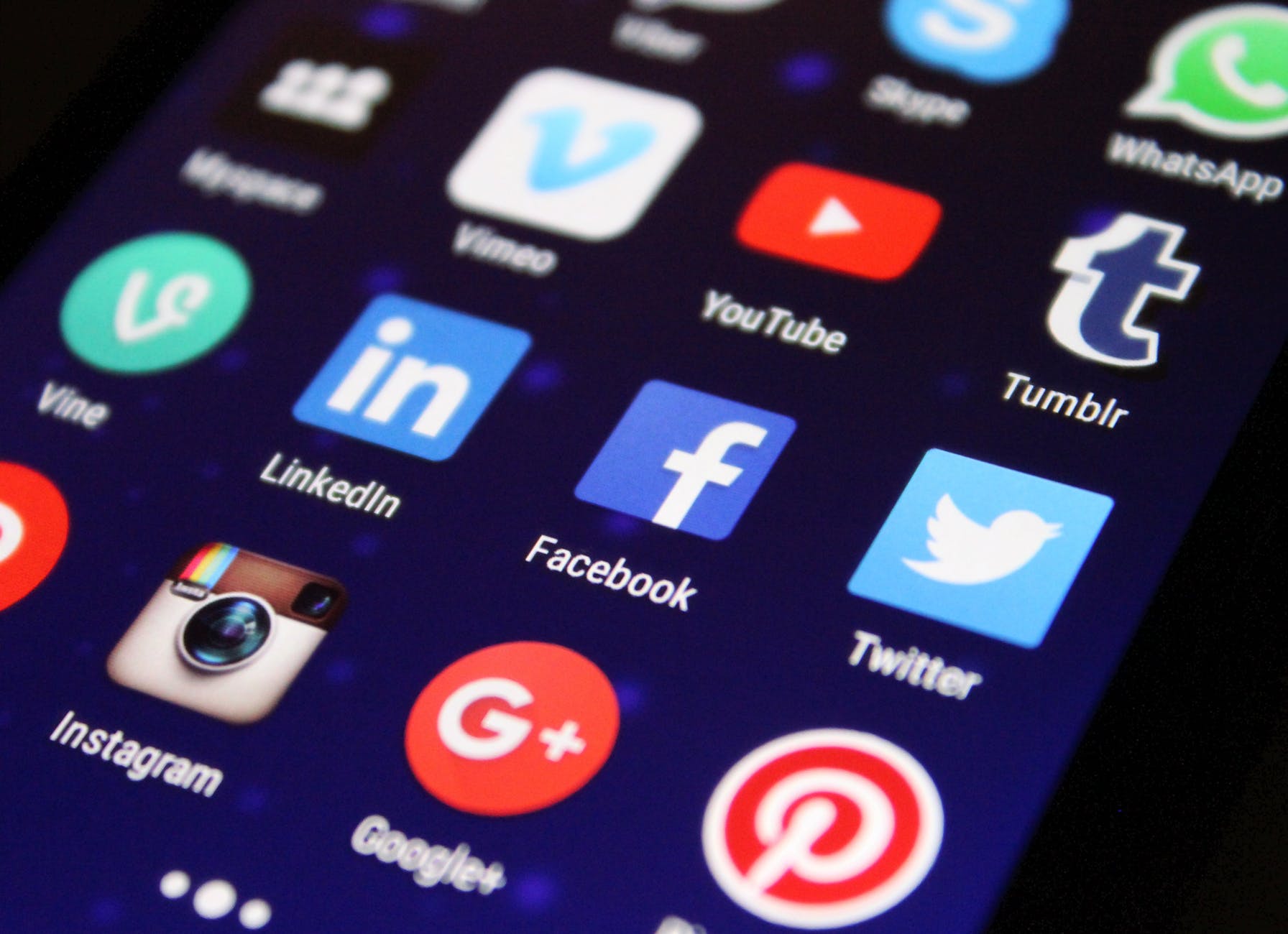
Social media and your mental health; why you need to watch out

Photo by Pixabay on Pexels.com

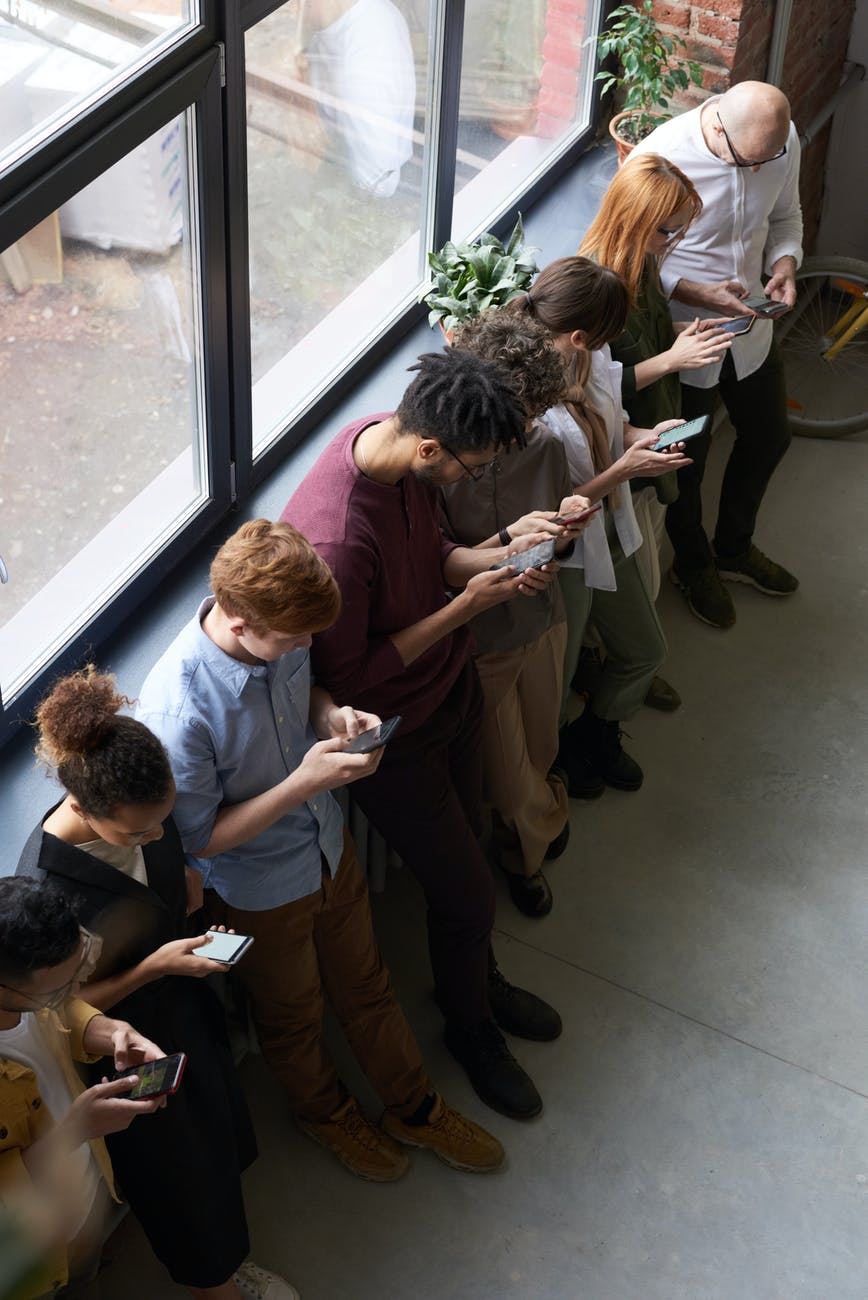
The rapid growth of social media as a new medium of communication has enhanced and promoted connectivity between communities, not only in Kenya but also in other parts of the world.

Online platforms like Instagram, Twitter, Snapchat, Facebook, TikTok, and others provide a virtual interactive environment where communities around the world can connect and share, get news and information and even meet new people every day.

This has even prompted the proliferation of new social media users every year. According to Kepios special report, the analysis reveals that social media users in Kenya increased by 750 thousand (+6.8 percent) between 2021 and 2022.

Photo by fauxels on Pexels.com

Just to mention, social media has been used to increase awareness of mental health because of its rapid use and growth globally. However, despite evidence of a growing trend in social media use in sub-Saharan Africa and particular Kenya, little has been reported or done on tapping the potential of social media within a mental health practice to not only increase awareness but also, how its users – be it adults or teenagers can help or prevent themselves from falling to the jaws of mental ill-health online whilst surfing through their social media platforms.

Photo by Madison Inouye on Pexels.com

For a decade, these popular social networking sites have presented to us so many benefits, the main one being enhanced connectivity that facilitates easier communication between communities. But despite all those positive ends, there have been downsides too; most victims being the college-aged young adults who have grown up in a world of screens.

Spending too much time engaging with social media can make you feel more lonely and isolated—and exacerbate mental health problems such as anxiety, depression, and suicidal thoughts.

Recent studies referenced by The Child Mind Institute and The National Center For Health Research suggest people who frequently use social media feel more depressed and less happy with life than those who spend more time on non-screen-related activities.

Notably, most active users of Twitter, Facebook, and TikTok usually pay more attention to the content they share. People post either videos or pictures of themselves to get more likes or comments (engagements) from their online friends. If they don’t get the feedback they desire, they feel disappointed or invalidated.

Photo by Inzmam Khan on Pexels.com

Worth noting, that comparing your posts to those other people who receive a lot of reactions from their online family can cause a feeling of disappointment, low self-esteem, a distraction from other tasks, and even feelings of anxiety or depression.

If one is exposed to such a life online and their real-life does not match those expectations, they are likely to lose their self-esteem and view themselves as losers; sinking into a state of worthlessness, helplessness, and desperation.

Photo by mikoto.raw Photographer on Pexels.com

For some years now, several studies have found a relationship between the use of social media and some mental disorders. Findings have even led to the suggestion that a new mental disorder is recognized and be given the name, Internet Addiction Disorder.

Exposure and excessive use of social media apps and websites have also led to cyberbullying which has dire consequences on our mental health. 10 percent of teens report being bullied on social media and many other users are subjected to scurrilous comments.

Photo by Ricardo Ortiz on Pexels.com

Social media platforms such as Twitter are hotspots for spreading hurtful rumors, tribalism, body shaming, lies, and abuse which damages our mental health by causing lasting emotional scars.

Unfortunately, it is impossible to notice and recognize a person suffering from any mental health condition just from their social media.

Other users experience the so-called “Fear of missing out” (FOMO). They keep on returning to social media every time. Many fear that they might miss either a conversation, discussion, latest news, gossip, or invitation. So to remain updated, social media remains the only option that can quench their thirst.

Photo by MART PRODUCTION on Pexels.com

Furthermore, social media addiction has resulted in the disruption of normal sleeping patterns. Lights from your phone can disrupt your sleep, which in turn can have a serious impact on your mental health.

There are an estimated 3.9 billion users of social media in the world today. Facebook, YouTube, and Instagram each claim more than two billion subscribers! Kenyans have not been left behind and an estimated nine million subscribe to various media platforms.

In conclusion, It is ironic that while social network platforms were meant to enhance relationships, on the contrary, overuse of these sites normally corrodes our interactions with others. Mental health today continues to manifest itself as one of the biggest challenges we face. Increasingly, social media is revealing more and more cases of people doing and saying questionable things.

Photo by Ola Dapo on Pexels.com

Conclusively, if those near you complain of neglect as you spend time on your gadgets, take note and do something about it before it is too late. Individually, it is advisable to make a habit of a self-regulation mechanism whereby one decides that they will only check their social media at certain given times during the day — and stick to the routine. Likewise, an individual can also see a therapist, who is capable of diagnosing any underlying psychological issues that might be making them spend hours searching for solace on social media.

By Maxwell Kamau and Jackson Ngari
Email address: maxwellkamau685@gmail.com

The Storm won’t last forever and a day; there is always that light at the end of the tunnel

As human beings, life as a habit usually presents to us the good, bad, and ugly sides. Nonetheless, it all depends on how we approach these formidable hurdles. At times, the challenges that life brings forth to us are too elephantine such that it pushes one to the verge of abandoning his or her dreams. It is in these tiring moments that a person is left with double bind druthers; to either drop like a hot potato or soldier on.

Noteworthy, it hugely depends on how bold or weak an individual is. All of us have different and unique storylines of how life has treated us. For instance, you may find that some people have the requisite in-built expertise to face different storms whilst others are not great when it comes to dealing with overwhelming storms. Irrespective of this, we must keep in mind that despite how wrenching certain circumstances are, at the end of every struggle, hope is guaranteed.

Maxwell’s Note: With regards to this, allow me to shed some light on how I managed to remain unshakable despite the twists and turns that life offered to me in my early high school olden days. During that time, my life was so destitute that my parents couldn’t even afford to raise my requisite fees, together with that of my other two siblings.

Life then was so unbearable that we occasionally slept hungrily, and missing my classes had become a shameful routine. We were in the jaws of poverty. Our lives had taken another dire dramatic twist and our life status, of course, was deplorable. Those ugly experiences made me become a worrywart. I was posting good grades, yes, but why was poverty massaging me like that?

My dreams were too important and even just a thought of letting them fade away, sent a trickling sensation down my throat but I recalled that life is a process, and every living soul must taste the sweet and sour part of every stage. It is battle after battle until we come out clean and as winning agents. Down on my knees, I forwarded my sincere prayers to God and asked Him for wisdom and strength to soldier on.

I was well aware that those temptations were ephemeral and no matter what challenge I was facing, I had to keep braving on. I dedicated my whole time and energy to books. Temporary barriers couldn’t deter me from making a milestone. Albeit, I was a young and feeble man, I had chosen the road to tread because I knew that in the end, my son was shining from there.

I struggled until I posted an excellent performance. Out of nowhere, a good Samaritan recognized my efforts and agreed to help me clear my fees balance so that I could access my form four certificates. Right now as I am typing this, I am currently at the University Pursuing my dream course.

Conclusively, just like S. L Jennings, the author of “Fear of Falling” said in her book, “…just remember, the storm doesn’t last forever. It can scare you; it can shake you to the core. But it never lasts. The rain subsides, the thunder dies, and the winds calm to a whisper. And that moment after the storm clouds pass, when all is silent and still, you find peace. Quiet, gentle peace.”

Lastly, till the cows come home, learn to toughen your inner self as you put your shoulders high since you never know what lies ahead.

By Maxwell Kamau & Jackson Ngari

The Bluestar Insider

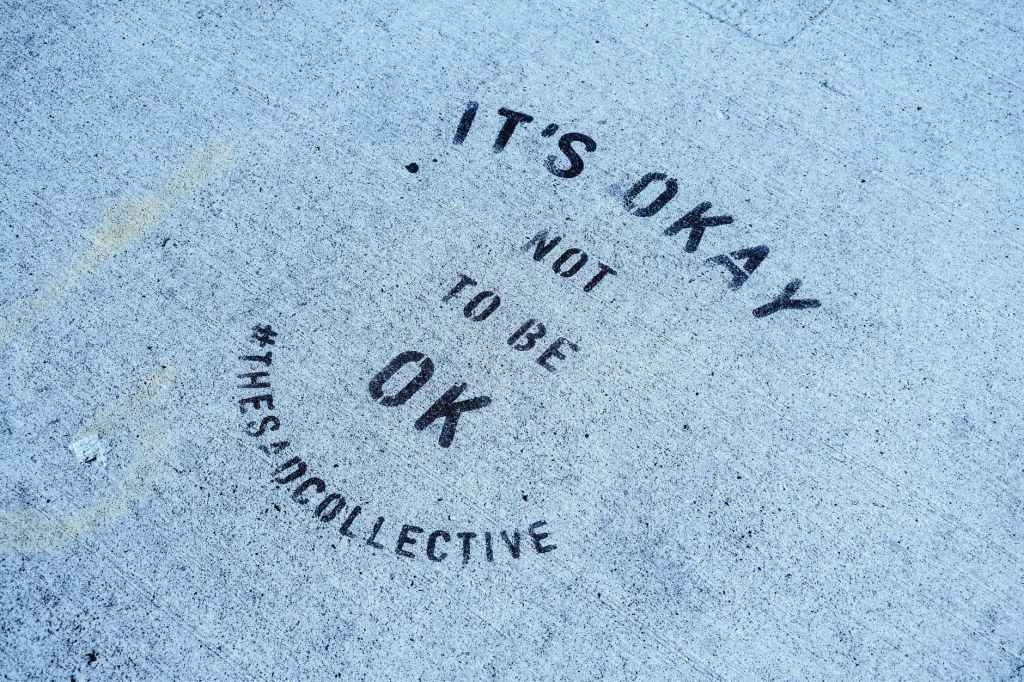
It’s Okay Not To Be Okay


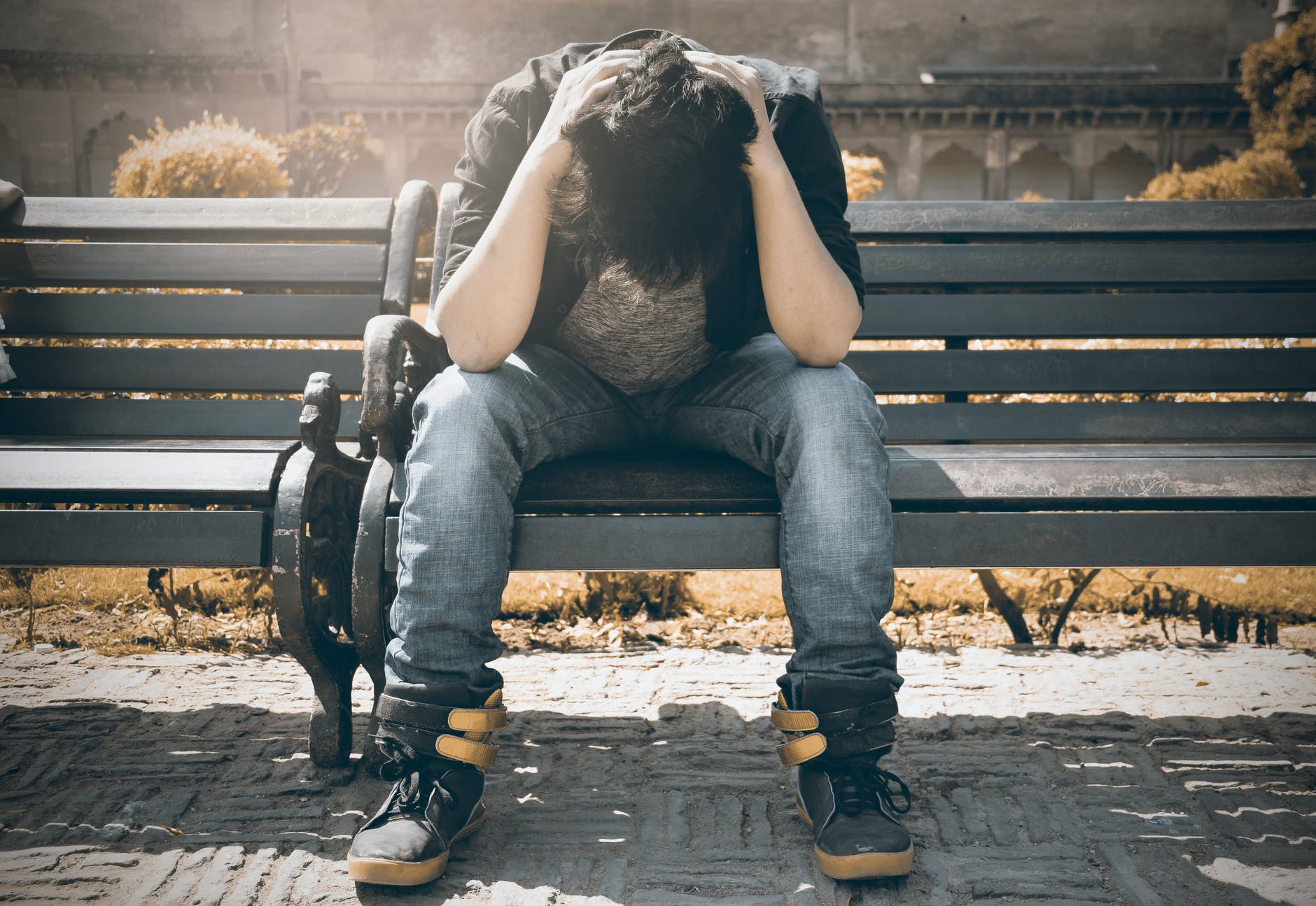
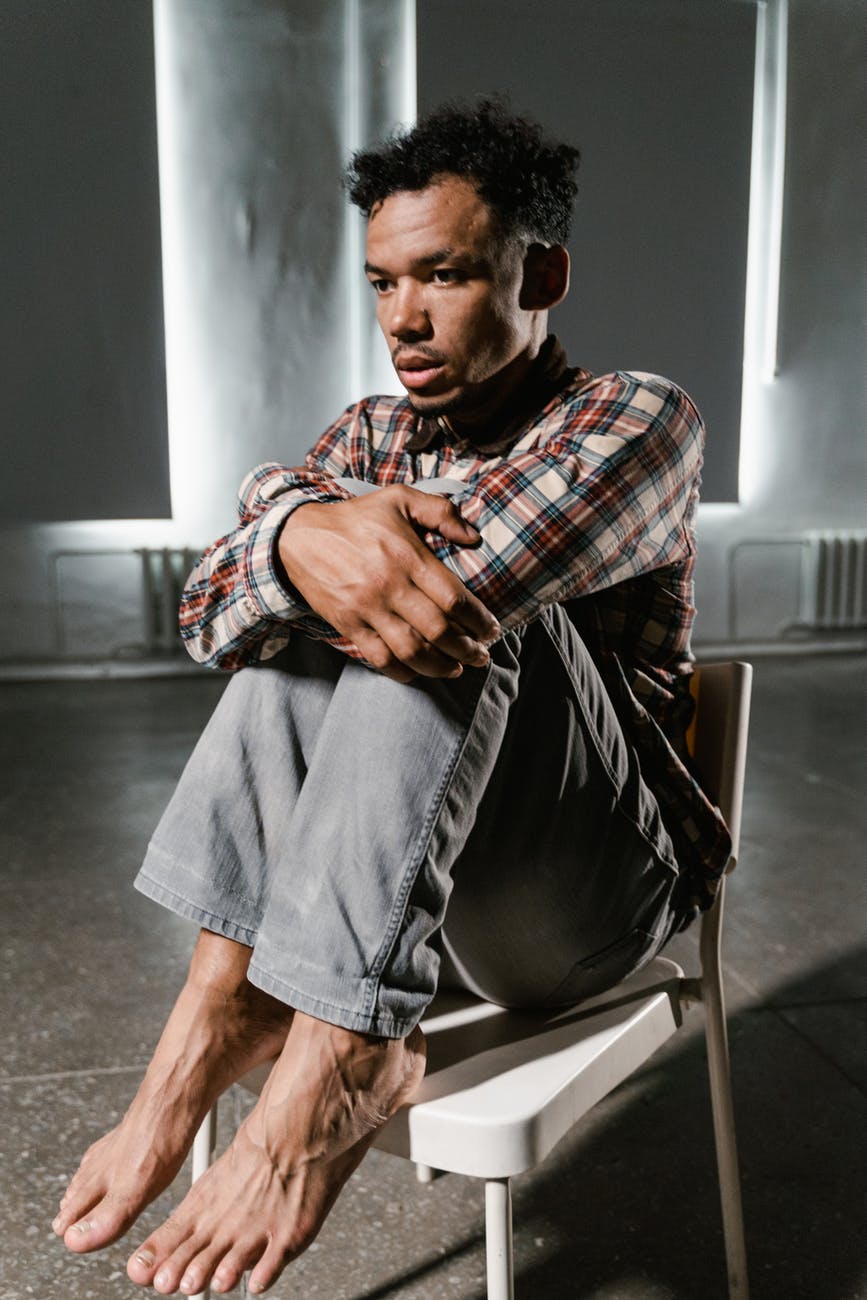
So many of my friends and other people I know are depressed and unhappy, yet they wouldn’t want to open up to anyone either because they want to go through their issues alone while bottling up thing’s, or because they just want to put it out there due to reasons best known to them.

Pexels

 So here’s me writing a letter to my depressed friends promising them that everything will be okay at the end of the day.

Dear depressed friend,

 Look, I know that right now, things seem chaotic. Your job isn’t your favorite, your anxiety is eating at you, and your bank account looks frightening. There’s a lot on your plate right now.

Pexels

Maybe that’s not exactly what you’re going through, but I’m pretty sure that you’ve been occupied with your hustles.  You’ve been dealing with a lot. Everyone has their own struggles, their own issues to work through, and sometimes things don’t turn out the way you want them to. We are all humans and humans are prone to errors.


Pexels

I know you don’t feel like doing much these days and even reading or viewing my status updates or Insta stories would be a great task for you but hold on for a few moments, will you? I promise I won’t ask you to get over it or tell you that it’s all in your head. I just wanted to say sorry for all the shallow things the world has told you and for all the times people have misunderstood you.


It’s okay, you know? It’s not your fault. You’re not weak, you’re not “too emotional”. You are human just like the rest of us. Anyone who thinks you’re faking it or not man enough to hold your shite  together doesn’t deserve your attention. Anyone who thinks you’re not trying at all doesn’t deserve your time. Anyone who underestimates your pain doesn’t deserve your company. I know it’s hard for you and trust me, you can take as much time as you want. You are above everything, just remember that.


I know it will be so stupid and so insensitive of me when I tell you that you’re not alone because at the end of the day, it’s only you behind a locked door, crying the life out of yourself. But even if you lock the door, I just wanted you to know that I’m on the other side, waiting for you to come out. I won’t knock because I don’t want to rush you. I know you need your time and I respect that. I’ll be standing right over here, now and always.


I’m so sorry you have to go through this, but please hold on for some more time, I need you. We all need you. Life is not the same without you around, it would never be. I’m waiting for your victory in this battle against yourself and I swear I won’t lose hope cos’ I’m rooting for you all the way up. Let’s be on the same team, okay?


Pexels

It’s okay to be different; it’s okay to feel things. It’s okay to want to cry, to be angry, to feel negative emotions. Finally, When depressed, talk to someone by reaching out for help, advisably a trained psychiatrist. Just think positive.” Happy thoughts or wishful thinking won’t cut it. Rather, the trick is to replace negative thoughts with more balanced thoughts. Think outside yourself. Ask yourself if you’d say what you’re thinking about yourself to someone else. If not, stop being so hard on yourself.

Pexels


You got this, dear friend.

 Bluestar Insider


By: Jackson Ngari, 20, student at Rongo University pursuing BSc in Communication and Journalism


Why Kenya Is Yet To Eradicate Menstrual Stigmatization


Pexels

Menstrual stigmatization has become so prevalent in Kenya that girls and women have become subjects to period shaming. Sadly, Kenya is hardly the only country home to period shaming commonly referred to as menstrual stigmatization. Normally, menstruation is a healthy and natural part of the female reproduction cycle. Devastatingly, many girls during their developmental stages in the country still experience period stigma. Ending the global stigma which surrounds female menstruation and making sanitary products widely available is all important to increase women’s health, education, employment, empowerment and livelihood.


Pexels

According to UN experts, ” The stigma and shame generated by stereotypes around menstruation have severe impacts on all aspects of women and girls’ human rights’.” On any given normal day, more than 800 million girls between 15-49 years are menstruating yet the stigma still persists.


Pexels

According to research done by Menstrual Health Day, a global advocacy platform for non-profit organizations and agencies to promote menstrual health shows that 65 percent of Kenyan girls and women are unable to afford basic sanitary pads. The situation is so burning that in a 2015 study 3000 women, Dr Penelope Phillips-Howard found one in 10-15 year-old girls were having sex to get money to pay for sanitary wear. Furthermore, a 2020 study done by the population council in fire informal slum settlements in Nairobi Kenya, for example, found that the pandemic affected the ability of women and girls to buy sanitary products. One third of the women in the study said that they weren’t able to buy sanitary pads. At the same time, a research conducted by the Ministry of Education showed that girls in Kenya usually miss about four days of school each month on an average of 20 percent of the school terms which translates to two years of learning each term because they are on their periods.


Pexels

In spite of  recent robust campaigns by Kenyan women in challenging menstruation taboos and increasing attention to the issue of menstruation stigmatization in Kenya, the country still experiences a myriad of period shaming cases. Due to this stigmatization and at times lack of sexual education—both from the community and school, menstruation knowledge remain limited leaving many girls with negative and unsure feelings and experiencing psycho-social stress, which impacts their stability to learn. Therefore, period stigma and taboos persist, and can undermine adolescent girl’s confidence at a key stage of development. For instance, in September 2019 a kenyan school girl died by suicide after experience too much period shaming. The 14-year-old adolescent had experienced an excessive humiliation from the teacher after being called “dirty” for staining her uniform. So menstrual stigmatization has a significant impact on the social and family life, education, work and general well-being of women and girls.


Pexels

Few years ago, the Kenyan government took steps in countering this problem. It became the first country in the world to drop taxes on imports of sanitary products for women and girls. Additionally, the government committed $3M to help distribute sanitary pads to low income communities. In April 2016, the government launched a similar funded programme to help distribute over 140 million free sanitary pads to 4.2 million girls across the country. Unfortunately, it collapsed out as supplies ran out and girls started missing classes again despite it running for four months.


Pexels

Three years ago, the head of state assented to the Basic Education Amendment Act that would have seen girls who have reached puberty across the country be provided with free, quality sanitary towels in sufficient quantities, all funded by the state. But so far little has happened on the ground. There have also been growing concerns about embezzlement of funds mend for sanitary pads. A report published by the Nairobi News showed that a supply of 300,000 sanitary napkins intended for schools had been stolen and repackaged with the intention of reselling them.


Pexels

In rural areas of Kenya, only 32 per cent of schools have a private place for girls to change and dispose of their sanitary products and those that have, are poorly maintained and unsuitable for menstrual health hygiene. Many teachers are also uncomfortable talking about or teaching menstruation. To improve on that matter, gender-separated facilities with door locks, lighting, disposal bins and washing stations with soap and water need to be constructed. Also, behavior changes and hygiene promotion campaigns incorporating menstrual health hygiene need to be undertaken, targeting teachers, parents and the larger communities.


The government should invest more funds in monitoring and surveillance to ensure that sanitary towels reach those who need them the most. In conclusion, there is also a need to further exploration of barriers that lead to period shaming and address it urgently.


Bluestar Insider


By JACKSON NGARI and MAXWELL KAMAU.


Jackson Ngari: I Believe In The Transformative Power Of Story Telling

Could you introduce yourself to the Netizens?

My name is Jackson Ngari, a student pursuing an undergraduate degree in Communication and Media Studies at Rongo University. For the past two years, I have dedicated my time seeking and sharing untold stories of Kenya with a hope to improve the plight of my fellow youth men. 

I believe in the transformative power of storytelling. A proud demisexual, deputy parent and a Podcaster.

What sense are you trying to bring out by calling yourself a deputy parent?

Being a deputy parent, I mean, every firstborn kid knows this, you become a second parent to your siblings. You become a caretaker when the parents aren’t around. Sometimes, you cancel your plans just to babysit–Which is the worst thing ever. You have to sacrifice getting some of the things to make sure that your siblings have them first like getting clothes, they should have them first and you have to be the understanding one. Every little thing should be done for them before us. Sometimes, it means going through the whole day hungry, just to make sure your siblings are well fed. You have to defend them everyday even when they’re getting out the right path, be their emotional supporter. Be that sister or brother that they can rely on and love more than anything in this world.

You ameliorate the the plight of your fellow youth men through seeking and sharing their untold stories. In which constructive ways do you share your tales, through podcasting?

If podcasting has taught me a thing, it’s that everyone has a story and I love to share them. But honestly, storytelling has always been a big part of the society. So when it comes to telling tales or rather banters, I’d usually go with podcasting. In podcasting, I use stories to talk about real issues and real lives. There’s lots of positives to sharing your story and, depending on what you’re cool with, there are many different ways to do it. Every story shared is a chance to make someone feel less alone.

Most of your up-building and transformative articles have been making an appearance on different magazines like Radiant Magazine, Campus Vines and Students Magazine. What pushed you to venture into writting and start fighting for the welfare of youths?

Haha! Writing is a passion, it can’t be chosen. It just pushes you to the edge and when you try to resist it, it becomes even mightier and throws you into precipitate. Some people, like me didn’t have a choice. Overall, writing is a way for me personally to convey stories, news because I’m taking Journalism, experiences, thoughts and actions are better than anything else.

And why only the youths?

Indeed, youth represent vibes, energy and take around
75% of our population, are very creative and innovative and should be beacons of hope that should always fight for the community at all times.

As one of the prolific writter and an outonomous podcaster we have so far in Kenya, which other main roles do you play in society apart from addressing matters affecting youths? And how do you balance the roles?

Well, for the prosperity and betterment of our society and as a student, I usually get involved with discussions and community works like communal cleanings, etcetera. Therefore, young men and women of all ages and proffesions should do their best to serve the society. Balancing the roles is even much easier– I usually plot or set some working hours and stick to them.

You’re also a champion of mental health. You recently wrote and managed to publish an educative article that appeared on the Daily Nation newspaper concerning it. Share with us some light about mental health and how society has been affected.

You see, what I do is that; I create personal and meaningful ways to help raise awareness of support evidence-informed education on teen depression and suicide prevention. I’m very determined in making sure that no young person ever feels alone in their depression or in their darkest days.

As a torchbearer, you’ve been illuminating all the dark areas of concern in society for the past two years through storytelling and from it, some of the societal problems are believed to have been solved. Which other specific areas do you also like talking most about may it either be in written form or the podcast that you do?

I pay attention to people’s personalities, their cries for help, their opinions, their beliefs, what they want and put solutions to their problems out there both in writing and podcasting. I enjoy putting up a smile on someone’s face.

Do you live believing that what you deliver to readers and those listening to you have got massive impact on their lives?

Yes, of course, the grand responses I get from friends is what that keeps me sailing.

What are some of the greatest achievements you have made so far as far as communication and media studies is concerned?

I’m the founder of podcast dubbed ‘4_reigners’. I got to sign in three of my best-talented friends and we’re currently doing well. I have been recognized by the @Number One podcast in the Country (No Name Podcast Ke). Also, some weeks ago I was verified by Twitter. It really doubled my glee.

Being a baptized christian, I know Bible means a lot to you. Which nourishing verse do you find it best and keeps you doing the most?

Isaiah:60.22 which says, ” The least of you will become a thousand, the smallest a mighty nation. I am the LORD; in its time I will do this swiftly.”

What are your aspirations this year?

Just a favourable 2022. We shoot those shots and make new entries into places we never dreamt of.

Blue Star Insider

By MAXWELL KAMAU