

What’s your motivation? What keeps you moving forward? Ever asked yourself such questions and you tend to be buried in thoughts? Motivation is what gets you started. we all want to have successful life one day in our lifespan, we aspire to achieve our goals everyday and night, but the big question in mind is […]
What’s your motivation? What keeps you moving forward?
When I Look Into Your Eyes
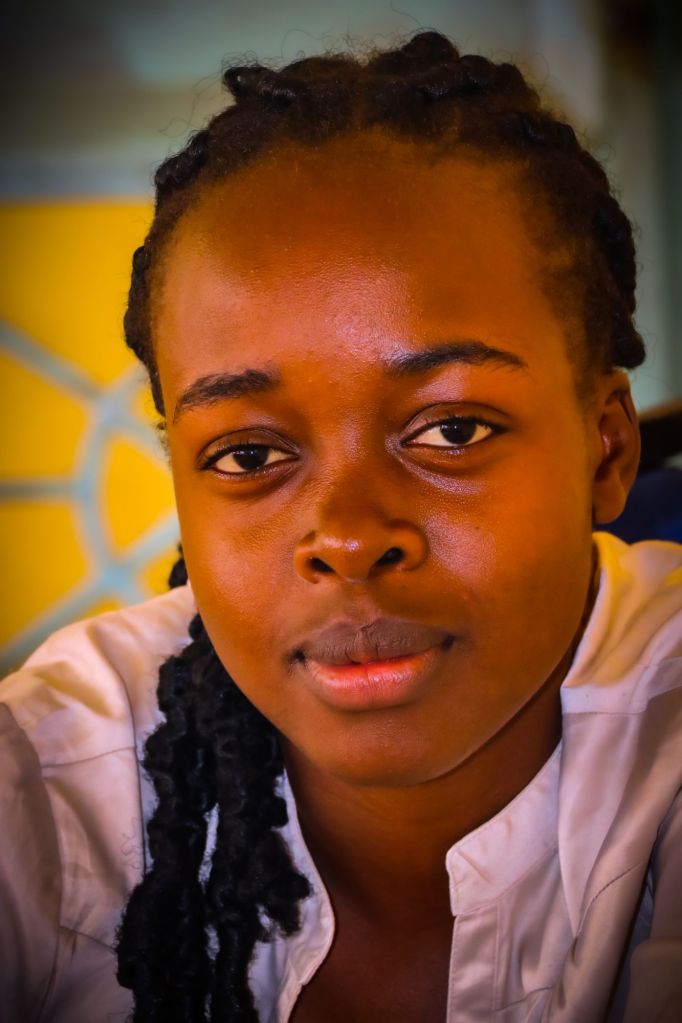
In the soft whisper of dawn’s first light,
I see your silhouette, a graceful sight.
A young African queen, in purest white attire,
With dreadlocks flowing, you ignite my fire.
When I look into your eyes, deep pools of mystery,
I find a world uncharted, brimming with history.
Eyes that twinkle like stars in the night’s embrace,
Holding galaxies within, a cosmic interlace.
Your gaze, a beacon in my storm-tossed life,
Cuts through my turmoil, ending strife.
Eyes that dance with joy, laugh with ease,
In their reflection, my soul finds peace.
Your dreadlocks, a crown, so freely they cascade,
Each strand, a story, in beauty arrayed.
Like roots of the ancient Baobab, they stand,
Grounding me, when I hold your hand.
When I look into your eyes, I see dreams anew,
Visions of a future where I’m entwined with you.
A journey together, through thick and thin,
Our spirits connected, a flame within.
Your beauty, in simplicity, an artless charm,
In your embrace, I find solace, a soothing balm.
A young African woman, in a white shirt dressed,
With you by my side, I am truly blessed.
When I look into your eyes, love’s tale unfolds,
A bond as pure as the white of your clothes.
With every glance, my affection deeply grows,
In your eyes, the doorway to your soul brightly glows.
So here I stand, before you, my heart in hand,
Asking you to share life’s journey, as we had planned.
Through your eyes, I’ve seen love’s true guise,
Forever mesmerizing, when I look into your eyes.
By JOE MWANGI
The Blue Star Insider
Love and Nature

In the gentle embrace of nature’s vast expanse,
Atop a hill where serenity takes its stance,
Two souls find a moment, tranquil and rare,
Where silence speaks volumes in the crisp, cool air.
They sit, not just close, but together entwined,
Two hearts in a moment, leaving the world behind.
Eyes locked, exchanging whispers without sound,
In their gaze, a universe of love is found.
Upon this hill where earth meets sky,
They find a love that doesn’t question why,
Where breezes hum the melody of affection,
And time holds its breath in quiet reflection.
Their shadows merge in the sunset’s glow,
A perfect symphony, tender and slow.
No words are needed where souls can roam,
In each other’s eyes, they find their home.
Beneath the blanket of the universe so vast,
They sit, knowing this moment may not last.
But love, in its essence, transcends time and space,
In the heart’s quiet corner, it finds its place.
As stars awaken to the night’s gentle call,
They remain, unshaken, enthralled.
For atop this hill, a love was born,
In silent whispers, hearts were sworn.
To love, to cherish, in times of strife,
To hold each other, throughout life.
On this hill, they found what many seek,
A love so profound, no words could speak.
So, here’s to the lovers, on hills far and wide,
Who find in each other, a world to reside.
May your love be as vast as the view before you,
Endless and deep, in everything you do.
This poem, woven from threads of affection and time,
Echoes the love that in silence, does chime.
For atop that hill, under the sky so grand,
Two people sat, together, hand in hand.
BY JOE MWANGI
The blue Insider
Kenya
Kenya, officially known as the Republic of Kenya, is a country located in East Africa. It is bordered by Tanzania to the south, Uganda to the west, South Sudan to the northwest, Ethiopia to the north, Somalia to the northeast, and the Indian Ocean to the southeast.
Nairobi, the capital and largest city of Kenya, is the economic, political, and cultural hub of the country. Kenya has a diverse population with more than 50 different ethnic groups, including the Kikuyu, Luo, Luhya, Kalenjin, and Maasai, among others. Swahili and English are the official languages, but there are many local languages spoken throughout the country.
Kenya is renowned for its breathtaking natural beauty and diverse wildlife. It is home to several national parks and reserves, including the Maasai Mara, Amboseli National Park, Tsavo National Park, and Lake Nakuru National Park. These protected areas provide habitats for a wide range of iconic animals such as lions, elephants, rhinos, leopards, giraffes, zebras, and countless bird species.
Tourism plays a significant role in Kenya’s economy, as visitors come from around the world to experience its wildlife safaris, stunning landscapes like the Great Rift Valley, and beautiful coastal areas such as Mombasa and Diani Beach. Additionally, Kenya is known for its athletic prowess, producing world-class runners who have excelled in long-distance running events.
Despite its natural beauty and tourism sector, Kenya faces various challenges. Poverty, unemployment, and income inequality remain significant concerns, particularly in rural areas. Access to education and healthcare is also a priority for the government to improve the overall well-being of its citizens.
Kenya has a developing economy, with agriculture being a key sector contributing to its GDP. The country exports tea, coffee, horticultural products, and recently has seen an increase in exports of cut flowers and avocados. Additionally, Kenya is exploring other sectors such as manufacturing, renewable energy, and technology as drivers of economic growth.
In recent years, Kenya has made progress in infrastructure development, with the construction of roads, railways, and the expansion of port facilities. These initiatives aim to enhance regional connectivity and facilitate trade within the country and with neighboring countries.
Kenya has a rich cultural heritage, and its traditional music, dance, and art reflect the diversity of its people. The Maasai people, known for their distinctive red attire and beaded jewelry, are among the well-known ethnic groups in Kenya, as are the Samburu, Turkana, and Kamba.
Overall, Kenya is a vibrant and diverse nation with a fascinating mix of natural wonders, cultural traditions, and a resilient population striving for a better future.
By Joe Mwangi
Serenade Of Emotions
The explosion of millions of thoughts in the mind, often ignited by the stream of our emotions. The soul is tied up and immersed in a particular state, breathtaking feeling— that feels more of mind imprisonment. Like you’re a prisoner. Tamed. Caged. Hopeless and helpless. Locked down in a room saturated with pessimism and sadness, fatigue now riding you with those stirring thoughts ruthlessly ruling your mind and taking away every ounce of your energy. Tears blinding your eyes—emotions are running wild because you’re rooted now in reflection, in unclear state of the mind, in sadness, and you’re limited to experience or even glimpse at happiness that exist beyond the cage your mind is in. Conceivably, nothing here is promising and nothing there is right. Indeed you’re a prisoner. The world feeling more of a void, silence ruling, and you’re a Lone Ranger.
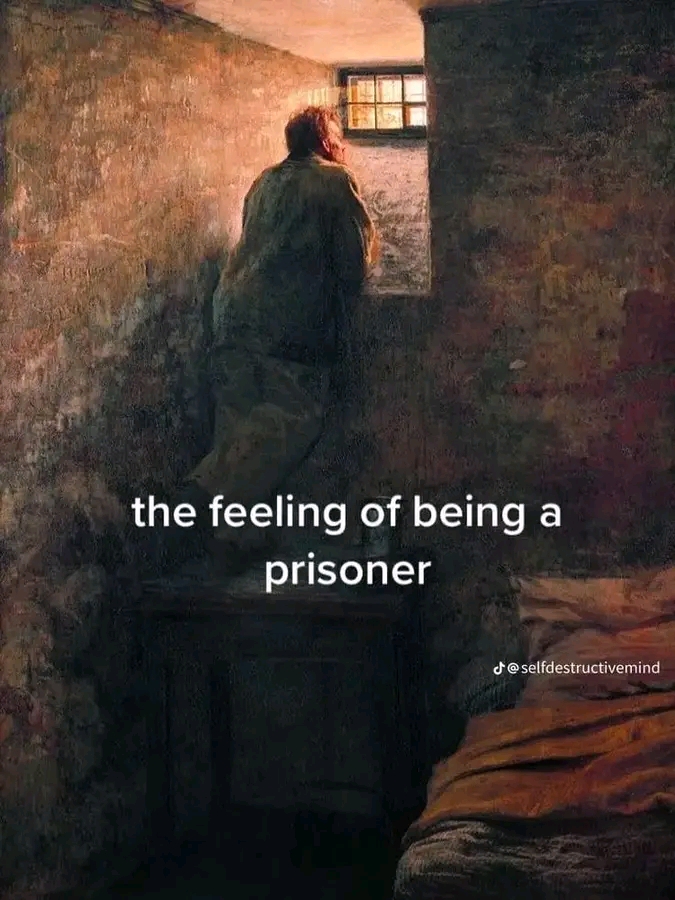
In the compulsion to search for choice that would sire liberation of you from those indistinct streams of emotions, you realize that you have no single choice, because you’re a prisoner, of your own. What about condemnation? They said it doesn’t liberate. Maybe acceptance will, uncuff your mind, and unlock all gates of self-discovery, freedom of the mind to seeking happiness and love. But being a prisoner feels much heavier. Heavier when emotions build up and begin to haunt you. Despite your swirling emotions, there’s a glimmer of hope that persists even when things feel dark. It’s like a small flame refusing to go out. As you struggle with acceptance, it’s similar to reconnecting with a friend you’ve been avoiding—awkward yet comforting. It’s not about letting your feelings control you, but acknowledging them.
In this process, emotions become like companions on life’s journey rather than jailers. They carry stories, your history, and your desires. Gradually, you start to release the grip of intense emotions, like opening a long-locked door. These moments provide relief, much like sunlight breaking through clouds, revealing an emotional landscape beyond sadness. But let’s be real—the journey to emotional freedom isn’t straightforward. It’s a dance between feeling lost and finding yourself again. While navigating through this emotional symphony, you might stumble and feel overwhelmed, but there will also be moments of rising and appreciating your resilience. You’ll feel the warmth of light gradually reaching the corners of your heart and mind.
By MAXWELL KAMAU & CORTES KILOBI.
The Blue Star insider.
Kids’ mental well-being is just as important as their physical health
Mental health affects the way people think, feel and act. Taking care of our mental health is just as important as having a healthy life. Having good mental health is key to the healthy development and well-being of every child. Kids need good mental health — not only to be able to cope with challenges and adapt to change, but so they can feel good about themselves, build healthy relationships with others, and enjoy life.
Most parents have registered good performance at keeping their kids physically healthy. They burn the candle at both ends to ensure they get healthy diets, get immunized on time, and stay physically active. But despite their good parenting work, a child’s emotional and mental well-being is just as important to their quality of life as being physically healthy.

Kerry Heath, a licensed professional counselor with Choosing Therapy adds that every aspect of our lives such as emotional, physical, relational, and spiritual are connected with our mental health. Since they are interrelated, when one or more areas are impacted, our mental health is likely to be adversely affected.
Kids’ mental health can be influenced by many things like family issues, school life, and life events. While they can experience mental health issues at any age, they are most at risk between the ages of 12 and 16 years. We all feel sad, upset, or angry sometimes.

But if a kid feels like this most of the time, it is a sign they need immediate help. Alarmingly, 75 percent of kids and young people who experience mental health-related problems such as depression, abuse(physical, emotional, or sexual), bullying (including cyberbullying), suicide, or relationship problems (family and peer issues), and anxiety are not getting the help that they need.
It is next to impossible for a child with mental illness to be able to think, make new friends, and learn new things. But the one with good mental health can develop self-confidence, build self-esteem, practice perseverance, set goals in life, make good decisions, manage difficult emotions and develop a healthy emotional outlook on life.

Most parents seldom spend enough time with their kids listening to their daily experiences, and what is pressing them. Due to harsh economic conditions coupled with huge debts and other needs that they must cater to, they end up working for long hours, approximately 15-20 hours a day, from Monday to Friday. Upon their arrival back home, some are usually frustrated, depressed, or drained.
According to Mental Health Foundation and Children Society, 2008, 50 percent of mental health problems are established by the age of 14 and 75 percent by age of 24.10 percent of children and young people (aged 5-16 years) have a clinically diagnosable mental problem, yet 70 percent of children and adolescents who experience mental health problems have not had appropriate interventions at a sufficiently early age.

So who is to be blamed? Good mental health begins in infancy. But neglect by parents and guardians to pay attention to the mental health of their kids has bred danger. Kids of age 10-15 have died by suicide mainly because of depression, others end up using narcotics, and the number of those dropping out of school has risen.
In 2017, WHO ranked us sixth with the highest number of depression cases among African countries. Parents and caregivers, therefore, have a crucial role to play in fostering good mental health, seeking support when it is needed, and guiding their kids through life. As a parent, the most important way of supporting your child’s mental health is by showing them, unconditional love. Let your kids know that irrespective of the challenges that they are facing, you love them unconditionally and that you are there for them.

Make sure you are framing your child’s mistake as a way of learning instead of communicating failure, says Jenni Torres, a senior Vice President of curriculum and instructions for the non-profit Waterford.org Moreover, encouragement, praise, and affirmations are all ways in which parents can not only build their child’s self-confidence and self-esteem but more importantly, support their mental health.
Research shows that low self-esteem is associated with anxiety, depression, and academic stress, which all significantly affect a child’s quality of life. Low self-esteem can even lead to suicidal ideation.Spending time together as a family also gives parents much-needed face-time with their kids to learn what they are struggling with.

It sends messages to your kids that you care about what is happening in their lives. You can also easily recognize issues in your child’s life because you communicate regularly every time you are together. Parents also need to create an environment in their home where it is safe for kids to discuss their feelings and struggles. Kids need to feel safe in the environment that they are growing in.
Be a good role model by building a healthy and strong trust with your child. Once they are guaranteed that, they will eventually open up about their struggles.

The blue star insider
By; Joseph Wanjihia Mwangi,Journalist| Comms| Scribe| Maverick| Bibliophile| Arts, Culture & Entertainment nerd| Dreamer| 4th Estate.
Why is Generation Z resistant to becoming parents?
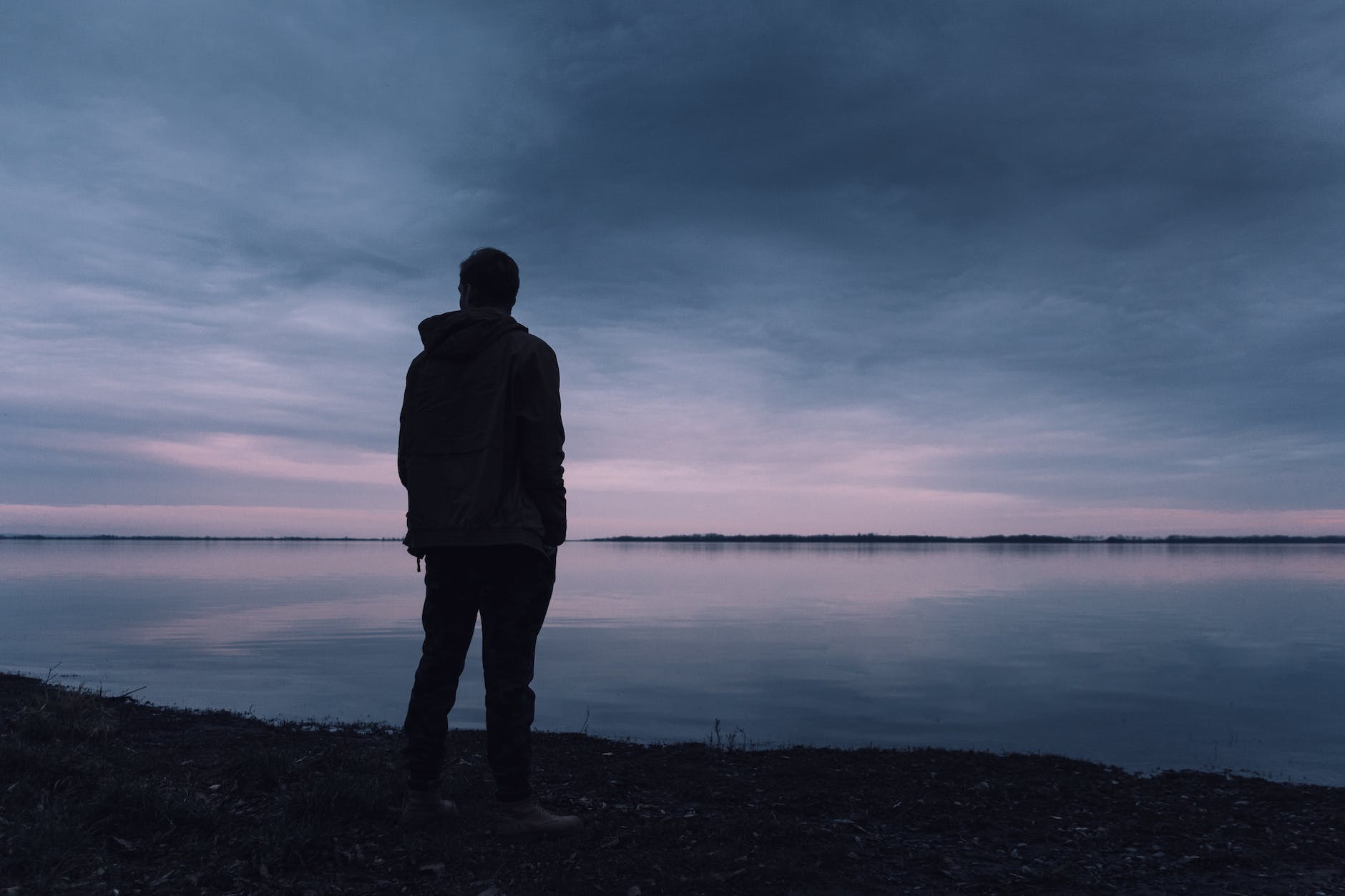
Some weeks ago, The Associated Press (AP) published an article about Gen-Z and millennials’ reluctance on becoming parents where both cohorts cited reasons such as overwhelming student debts, climate crisis, and low salaries as some of the main reasons why they are not looking to have children.
Generation Z, colloquially known as zoomers, is the demographic group succeeding millennials and preceding generation Alpha. Researchers and popular media use the mid-to-late 1990s as starting birth years and the early 2010s as the ending birth years.

Generation Z is the most popular with 18,378, 493 inhabitants representing 33.42 percent. Millennials are 12, 123, and 453 representing 22.05 percent.
Both generations make up 55.47 percent. 81.06 percent of Kenyans are aged 39 years and below. Birth rates and fertility have been steadily lessening for the last few years. Presently, people of childbearing ages, many of whom fall in this demographic — that is, millennials and gen-z are delaying childbearing thus showing reluctance in starting a family.
Kenya has not been spared either thus being put in line with the rest of the world where young women have delayed motherhood.

This is a worrying trend that has raised concerns for years now on why this up-and-coming generation including the Millenials, has shown reluctance in childbirth.
Notably, childbirth is a significant phase in the life of women of reproductive age which is always unpredictable and not well elucidated both theoretically and in the available literature.
Motherhood is often hyped as an experience that is bound to bring joy, fulfillment, and purpose to a woman’s life.
However, some Gen Z individuals deliberately choose not to start a family attributing they value their freedom and they are not ready to dedicate 18 or more years of their lives to taking care of children and others desire to take life on their terms and excel in their career supersedes the desire of becoming parents.

New data in the latest economic survey report shows that Kenya’s fertility rate has gone down, particularly in urban areas.
The total fertility rate for 2019 was 3.4 births which marks a drop of about one birth from 4.8 births in 2009. On lifetime fertility, the results revealed that the proportion of female teenagers aged 15-19 with no child had increased from 77pc in 2009 to 90pc in 2019.
At the same time, women aged 20-24 with no child increased since 2009 up from 35 pc in 2009 to 46 pc in 2019. According to the Associated Press, this trend can be attributed to several factors.
Chief among them is an expensive economy, which was riddled by the pandemic and lacks affordable childcare, coinciding with decades of progress for professional women as choosing to be child-free becomes less of a taboo.

Many women in the world today also have so many opportunities, which has prompted them to seek other paths to fulfillment.
Women have more options than ever when it comes to how to spend their time, energy, and money. Worth noting, that the declining birthrate is about when having access to education and employment.
Empowerment and other life-sustaining opportunities have prompted them to postpone having children until their 30s or 40s.
Climate change is another factor. It adds more uncertainty, making gen-z and some millennials wary of bringing a child into an environment increasingly shaped by global warming.

Climate change has influenced their reproductive decisions. Uncertainty about the future is making zoomers worry about overpopulation and overconsumption.
In the country, for example, climate change has unceasingly impacted the lives of many people plus the environment. It has led to more frequent extreme weather events like droughts which last longer than usual, irregular and unpredictable rainfall, flooding, and increasing temperatures.
Others just aren’t interested in having kids, a sentiment that has become a lot more socially acceptable in recent years. Students in colleges and those who have recently graduated are overwhelmed by debts.

They are focusing on how they will clear them. With over 13 million Kenyans blacklisted at Credit Reference Bureau (CRB) and huge HELB loans to repay, this trend shouldn’t come as a surprise to anyone.
Zoomers are facing immense pressure from their family members to start a family. What they fail to understand is that unwelcoming changes in the economy, overwhelming debts, changes in climate, and scarcity of gainful employment opportunities are the main reasons for their reluctance.
Many people today have not realized those are the factors that are making zoomers and some millennials reluctant in starting a family. They have argued that it is a personal choice attributed to many factors and their decisions should be given due respect.

With the foregoing, it is clear that if these causes are addressed early, the fear, unwillingness, and reluctance will be lessened thus prompting them to change this mindset. As time goes by, we might witness an unprecedented increase in the birth rate in the country.
The blue star insider.
By; Jackson Ngari and Maxwell kamau.
Climate change top worry for Generation Z, Millennials
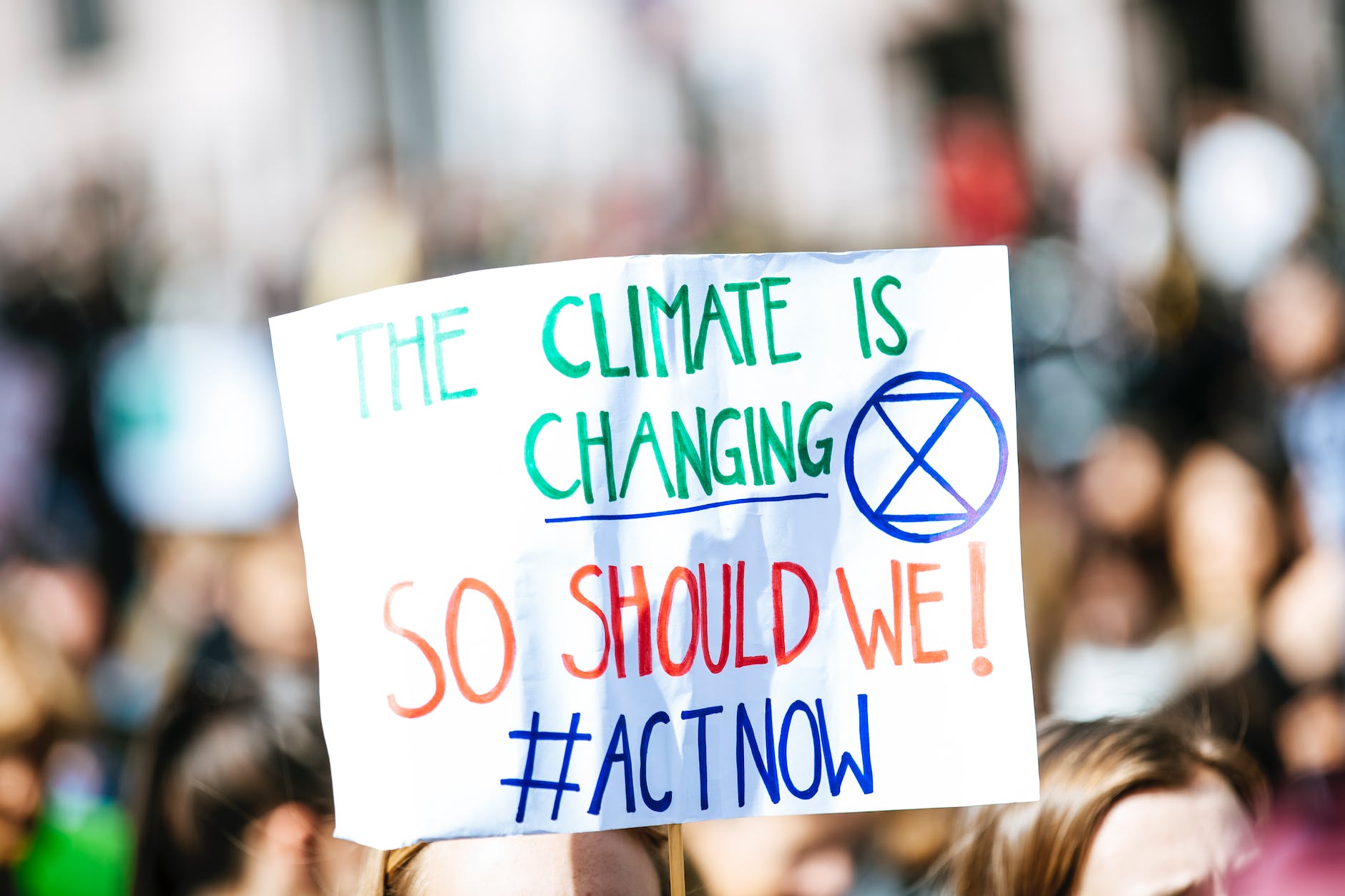
Climate change has been an indispensable subject of discussion across generations.
For Generation Z and Millenials, climate change is one of the most pressing issues that has traumatised them.
As climate change tops the list at the world level, they are increasingly engaging with it.
They are discussing more the need for action on climate change; among social media users, they are seeing more climate change content online; and they have opted to get involved with the issue through activities such as attending rallies and peaceful protests.
Notably, 32 per cent of Gen Z and 28 per cent of Millenials are taking further actions such as contributing funds, volunteering, or attending rallies to help address climate change according to Pew Research Center.
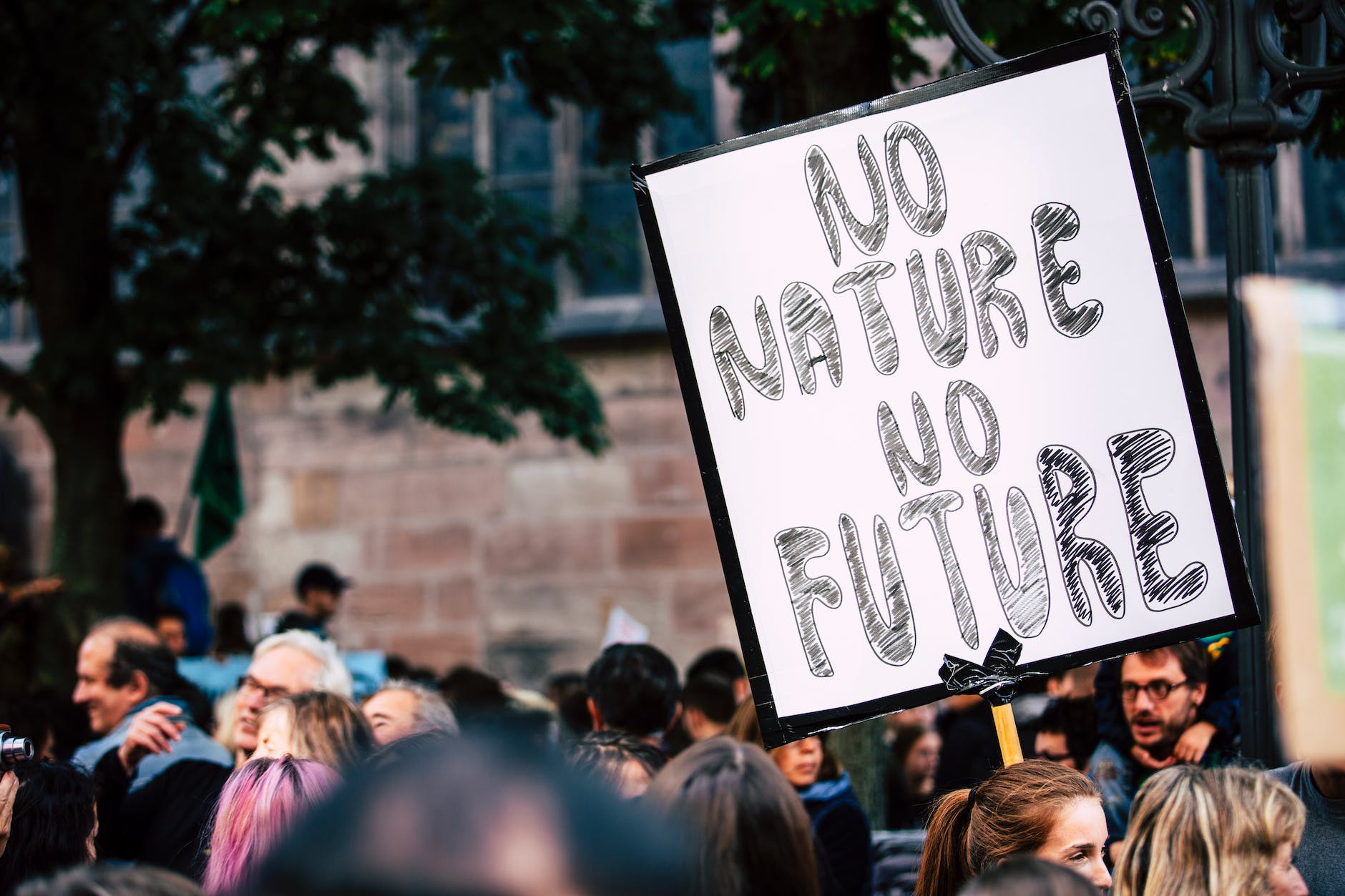
Anxiety about the future has been devouring them as the climate crisis keeps on escalating every minute.
Industrialisation and other human activities like environmental pollution and ecological destruction have largely affected the well-being of our planet.
Generation Z, dubbed as social media natives, have reported feeling disturbed and angry the moment they encounter climate change content online.
Shocking reports about the climate change crisis and ecological destruction have been found to have a profound impact on teenagers, that is, a heavy emotional burden.
Failure by world leaders to address climate change has made them believe that humanity is doomed.
Brit way, the author of Generation dread: finding purpose in an age of climate crisis during an interview with Yale Environment 360 revealed that teenagers who are bombarded with an array of climate change disasters news online always feel betrayed by government inaction and dismayed when told that they are overreacting to what they see as an existential threat.
And because they strongly believe that the future is bleak, many are reluctant to start a family.

Climate change has triggered global political instability and rendered parts of the planet uninhabitable.
Young people believe that those who are fighting tooth and nail including companies and legislators to curb the climate change crisis are not doing enough thus why they are stepping up to save our environment from destruction.
Gen Z and Millennials have entered the global movement to tackle climate change.

With such a huge crisis facing the entire planet, world governments all argued that the core of all climate change solutions is reducing greenhouse gas emissions.
In Paris in 2015, world leaders from 197 countries pledged to put the lives of people first and their country’s greenhouse gas emissions.
The Paris agreement has the aim of capping global warming to well below 2°C and ideally to 1.5 °C.

Other solutions that were laid out to defend our climate include investing in renewable energy, keeping fossil fuels such as coal, oil, and gas underground, restoring nature to absorb more carbon, protecting forests like the Amazon and oceans, and reducing plastic.
Gen Z and millennials have taken to the streets demanding a solution to the climate emergency.
They want to see each of those solutions taking effect fast because efforts by the world’s governments have been achingly slow.
Commitments to combat carbon emissions are already set but few are binding and targets are often missed.
Consequently, young people are joining and forming organizations and activities they are protesting peacefully to demand urgent action to tackle climate change disasters.

They are also signing petitions and with the aid of technology, they share them on social media.
For over years now, Gen Z (tech natives) have been using social media to create awareness about climate change thus pushing for a big change.
As climate conscious both Gen Z and Millenials are using their time, utilizing their resources, and energy to protect green spaces from destruction.
Following the footsteps of the late Nobel Laureate Dr Wangari, this generation is doing all that it can to ensure the world is sustainable by protecting the environment.
Moreover, Gen Z is also using art to inspire action. Through music and painting, they are still advocating for a sustainable world.
Since there is still hope, we can all drive a change and prevent the worst consequences of climate change if we wholeheartedly implement all the solutions needed to change our planet.
Let us care about the well-being of our planet. If we continue to destroy our ecosystem then we should be guaranteed that survival will be hard in future times.
The Bluestar Insider.
BY MAXWELL KAMAU.
Social media is helping Gen Z make business unique
Generation Z is rapidly adopting a unique approach to entrepreneurship.

Born between 1997 and 2010, Gen Z succeeds millennials, and while they are similar in some ways, their approach to entrepreneurship is unique.
They are the internet generation and their innovative minds have guided them to walk a different route in terms of entrepreneurship.
They are rapidly harnessing the entrepreneurial spirit, and soon they will become the most entrepreneurial generation the world has ever seen.

According to the 2021 entrepreneurial spirit index published by IPSOS, 29 per cent of Gen Z were ranked as having a very high entrepreneurial spirit compared to 36 per cent of millennials, 33 per cent of generation Z, and 25 per cent of baby boomers.
Notably, this up-and-coming generation is the most optimistic and purpose-driven.
They are dreaming to become bosses in the future, and this influenced them to spring at a startling rate.
Brought up in a competitive environment where almost everyone is burning the candle at both ends, no one wants to be left behind.
After harnessing enough skills and resources, these youngsters are thinking of starting either a company or businesses that will generate profits.
Zoomers were raised as digital natives, they grew up in a world of smartphones, social media, e-commerce, and on-demand services.
They are confident that if they create a product, they can skillfully turn it into a business by tapping the talents of a smart group of determined peers, and without massive capital investment.
Itai Matalon, CEO, and co-founder of UpNext company asserts that ‘generation create’ usually doesn’t worry about risking their financial stability by acting on entrepreneurship opportunities.
Generation Z is taking risks that are enabling them in finding widespread success with their entrepreneurial exploits, from apps and Youtube channels they have created to other considerable products they are inventing.

The unique qualities and traits of this generation are giving them an edge in business. They seem to outsmart the millennials.
They have the world at their fingertips. Instant and real-time social connection has exposed them to a broad range of influencers, ideas, perspectives, and opportunities.
Since generation Z is tech savvy, they are comfortable with the latest tools and channels, they innately understand the value of branding and self-promotion.
The real-time social connection enables them to embrace collaboration and exclusivity, they adequately use their internet skills to prove — whether their ideas can work or not.
These young founders are innovative enough and through this, they build an audience and find ways to monetize it, whether through ads, paid promotion, or production.

Zoomers are curious and highly value learning. Long ago, those who were aspiring to be successful entrepreneurs believed that having a business degree was the only way of succeeding in business.
But today zoomers think differently. With the development of so many learning tools, they can easily take their lessons wherever they can get them.
Google has become their reference source where they can harness their entrepreneurial spirit and skills.
Many reports have also indicated that Millenials and Gen Z will power higher consumption.
It is now evident that huge demands from family and friends are leading this generation to e-commerce platforms like Shopify.
For those who are rapidly building their audience, they are utilising audience-building communities like TikTok to brand and convince more buyers through the tutorials they create almost daily.

When you examine our youths today, apart from making profits, they are driven to make a difference.
Everyone wants to solve problems like climate change and social justice issues.
As they struggle to be successful entrepreneurs, they want to ensure that their business is environmentally-friendly and does not cause pollution.
These educated minds know that polluting the environment will make it hard for human survival.

The world should expect a high degree of Independence and autonomy in whatever environment generation Z is in.
They think of themselves as creators of change. They are passionate and curious and they deploy creative forces to find innovative solutions to current challenges.
BY MAXWELL KAMAU
The blue star insider
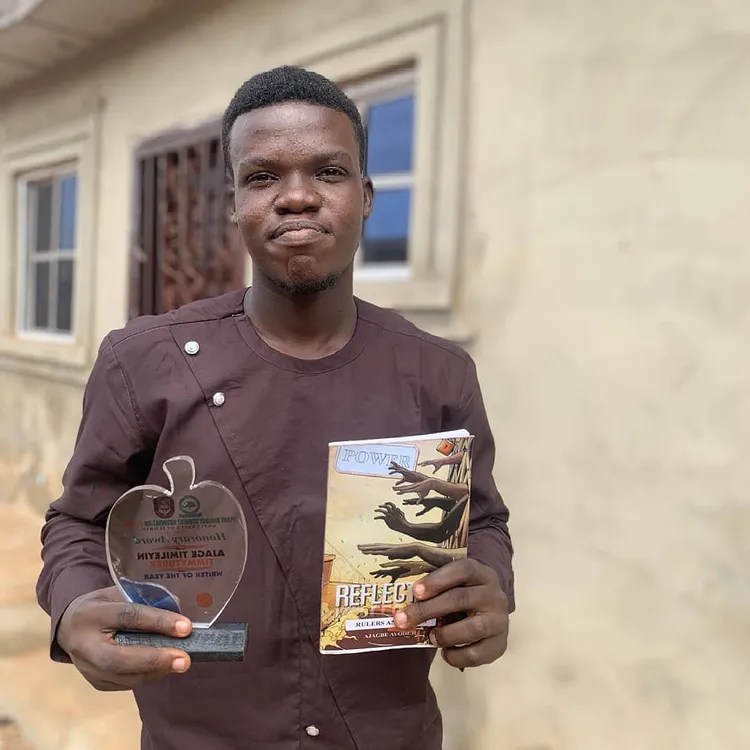
Ayodeji Ajagbe: An award-winning Nigerian author who is embracing hard-work
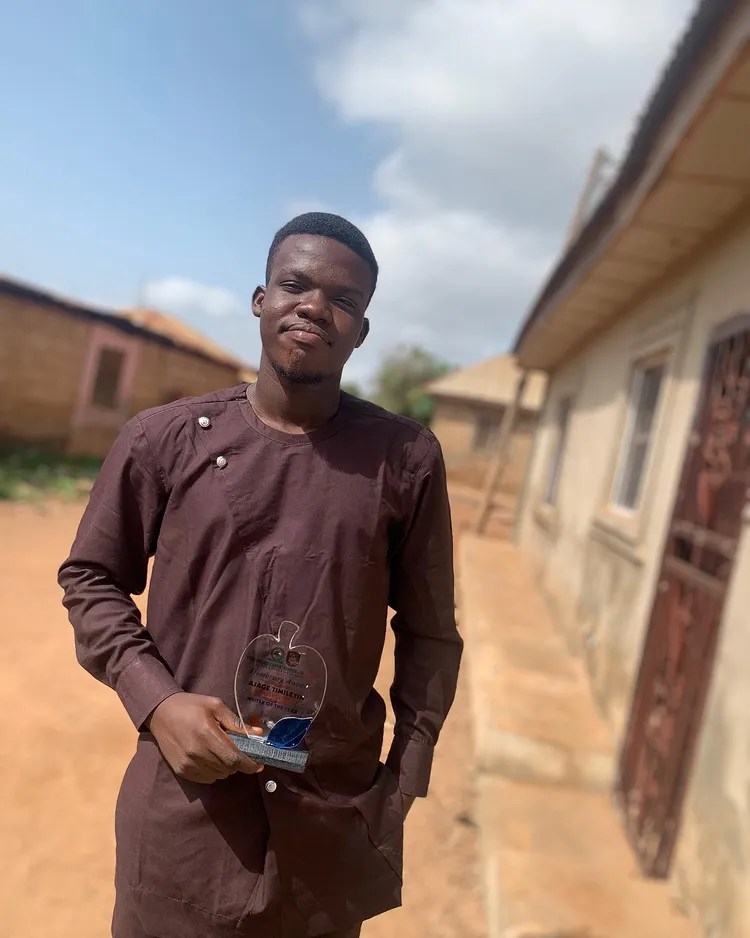
Inspired by A.H Mohammed, the author of “The Last Days at Forcados High School”, Ayodeji Ajagbe popularly known as Timmy Turner are an award-winning author, creative writer, and romance novelist. Born in Ibadan, Oyo State, Nigeria, he began his professional career in 2016 and he has written eight books since his debut as an author. His celebrated works include What Happened to Helen, Reflection: Rulers and Prey, High School Lovers, Sad Love Story, Meant To Be, Memories, and Reasons To Live.
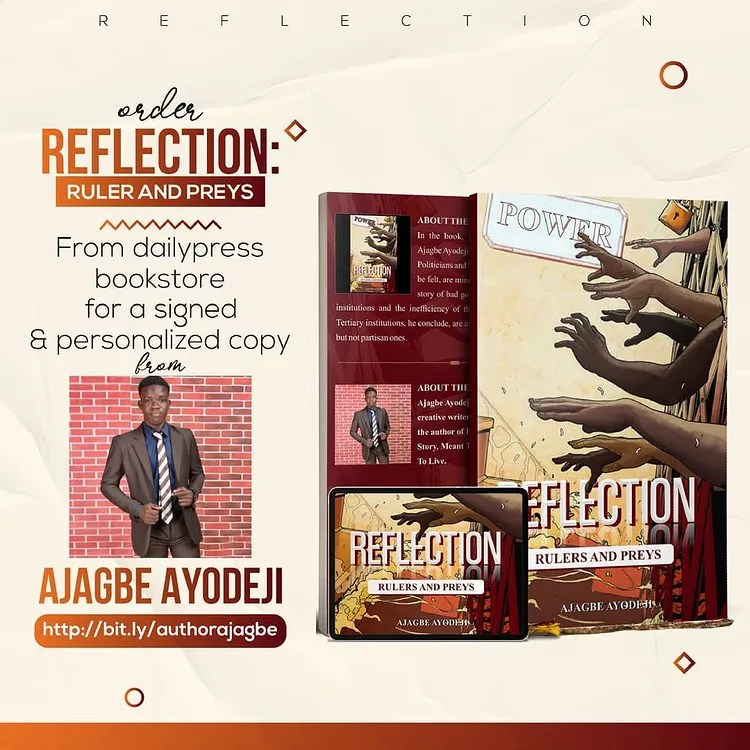
He’s also the founder of DailyPress Bookstore, an affiliate of DailyPress PLC. An online bookstore that helps people read books, stories, and research work for students and lecturers. His book Meant To Be has served as the foundation for many of his books.
Colin Luther Powell who was an American politician, statesman, and diplomat opined that a dream does not become reality through magic; it takes sweat, determination, and hard work. Here’s an exclusive interview with our young, and multi-talented author, who is burning the candle at both ends.9

1. As an award-winning author, how did your writing journey begin?
Coming to think about it, the start of my writing journey has to do with my introverted tendencies. As a kid, I hid behind the facade of this funny, humorous, crazy person but at the same time, I rarely felt comfortable enough to portray my real emotions or thoughts and not only because they were so different from people around me but also I had a better outlet.
That outlet is pouring my heart out through writing and do you know the best part, no one gets to judge you nor do you have to justify the way you feel.
And maybe I got into writing because I have always loved reading.
And if you are asking how I got into writing professionally, well let’s just say I don’t know how to do anything else.
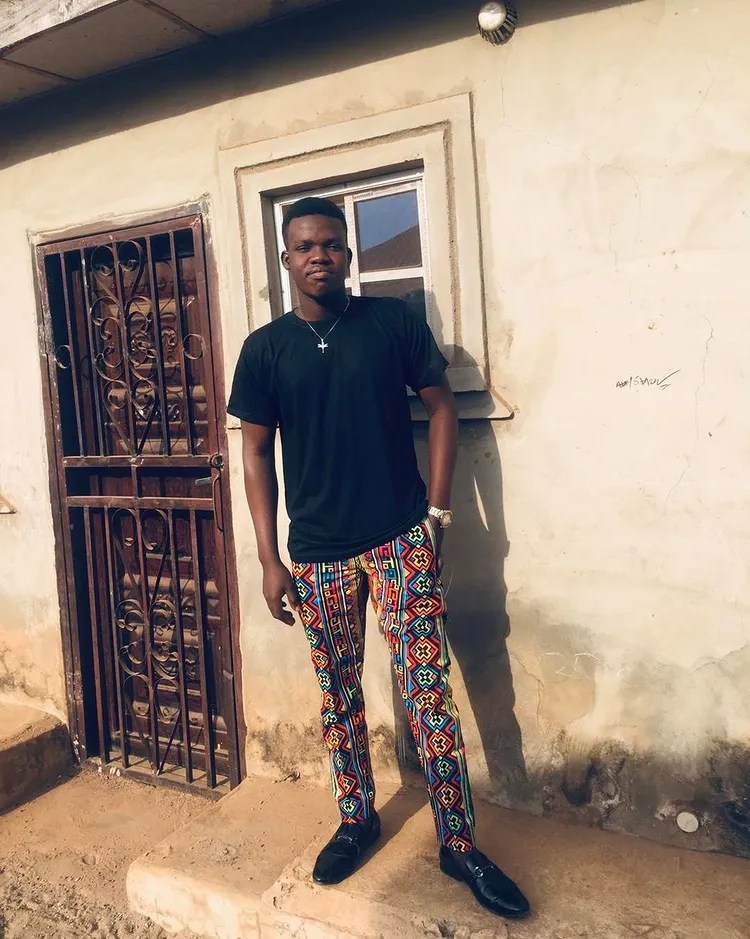
2. Gaining publicity as a young youth with a positive impact on society is among what many people aspire for. What inspired you to become an author?
I have always loved the sound of the language. I think the music of the human voice is beautiful, and writing feels like a magic technology that can carry a voice across great distances, cultural divides, and generations. I get satisfaction from writing and I feel compelled to do it the way one feels compelled to shower and eat breakfast in the morning. Writing feels nice.
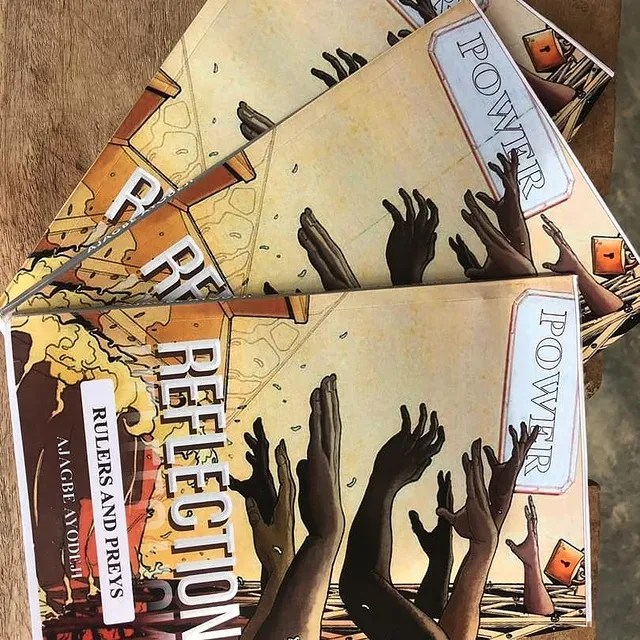
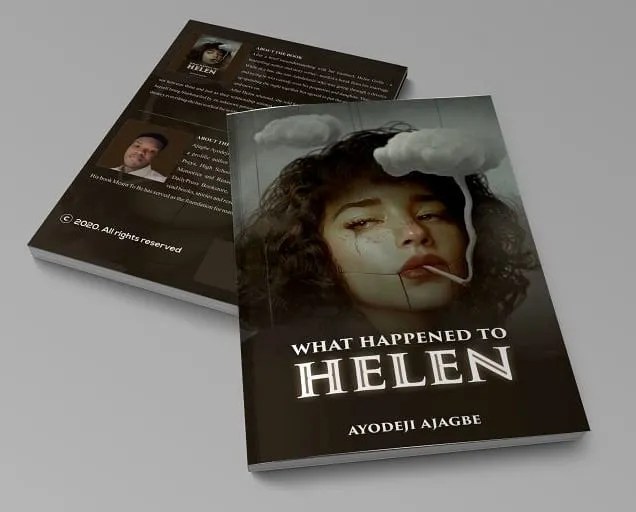
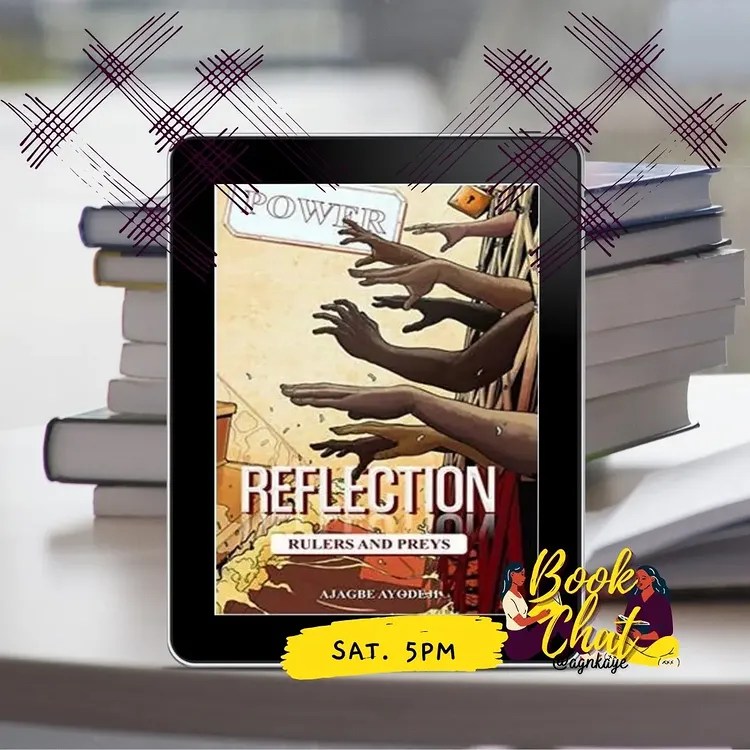
3. A follow-up on all your socials gives two books a higher standing: “WHAT HAPPENED TO HELEN” and “REFLECTION; RULERS AND PREY”. Give a scope of both books.
For Reflection: Rulers and Preys, I let my readers explore the challenges of student politics in the world of 24-hour news and social media as well as the conflict between political ambition and staying true to who you are.
The main character, Comrade Oluwatimileyin Turner, Chief Whip, is a cynical, manipulative politician determined to become President. He is willing to use every secret he knows, every pressure point he can find, and every dirty trick in the book to secure his rise to power—and in the process confirms just about every dark and terrible thing you thought you knew about politics.
I wrote about my extensive real-life experience in student politics for the book, and the result is an electrifying vision of how exceedingly violent governing can be behind closed doors.
What Happened to Helen, there are many stories in the world, but only a few are heard. So I wrote a book to be the voice of all those stories. What Happened To Helen is a book of anecdotes published as a work of fiction. It includes the stories of love, pain, and betrayal. Every one of us has different stories in our lives but most of them are unheard, unspoken, or ignored. So I wrote What Happened To Helen to introduce the lives of common people and their untold stories. We all are somewhere broken inside and lost in darkness, but it is our willpower and the hope of a better tomorrow that gives us the strength to fight that darkness and makes our life beautiful. What Happened To Helen is not just my book, it’s the book of millions of people who live with hope.
4. What was the inspiration behind the two books and others that you write?
My first book, Reflection: Rulers and Preys, was born during the lockdown in 2020.
Over the years, I enjoyed writing articles and short stories. Publishing them on Facebook and Wattpad was a thrill. Yet I did not have the skills and confidence to write a whole fully fledged novel. The task appeared daunting.
Finally, one fine day in 2020, I decided I better try writing a novel. The plot was swimming around in my head. I knew I had to write that book. A flimsy, lean book was no answer for this big burst of energy.
I honestly did not know at the time I could write a full book.
It happened in Ibadan, Oyo state during the ASUU strike. After several hours of talks with Kehinde Irhodia, I settled on a bench overlooking the sky-blue canvas before me and dreamed up how this bristling story would unravel.
Those days, I was filled with awe. Imagine holding a printed book in your hand. Imagine readers lining up to get your autograph. Imagine traveling all over the world and lecturing about my book. Imagine fame and fortune.
Nothing happened that way. It was a slog. Paragraph by paragraph I grappled with the story and the writing schedule. The plots thickened.
After five months, the book was ready. All 50,000 words in a row and I was feeling the pressure of publishing now.

5. You have been a full-time Vice Chairman of the National Association of Writers, Kwara Estate. How has been the experience, and mostly, the role played in such a position?
I thoroughly enjoyed working with different writers in Kwara State’s writing community as the Vice Chairman for the past year.
As the Vice Chairman, I was responsible for the coordination of the activities of the Association. I presided at general or executive meetings and act as The Chairman, in the absence of the Chairman or when the Chairman is unable to act in that role. I also acted as the official spokesperson in conjunction with the Chairman.
It is true to say that nothing under the sun is swift but with effort and commitment, everything is possible. What have been the ups and downs of your writing career/ challenges?
As a published author, when I post on social media, I typically share my positive news. Sometimes it feels weird like I’m bragging. But many of my social media followers who are not writers may not understand that I need to share the good news because there is so much in publishing that is disheartening: the rejection, the lack of control over traditionally published authors, and the waiting. There is so much behind the negative scenes, that my psyche must share any good news with the world to tilt the scales. I’m teetering on a slippery slope.
Being an author has innumerable joys, but so many disappointments as well. Contracts that never materialized, non-responding editors, lack of sales, less than perfect reviews, and the years it can take from manuscript to published book.
5. Book marketing requires specialist skills that many authors haven’t had the chance to develop. What marketing strategies do you usually employ when promoting your books? And has your marketing journey been enjoyable?
Difficulty varies by individual ability. There are a lot of people writing nowadays, in the days of self-publishing, that would have been weeded out by the old, traditional methods of attracting interest in a manuscript by being skilled.
But the real difficulty as time goes on is selling books.
People don’t read like they used to. Even the movie industry is suffering because high-quality authors are finding it difficult to sell enough to call their efforts financially worthwhile.
Between the glut of terrible writing and the lack of readers, authorship must necessarily become an exercise in masochism.

My marketing journey has been enjoyable. Thanks to the social media marketing courses I took back then. I pay for sponsors on Facebook and Instagram and they give my book a mind-blowing reach and audience. Scribd also advertises my books on Google quite often, and I’ve been able to get more sales from those advertisements.
6. How much does it take to be a renowned writer?
Good heavens, if I knew the answer to that, I’d have Steven King’s fame and fortune.
7. some ambitious readers and readers would wish to have a hold of your written copies. Where can we find your books?
My books are available in major bookstores worldwide. You can get a copy from wherever you are.
Reflection: Rulers and Preys — https://g.co/kgs/HfjPzq
What Happened to Helen — https://g.co/kgs/NMxFo1
8. What would be your word of advice to upcoming and aspiring writers?
Research publishing and how book selling works. Most authors are clueless about this and end up having unrealistic expectations. Learn everything you can about this, then move on to learning about the genre your books are in. Learn about what readers expect to see on covers, what they expect from storylines, etc. Go back to your books and see if they meet the criteria you’ve discovered.
Have your books been professionally edited? If not, then this should be your next step. No book should be published without being professionally edited — this does not mean you have the English teacher down the street read through the manuscripts. You need to hire a professional who understands what is expected from the genre you’re writing for.
While the editor is toiling away, you need to research how book marketing works and then make a business and marketing plan based on what you’ve learned. Being an author, especially a self-published one, also means you’re a businessperson. You must treat your book(s) like a business or you’ll never get anywhere.
When creating your marketing plan, be as specific as possible so that you will have a step-by-step plan set in place. It’s easy to get lost in all the marketing possibilities out there, so you need a definite plan to keep you on track. You should also establish a budget — free marketing options only take you so far.
Next, research how social media works and set up accounts for you as an author (do not just use your accounts -that’s unprofessional and none of your readers want to know what Timmy Turner did on Sunday!).
When the first round of edits has come back to you, and you’re sure of the direction the book is taking, you can start looking for a cover designer and/or illustrator. Again, you need a professional so your book covers don’t look like they were made by a kindergartner.
I could go on and on, but you get the idea. Educate yourself about every step involved in the process and then when you’ve got everything done and published, then constantly and consistently market your little butt off!
9. Your hobbies?
I enjoy listening to music, I like reading and I love evening walks.
10. Your social media handles?
Twitter: https://twitter.com/the_ayodimeji1?s=21
Facebook: https://www.facebook.com/theayodimeji/
Instagram: https://instagram.com/the_ayodimeji1?igshid=YmMyMTA2M2Y=
By MAXWELL KAMAU AND JOE MWANGI.
The bluestar insider.
 THE BLUESTAR INSIDER