

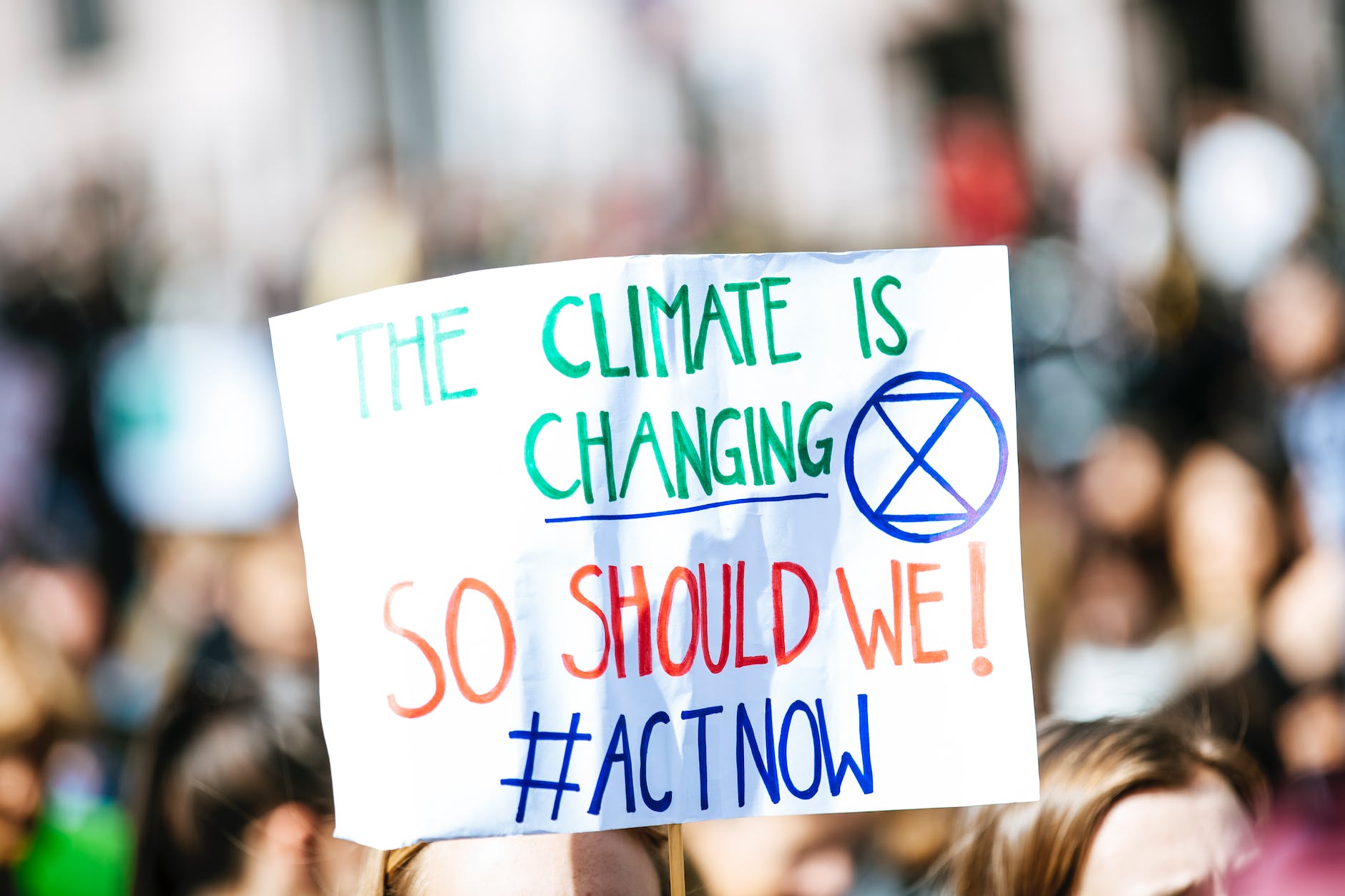
Climate change has been an indispensable subject of discussion across generations.
For Generation Z and Millenials, climate change is one of the most pressing issues that has traumatised them.
As climate change tops the list at the world level, they are increasingly engaging with it.
They are discussing more the need for action on climate change; among social media users, they are seeing more climate change content online; and they have opted to get involved with the issue through activities such as attending rallies and peaceful protests.
Notably, 32 per cent of Gen Z and 28 per cent of Millenials are taking further actions such as contributing funds, volunteering, or attending rallies to help address climate change according to Pew Research Center.
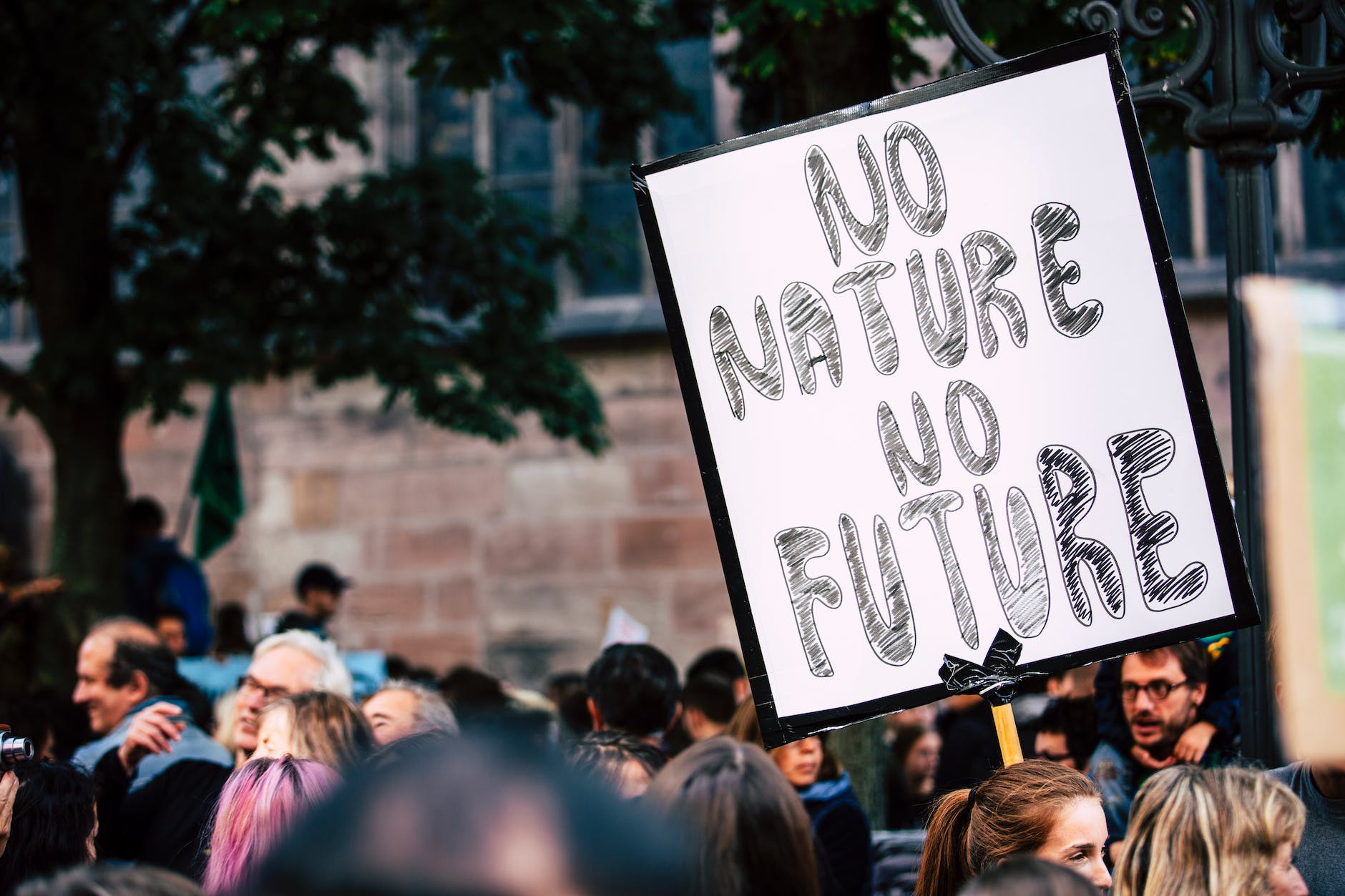
Anxiety about the future has been devouring them as the climate crisis keeps on escalating every minute.
Industrialisation and other human activities like environmental pollution and ecological destruction have largely affected the well-being of our planet.
Generation Z, dubbed as social media natives, have reported feeling disturbed and angry the moment they encounter climate change content online.
Shocking reports about the climate change crisis and ecological destruction have been found to have a profound impact on teenagers, that is, a heavy emotional burden.

Failure by world leaders to address climate change has made them believe that humanity is doomed.
Brit way, the author of Generation dread: finding purpose in an age of climate crisis during an interview with Yale Environment 360 revealed that teenagers who are bombarded with an array of climate change disasters news online always feel betrayed by government inaction and dismayed when told that they are overreacting to what they see as an existential threat.
And because they strongly believe that the future is bleak, many are reluctant to start a family.

Climate change has triggered global political instability and rendered parts of the planet uninhabitable.
Young people believe that those who are fighting tooth and nail including companies and legislators to curb the climate change crisis are not doing enough thus why they are stepping up to save our environment from destruction.
Gen Z and Millennials have entered the global movement to tackle climate change.

With such a huge crisis facing the entire planet, world governments all argued that the core of all climate change solutions is reducing greenhouse gas emissions.
In Paris in 2015, world leaders from 197 countries pledged to put the lives of people first and their country’s greenhouse gas emissions.
The Paris agreement has the aim of capping global warming to well below 2°C and ideally to 1.5 °C.

Other solutions that were laid out to defend our climate include investing in renewable energy, keeping fossil fuels such as coal, oil, and gas underground, restoring nature to absorb more carbon, protecting forests like the Amazon and oceans, and reducing plastic.
Gen Z and millennials have taken to the streets demanding a solution to the climate emergency.
They want to see each of those solutions taking effect fast because efforts by the world’s governments have been achingly slow.
Commitments to combat carbon emissions are already set but few are binding and targets are often missed.
Consequently, young people are joining and forming organizations and activities they are protesting peacefully to demand urgent action to tackle climate change disasters.

They are also signing petitions and with the aid of technology, they share them on social media.
For over years now, Gen Z (tech natives) have been using social media to create awareness about climate change thus pushing for a big change.
As climate conscious both Gen Z and Millenials are using their time, utilizing their resources, and energy to protect green spaces from destruction.
Following the footsteps of the late Nobel Laureate Dr Wangari, this generation is doing all that it can to ensure the world is sustainable by protecting the environment.
Moreover, Gen Z is also using art to inspire action. Through music and painting, they are still advocating for a sustainable world.

Since there is still hope, we can all drive a change and prevent the worst consequences of climate change if we wholeheartedly implement all the solutions needed to change our planet.
Let us care about the well-being of our planet. If we continue to destroy our ecosystem then we should be guaranteed that survival will be hard in future times.
The Bluestar Insider.
BY MAXWELL KAMAU.


 THE BLUESTAR INSIDER