

Sexually transmitted infections (STIs) are infections transmitted by having unprotected sex with an infected partner. STIs are some most common communicable diseases particularly among young people aged 15-24 years.
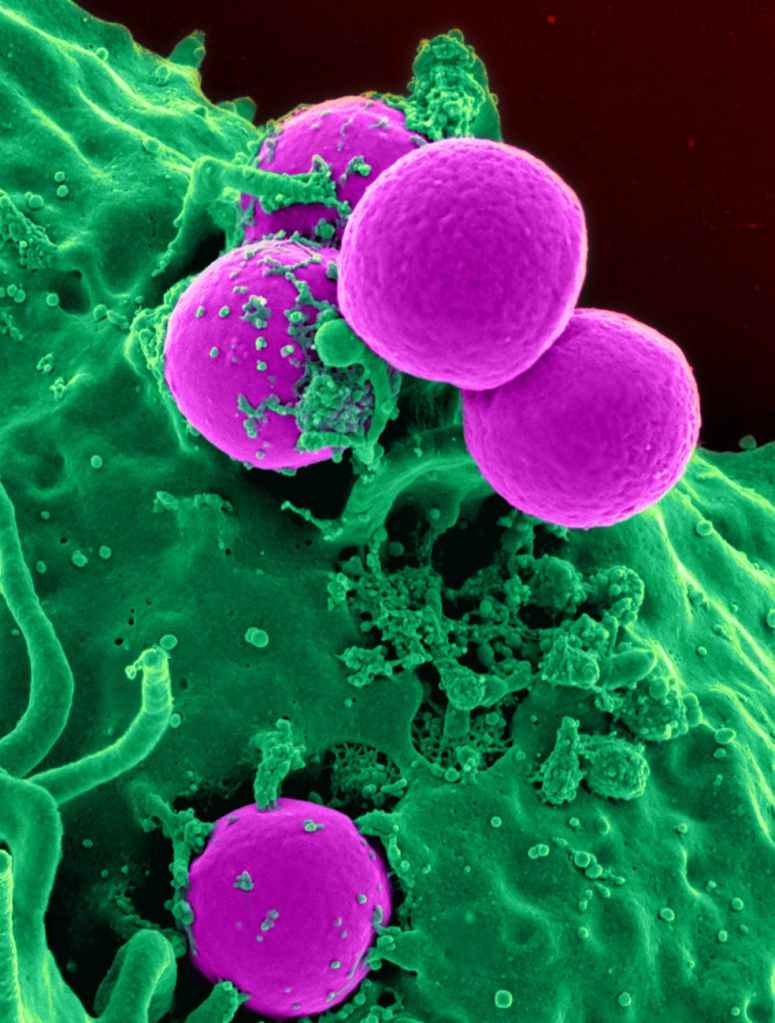
Over the past few fears, people have been fervently coming up with different theories that try to shed some light on matters relating to STIs. But there were some weaknesses as some theories were later discovered to be myths. It has now become onerous for individuals to differentiate between STI facts and myths. This draws the sense that the truth has been contradicted.
Here are compilations of 17 myths discovered and the true facts behind them.
It’s easy to tell if someone has an STI
Fact: Not every STI causes clear signs and symptoms. You cannot tell, by looking at someone, whether they have an STI or not. Take HPV, for example, a virus that can cause genital warts and even cervical cancer. Almost all sexually active people will get it at some point in their lives, but not have any symptoms.
Using two condoms is safer and lowers the risk of getting an STI
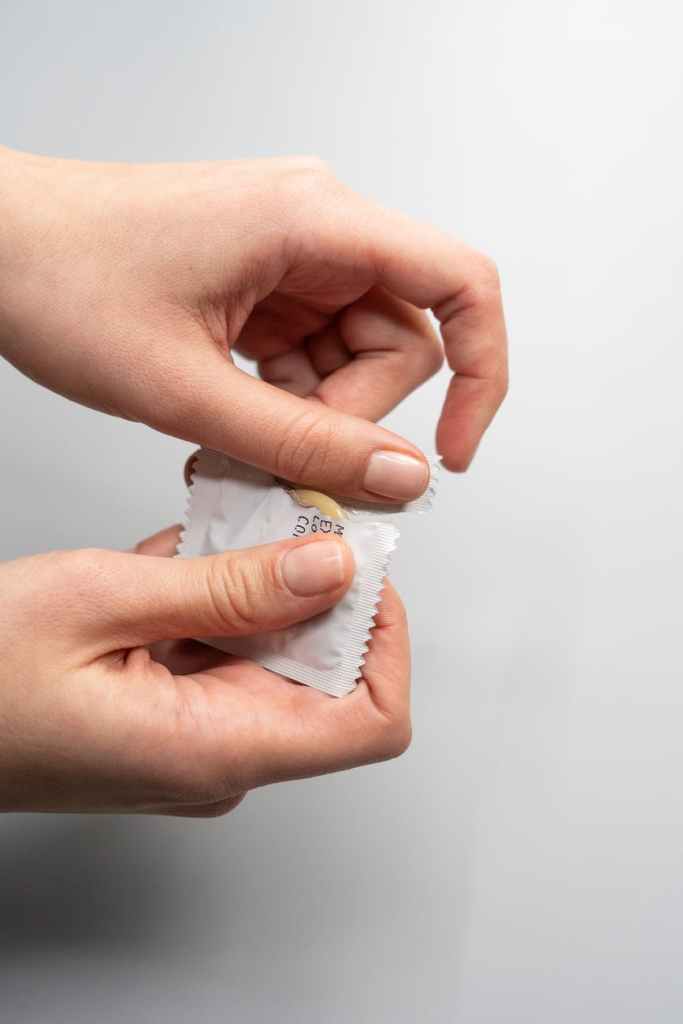
Fact: Using two condoms at once actually increases the risk of them slipping or breaking, which means less protection. Stick to just one condom. For anal sex, use extra lube.

STIs happen to other people, not me. Besides, you can’t get an STI the first time you have sex.
Fact: Anyone engaging in certain sexual activities with someone who has an STI can contract an STI automatically, whether it’s the first time or the hundredth.
You can’t get an STI from oral sex
Fact: Yes, you can. Any form of intimacy, whether it’s vaginal, anal, oral or just genital skin-to-skin contact, can give you an STI. So always be safe when you get intimate with someone: use condoms or dental dams.

All STIs are easy to treat
Fact: Unfortunately, that’s not the case. While some, like chlamydia, are indeed easily treatable, there is no cure for others, like HIV. But even for the curable STIs, when one delays in seeking treatment and complications set in, the treatment isn’t as simple, and one may have to live with life-long complications such as infertility.

You can’t get the same STI more than once
Fact: Yes you can. Unfortunately having a certain STI doesn’t make you immune to it in the future. After the infection has been cured, you are vulnerable to it once again. That is why you should stop having sex with your partner(s) while you are getting treated for an STI. If you infect your partner, then he or she can pass the infection back to you as soon as you are cured.
Some STIs like Genital Herpes infect you once, then can keep reoccurring for a lifetime.
Condoms protect against all STIs
Fact: This might come as a shock, but condoms can’t prevent the transmission of all STIs. Some of them, like HPV and herpes, can be found anywhere around your genitals. And a condom won’t cover these areas, leaving you at risk of infection.
That’s not an excuse to drop the condom though!
I’ve only ever had one partner, so I can’t have an STI
Fact: Unfortunately, even if you’ve only had one partner, you can get an STI. If both of you have never had any kind of sexual contact before, the risk is low.
But, some infections (like HPV) are very common that many people get the infection on the first sexual encounter, and can be transmitted through skin contact alone. So there is a risk of infection, even if you’ve only ever had one partner.
You can’t have two STIs at once
Fact: Yes, you can. In fact, having an STI might make it even easier to get another one. If you have genital warts or genital herpes, for example, HIV can enter the body more easily. And chlamydia and gonorrhea appear together so often, that if you have one of them, the doctor is bound to test you for the other.

If he pulls out before he comes, I can’t get infected
Fact: Pre-cum—drops of fluid that the penis discharges during arousal—can contain HIV, other STIs, or even sperm. Several STIs that cause genital ulcers, such as syphilis or Herpes are not contained in semen, but get transmitted on genital-to-genital contact. It’s best to use a condom as soon as the penis is erect.
Lesbians don’t get STIs
Fact: All women who engage in certain sexual activities are at risk for STIs, Some STIs can be transmitted between women by genital-to-genital or oral-to-genital contact that involves the exchange of vaginal fluids or by sharing sex toys, and some can be transmitted by skin-to-skin contact.
After sex, you can prevent STIs by douching, washing your genitals, or urinating
Fact: Douching can actually push germs farther into your reproductive tract rather than wash them out, and can also alter your vaginal pH, which is normally protectively low. Even washing your genitals or urinating after sex is ineffective in protecting against developing an STI after exposure.
You can’t get an STI from anal sex
Fact: The viruses and bacteria that cause STIs don’t just go for the genitals. They can be spread through imperceptible cuts in the anus, as well. Some STIs, like genital warts and herpes, can be contracted from skin-to-skin contact alone, if you are exposed to an infected area; and gonorrhea also infects the lining in the mouth and eyes as well!
Condoms are only for heterosexual sex
Fact: Condoms can be used for any form of sexual encounter, be it with sex toys, anal or vaginal penetration
Someone who has condoms is having sex
Fact: Just because someone has condoms, it doesn’t mean they are having sex. It means they are taking control of their health and the health of others.
If I am using contraception, I don’t need to use a condom
Fact: No birth control method offers protection against STIs, except the condom. Other methods of birth control like pills, rings, IUDs (the coil), and the implant do not protect against STIs, they only protect against pregnancy. So it is safe and smart to use condoms every time you have sex.
The real thing is that having protected sex is better and it will set you free at some point. STIs don’t discriminate, anyone can get infected and slowly by slowly, your life will be gobbled.
The bluestar insider
BY MAXWELL KAMAU




































 THE BLUESTAR INSIDER