
Nelson Mandela International Day 2022: Significance, theme, and how to celebrate it

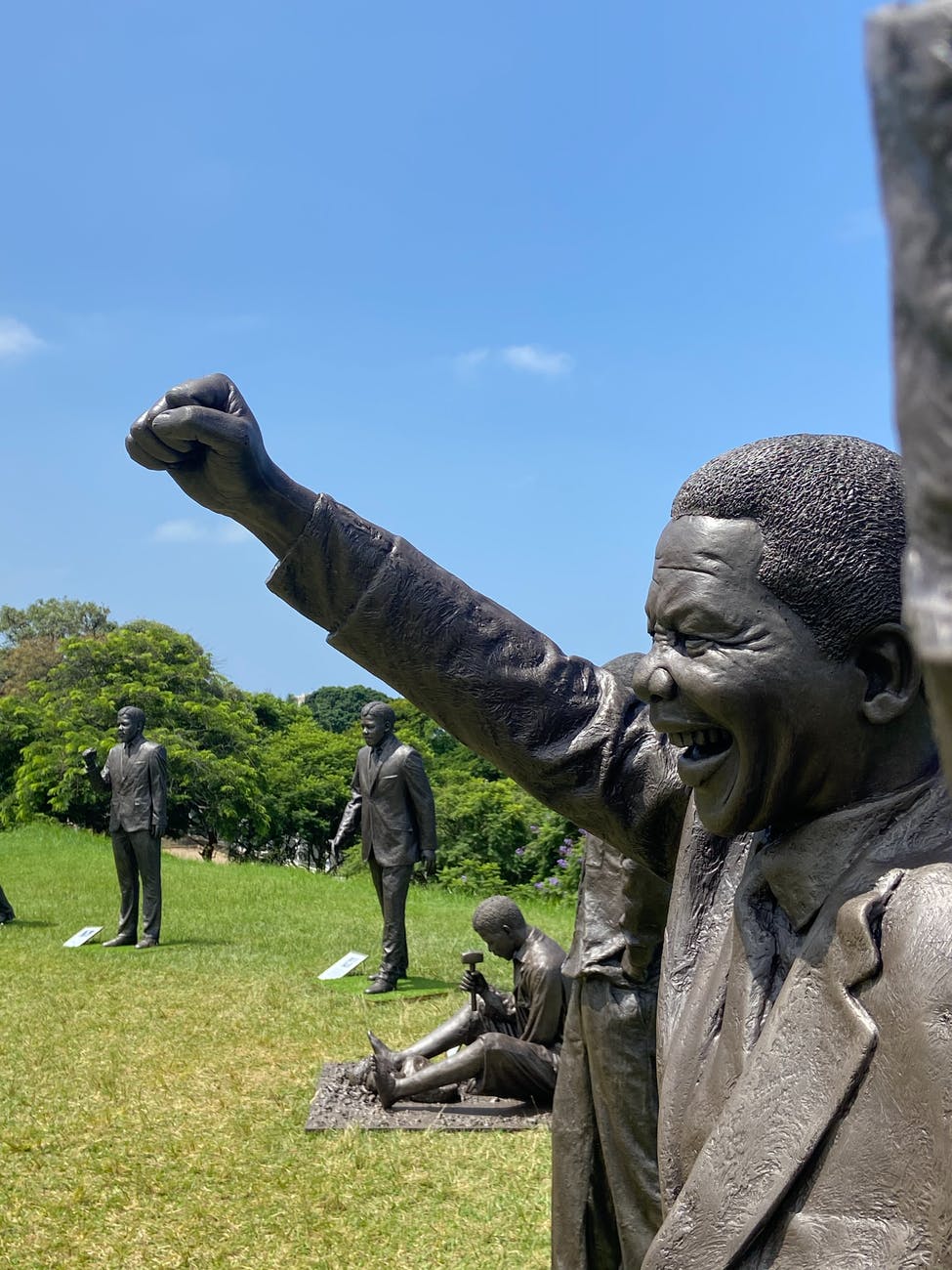
Photo by Minenhle Shelembe on Pexels.com

On 18th July every year, communities and individuals from every corner of the world usually assemble to commemorate Nelson Mandela International Day. Inspired by how the former late South African President consecrated his life to the service of humanity, and his concerted efforts to the breeding of culture of peace and freedom, the UN General Assembly in November 2009, singled out this special day to recognize his contributions to race relations; conflict resolutions; promotion and protection of human rights; gender equality and the rights of children and other vulnerable groups; eradication of poverty; the promotion of social justice. The first UN Mandela Day was held on 18 July 2010.

According to the UN General Assembly, resolution A/RES/64/13 acknowledges his contributions to the struggle for democracy internationally and the promotion of a culture of peace throughout the world. This year’s theme centers around, “Do what you can, with what you have, where you are.”

Photo by Magda Ehlers on Pexels.com

Noteworthy, United Nations General Assembly (UNGA) in December 2015 opted to extend the spectrum of Nelson Mandela International Day to be also used to heighten humane conditions of imprisonment, raise robust awareness about prisoners being a continuous part of society, and appreciate the work of prison staff as a social service of particular importance. It adopted (A/RES/70/175) the revised United Nations Standard Minimum Rules for the Treatment of Prisoners and ratified that they should be known as the “Nelson Mandela Rules.”

Sticking to this year’s theme, it’s a great opportunity for communities in Kenya and the rest of the world, non-profit organizations, individuals, and other concerned stakeholders to intervene and celebrate this day by fighting poverty, social injustices as well as promoting peace because that’s what the late Nelson Mandela tirelessly advocated for. He ascertained that nothing is impossible, only determination is required to fulfill dreams. Citizens are encouraged to spend 67 minutes in service of others to promote peace and poverty which are classified as top factors reversing the country’s development keeping in mind that Kenya is expected to hold a general election in three weeks.
Photo by Jonathan Meyer on Pexels.com

Poverty and social injustices have been a ticking bomb not only in Kenya but also in other developed countries. Sadly, no lasting solution has been established to curtail its worrying effects. Kenya for some months now has been facing a rise in the cost of living pushing a good number of people to the undesirable edge. We are all encouraged to highlight the plight of food security and even climate change in harmony with this year’s theme.

The next government of Kenya should make enough efforts to eradicate poverty, high cost of living, violence against women, genocide, crimes, and other factors that deteriorates human societal values. Individuals in the society commemorating this day should volunteer and help their less privileged neighbors by donating food and other basic needs. Most importantly, they should be at the forefront of advocating for peace and social justice.

People around the world should dedicate 67 minutes to serving the needy in community services as a tribute to the late President and his legacy. Let’s engage in tasks that serve to offer fair and equal life opportunities, especially to the less privileged in society. Government and security agencies should take prompt measures to ensure the country is at peace and warn those who affect the peace, security, and wellbeing of the nation. Above all, sustainable development goals cannot be achieved by Vision 2030 if we will not eradicate all forms that are meant to reverse the country’s economic, social and political development.

Rodgers Otiso and Maxwell Kamau

The bluestar insider
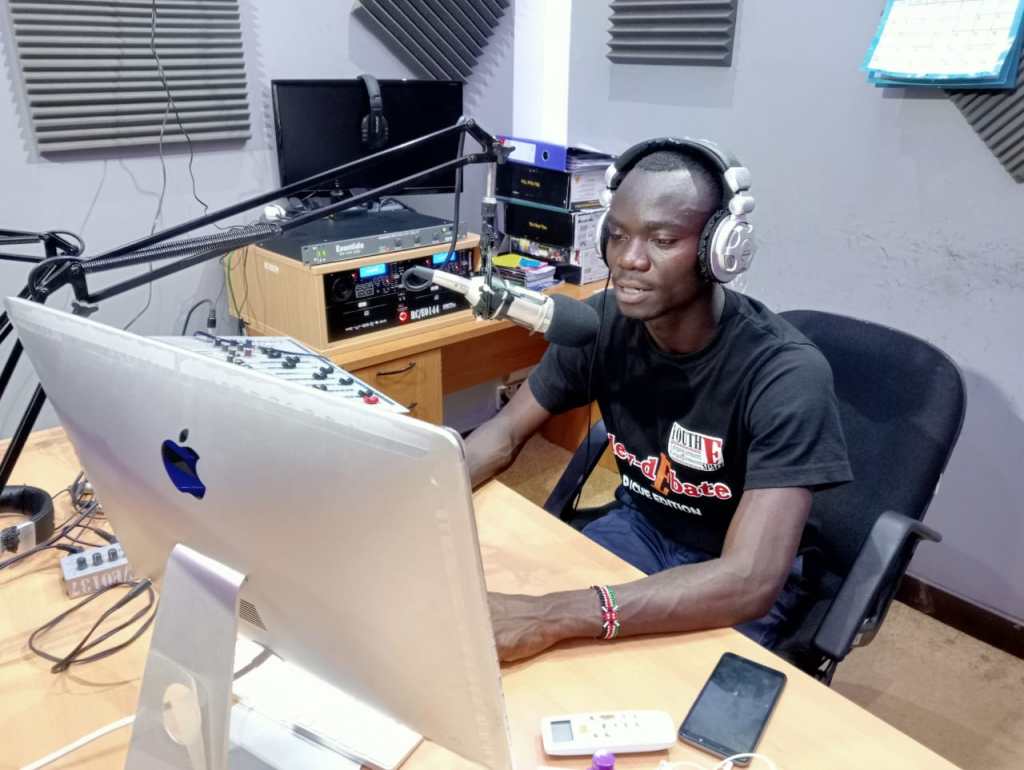
Antony Achayo, a prolific writer, leader and a passionate lad about politics


For the avoidance of doubt, who is Anthony Achayo?

photo courtesy

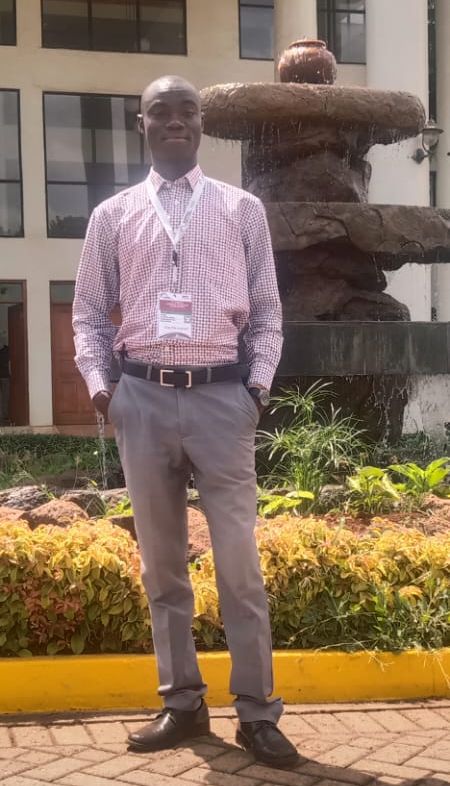
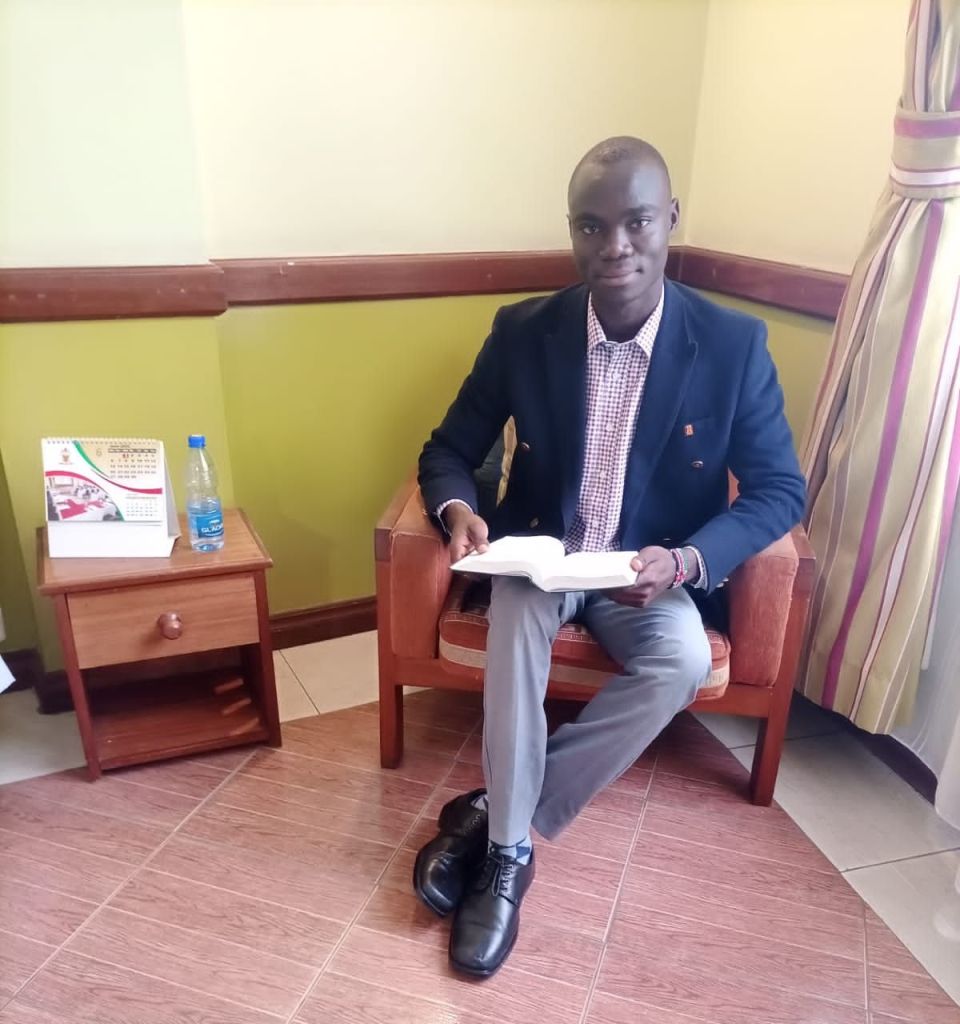
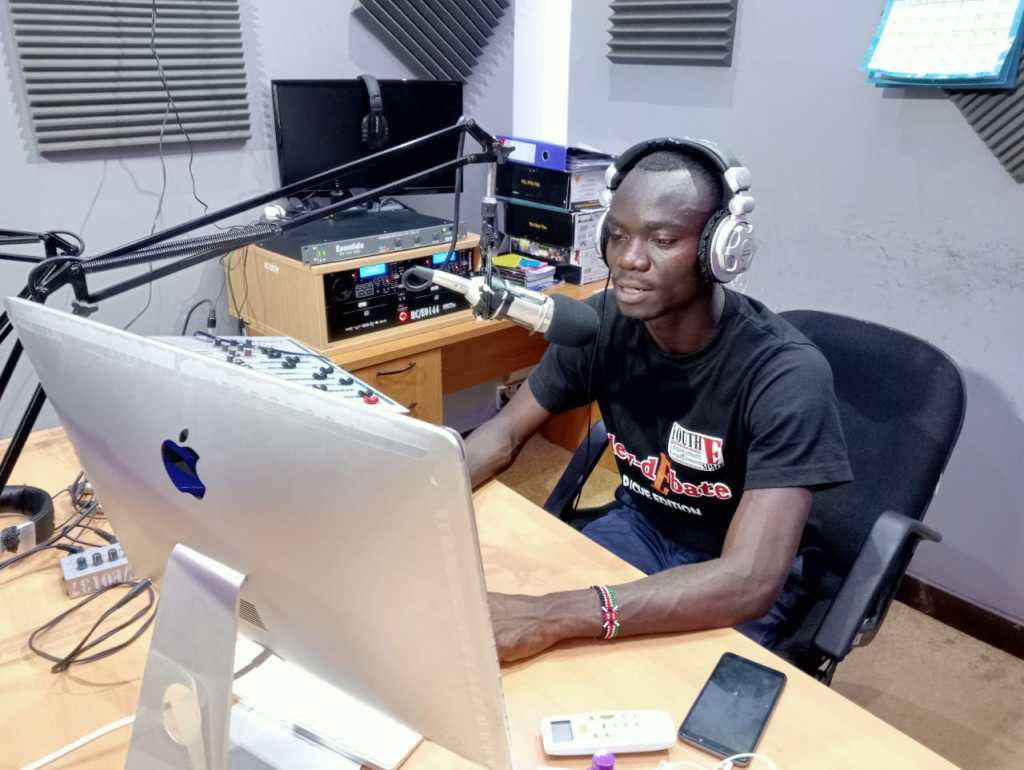
Anthony Odhiambo Achayo is a 22-year-old lad from Rarieda constituency, Siaya county. He’s a third-year student from Rongo University currently pursuing an undergraduate degree in Communication and Media Studies.

What was growing up like?

Life was tolerable. I can’t whine or complain because my parents played their responsibilities well by demonstrating to me their unconditional love and support. My smile today is a reflection of their nice work!

You are now the acting General Representative in the school of Information, Communication, and Media Studies (INFOCOMS) at Rongo University. What inspired you to venture into such a lucrative position?

photo courtesy

(Laughs). Having been in the school of INFOCOMS for the last year, I spotted some gaps that needed to be filled with someone who had a great passion for what the school majored in, that is, journalism. I felt that if the students got a chance to be led by such an individual then their welfare shall be well catered for. And without fear, I want to create and seal permanently my legacy.

What are some of your main roles?

As a general representative, my fundamental role is to make sure that our student’s welfare is well catered for. I also act as the intermediary between the students and the administration. My other role is to represent my school in the RUSA congress.

Describe your leadership style.

I enjoy sitting down with my fellow students whom I represent to get their opinions after which we discuss vividly how solutions can be reached.

What common challenges are leaders likely to encounter while in the line of duty? And how best can one overcome them?

Well, misunderstanding between the leaders and students is one of the major challenges that we experience. Therefore, we need to create ample time and understand one another for successful leadership.

You are also an incredible scribbler with several bylines in politics, business, lifestyle, and education. Tell us more about your writing journey.

Photo courtesy

Writing has been my passion since primary school. In my first year at the university, I experienced a greater transformation as far as writing is concerned when I met Mr. Jackson Ngari — a fellow communication student and a freelancer. Jack as most of the students calls him, mentored me in article writing for both online and print media. In the beginning, we joined hands with other three prolific writers to produce our first ever article which was published on one of the leading websites. That motivated me and today I am a renowned writer for major mainstream publications under the sun.

Larry McEnerney, a former program director at the University of Chicago’s Writing Program once said that writing is not all about conveying your ideas to the readers; it is about changing their ideas. How do you achieve that as a writer?

I always achieve this through writing on matters that I am very conversant with hence this enables me to write without limit and through this, I easily change my reader’s perception of the world.

Photo by Lisa Fotios on Pexels.com

Writing has indeed introduced you to innumerable opportunities. Share with us your latest grab.

Writing has unlocked for me uncountable doors. An essay competition that was organized by Kenya Institute for Public Policy Research and Analysis (KIPPRA) offered me the chance to attend a four-day seminar at The Kenya School of Government, Nairobi. It was an honor and I felt motivated to pursue more and more.

On 11th June 2021 your article titled, “A free press means a more society; let media freedom reign” was published in the Daily Nation newspaper, and you were defending the freedom of journalists. How has the freedom of the press been undermined in the country? And what needs to be done to ensure that media freedom reigns forever?

Photo by Knelstrom ltd on Pexels.com

Press freedom has been majorly undermined by those in power and even the general public has on several occasions been denying our journalists access to news sources. Journalists face violence and intimidation for exercising their fundamental rights to freedom of expression. The range of threats they are confronted to include murder, kidnapping, hostage-taking, offline and online harassment, intimidation, enforced disappearance, arbitrary detention, and torture. A free press benefits all of us because it informs citizens, contributing to a people’s pool of knowledge. It also provides citizens with a means of calling attention to violations of their rights. So journalists should be left free to do their job as long as they abide by the code of conduct for the practice of journalism.

As a leader and an avid writer, who has been your source of strength and inspiration?

Whoever has always been there to motivate me to keep on pressing stands to be my source of strength and inspiration to me.

Tell us the happiest day in your life so far.

The day my first article; ” How radio Maisha fired up my interest in journalism” was published in the Standard newspaper.

What about your most embarrassing moments?

(Laughs). Not really, I have never experienced any embarrassing moments because I am always keen on all my moves.

How do you spend your weekends?

Since I am a writer, I normally spend most of my weekends reading books and doing research for any of my upcoming feature stories. I am also an ingrained melophile, meaning the music is the soundtrack of my life.

Any advice to your fellow youths outta there?

Do whatever you are doing with a lot of passion when the opportunity shows up.

The blue star insider

BY MAXWELL KAMAU

How to write an article that will engage your readers

Photo by Ketut Subiyanto on Pexels.com

Believe it or not, there is a science of writing articles that will keep your readers engaged until the very end. It’s not difficult, but there are a few things you can do to make sure your writing is as effective as possible.In this post, we’ll share some tips on how to write an article that will keep your readers hooked.

Follow these guidelines and you’ll be churning out engaging content in no time!

Start with a catchy title

Photo by Brett Jordan on Pexels.com

When writing an article, the most important thing is to grab your reader’s attention right from the start. One way to do this is with a catchy title.

Think about what your readers want to know and what will interest them. Then, create a headline that will entice them to read more. Make sure you keep it relevant to the topic of your article. A good headline will help engage your readers and get them interested in learning more about what you have to say. Write a big plus that attracts readers. You’ve heard it before: you only have a few seconds to make a good impression. The same goes for articles. If you want readers to stick around, you need to start strong. So how do you write a lead that will engage readers? It’s about grabbing their attention and making them want to read more. You can do this by using a strong statement, a provocative question, or an interesting fact. Whatever you choose, make sure it’s relevant to your topic and grabs the attention of your readers.

Photo by cottonbro on Pexels.com

Use short paragraphs and sentences

One of the best ways to engage your readers is to use short paragraphs and sentences. This not only makes your article easier to read, it also helps you pack a lot of information into a small space. When writing, try to focus on one main point per paragraph and use clear, concise language. This will help you keep your readers attention and make sure they don’t get lost along the way.

Write to your audience.

Photo by Pixabay on Pexels.com

When writing an article, it’s important to keep your audience in mind. You have to think about what they want to know and what will interest them.

It is also vital to stay true to your voice and style. Don’t try to write like someone else and don’t use terminology your readers won’t understand. Be yourself and let your personality shine through. The best way to connect with your readers is to be genuine and helpful. Don’t be afraid to show your human side – after all, we’re just people trying to figure things out.

Use strong verbs

Photo by Pietro Jeng on Pexels.com

When it comes to writing, the use of strong verbs is the key. They help paint a clear picture in the reader’s mind and make your writing more engaging. For example, if you talk about someone going for a run, you might say “she sprinted to the finish”. This phrase is more engaging than “she ran to the finish”.When writing, try to use action verbs as much as possible. They will help keep your readers interested in what you have to say.

Engage the five senses.

A great way to engage your readers is to appeal to their five senses. When you can get them to photograph and hear what you’re writing about, they’ll be more likely to stay there until the end. Start by describing what the reader is seeing. Paint a picture with your words and help them visualize the scene in front of them. Next, describe what the reader feels. Use adjectives to create the sense of touch, smell and sound. Finally, provide a conclusion that ties everything together and leave the reader with a takeaway message. If you are stuck, try to come up with a list of sensory words that you can use as inspiration. Some examples are: visual, auditory, gustatory, olfactory and tactile.

Photo by SHVETS production on Pexels.com

Your conclusion

Write from the heart. When you write from the heart, your passion for the topic will shine and engage your readers. Make it interesting.

When your readers finish reading your article, they should feel like they’ve learned something new and interesting. Be clear and concise. Don’t stuff your article with lint just to make it long enough. Keep your points clear and concise so your readers can understand them. Be specific. Check your facts and make sure your information is correct before posting it.

Photo by cottonbro on Pexels.com

Be conversational, yet avoid trite, filler language. Use phrasing that is memorable and helps create a picture in the reader’s mind. Provide meaningful insights and perspectives in an article that increase the value of the article and the likelihood of its pick-up by media. Opinion is fine, but hype is counterproductive.

The blue star insider

By JOE MWANGI

Address issues faced by vulnerable groups in health care

Photo by Miguel u00c1. Padriu00f1u00e1n on Pexels.com

Kenya’s Vision 2030 is a development programme that was introduced by the former President Mwai Kibaki.

He had an objective of transforming Kenya into a newly industrialising, middle-income country providing a high quality of life to all its citizens by 2030 in a clean and secure environment.

One of the definitive ways that the government was going to provide a high quality of life to all its citizens is through the provision of universal health care without fear and discrimination.

Access to quality health care is a constitutional right.

Photo by Disha Sheta on Pexels.com

Different health facilities equipped with medical equipment have been established to ensure every citizen enjoys high-quality health services.

Sadly, the vulnerable and marginalised groups have, for a long time, been encountering challenges when it comes to accessing their health needs.

Vulnerable populations most often include children, women, displaced people, ethnic minorities, the aged, people with disabilities, or those suffering some disease.

Photo by Pixabay on Pexels.com

Their experience with health inequities is rooted in a lack of political, social, and economic power.

According to Africa Policy Journal, health inequities occur often on a socioeconomic scale, whereby there is an increased health gap between the poorest and the remainder of the population.

This has prompted the unfair distribution of service delivery that doesn’t meet the specific needs of vulnerable and marginalised groups.

Discrimination has taken the lead placing the no voice group with limited resources at a very high relative risk for morbidity and premature mortality.

Photo by Daniel Reche on Pexels.com

Research conducted by International Journal For Equity in Health reveals that while the incidence of catastrophic healthcare expenditure is two per cent among individuals in the richest quintile, those in the poorest quintile have a catastrophic health expenditure incidence of 10 per cent.

A study exploring patients’ experiences during delivery after the introduction of free maternity services showed that women reported being neglected during delivery or labour and being physically and verbally abused.

Photo by Karolina Grabowska on Pexels.com

In terms of health insurance coverage, 39 per cent of Kenyans in the richest quintile have health insurance compared to three per cent for those in the poorest quintile.

In pursuit of seeking their standard health rights, the poor are, however, experiencing countless setbacks, especially those residing in far-flung areas.

They have to travel long distances to access their health needs.

Photo by Nipan Chawcharernpon on Pexels.com

Lack of public transport, poor condition of the roads, and high costs are some of the contributing factors limiting access to health facilities.

Informal fees have also exposed the poor to out-of-pocket payments pushing them further down the poverty line.

They fear visiting the facilities since they might incur expenses that are beyond their capacities.

The vulnerable and marginalised groups are subjects of discrimination by health workers.

They are neglected and most health services are being offered to the rich families first.

Continued strikes, lack of sufficient medical equipment, shortage of medical workers, and embezzlement of public resources are among the leading barriers that hamper access to care.

Photo by Pixabay on Pexels.com

To expand service coverage for this particular group of people and strengthen the effectiveness of financial health reforms, let the government establish more easily-accessible health facilities.

Good governance can also help in the restoration of equity among communities.

The state should also ensure there are enough medical personnel who can execute their duties responsibly.

Photo by Miguel u00c1. Padriu00f1u00e1n on Pexels.com

Health facilities should also have improved medical equipment, and sufficient drugs and issues of occasional strikes must end.

The blue star insider

By MAXWELL KAMAU

Social media and your mental health; why you need to watch out

Photo by Pixabay on Pexels.com

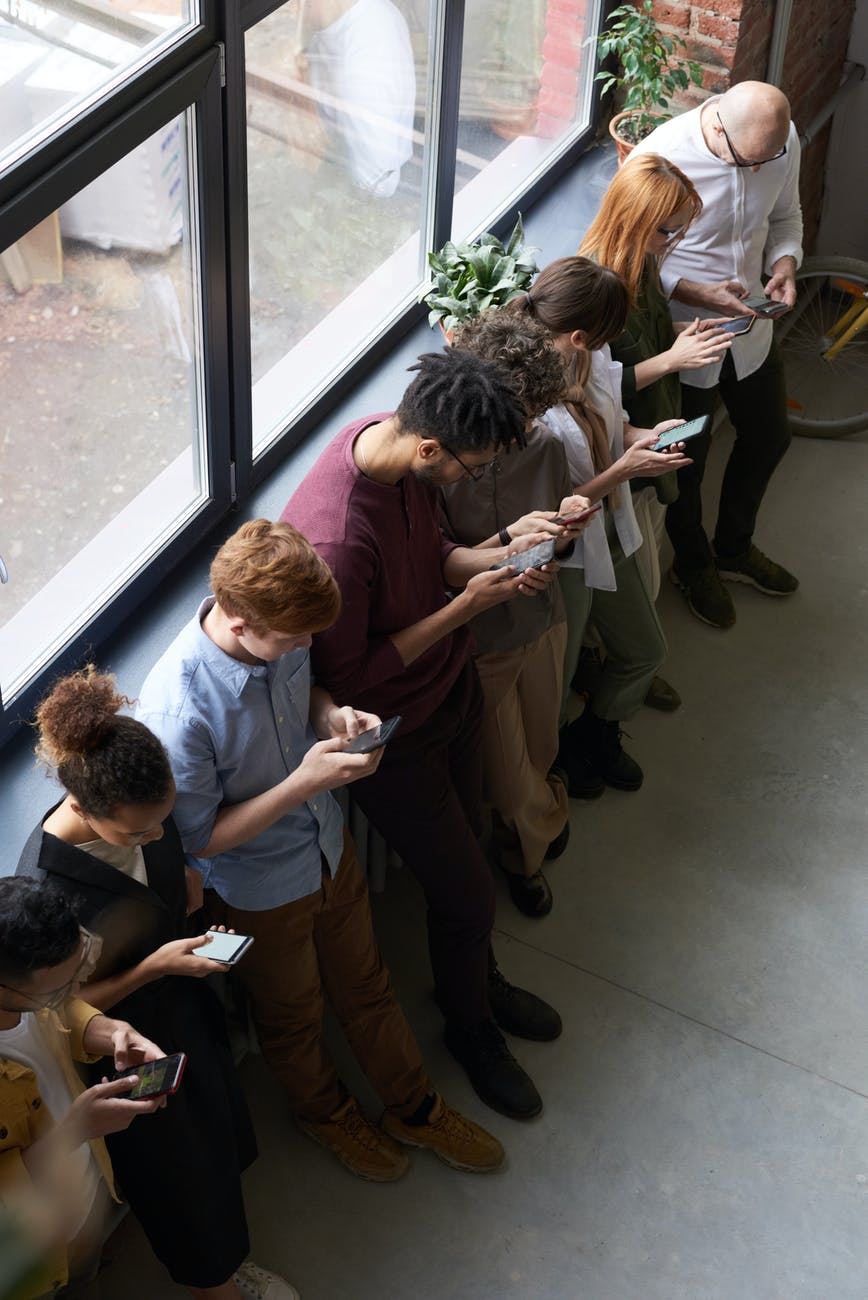
The rapid growth of social media as a new medium of communication has enhanced and promoted connectivity between communities, not only in Kenya but also in other parts of the world.

Online platforms like Instagram, Twitter, Snapchat, Facebook, TikTok, and others provide a virtual interactive environment where communities around the world can connect and share, get news and information and even meet new people every day.

This has even prompted the proliferation of new social media users every year. According to Kepios special report, the analysis reveals that social media users in Kenya increased by 750 thousand (+6.8 percent) between 2021 and 2022.

Photo by fauxels on Pexels.com

Just to mention, social media has been used to increase awareness of mental health because of its rapid use and growth globally. However, despite evidence of a growing trend in social media use in sub-Saharan Africa and particular Kenya, little has been reported or done on tapping the potential of social media within a mental health practice to not only increase awareness but also, how its users – be it adults or teenagers can help or prevent themselves from falling to the jaws of mental ill-health online whilst surfing through their social media platforms.

Photo by Madison Inouye on Pexels.com

For a decade, these popular social networking sites have presented to us so many benefits, the main one being enhanced connectivity that facilitates easier communication between communities. But despite all those positive ends, there have been downsides too; most victims being the college-aged young adults who have grown up in a world of screens.

Spending too much time engaging with social media can make you feel more lonely and isolated—and exacerbate mental health problems such as anxiety, depression, and suicidal thoughts.

Recent studies referenced by The Child Mind Institute and The National Center For Health Research suggest people who frequently use social media feel more depressed and less happy with life than those who spend more time on non-screen-related activities.

Notably, most active users of Twitter, Facebook, and TikTok usually pay more attention to the content they share. People post either videos or pictures of themselves to get more likes or comments (engagements) from their online friends. If they don’t get the feedback they desire, they feel disappointed or invalidated.

Photo by Inzmam Khan on Pexels.com

Worth noting, that comparing your posts to those other people who receive a lot of reactions from their online family can cause a feeling of disappointment, low self-esteem, a distraction from other tasks, and even feelings of anxiety or depression.

If one is exposed to such a life online and their real-life does not match those expectations, they are likely to lose their self-esteem and view themselves as losers; sinking into a state of worthlessness, helplessness, and desperation.

Photo by mikoto.raw Photographer on Pexels.com

For some years now, several studies have found a relationship between the use of social media and some mental disorders. Findings have even led to the suggestion that a new mental disorder is recognized and be given the name, Internet Addiction Disorder.

Exposure and excessive use of social media apps and websites have also led to cyberbullying which has dire consequences on our mental health. 10 percent of teens report being bullied on social media and many other users are subjected to scurrilous comments.

Photo by Ricardo Ortiz on Pexels.com

Social media platforms such as Twitter are hotspots for spreading hurtful rumors, tribalism, body shaming, lies, and abuse which damages our mental health by causing lasting emotional scars.

Unfortunately, it is impossible to notice and recognize a person suffering from any mental health condition just from their social media.

Other users experience the so-called “Fear of missing out” (FOMO). They keep on returning to social media every time. Many fear that they might miss either a conversation, discussion, latest news, gossip, or invitation. So to remain updated, social media remains the only option that can quench their thirst.

Photo by MART PRODUCTION on Pexels.com

Furthermore, social media addiction has resulted in the disruption of normal sleeping patterns. Lights from your phone can disrupt your sleep, which in turn can have a serious impact on your mental health.

There are an estimated 3.9 billion users of social media in the world today. Facebook, YouTube, and Instagram each claim more than two billion subscribers! Kenyans have not been left behind and an estimated nine million subscribe to various media platforms.

In conclusion, It is ironic that while social network platforms were meant to enhance relationships, on the contrary, overuse of these sites normally corrodes our interactions with others. Mental health today continues to manifest itself as one of the biggest challenges we face. Increasingly, social media is revealing more and more cases of people doing and saying questionable things.

Photo by Ola Dapo on Pexels.com

Conclusively, if those near you complain of neglect as you spend time on your gadgets, take note and do something about it before it is too late. Individually, it is advisable to make a habit of a self-regulation mechanism whereby one decides that they will only check their social media at certain given times during the day — and stick to the routine. Likewise, an individual can also see a therapist, who is capable of diagnosing any underlying psychological issues that might be making them spend hours searching for solace on social media.

By Maxwell Kamau and Jackson Ngari
Email address: maxwellkamau685@gmail.com

The Storm won’t last forever and a day; there is always that light at the end of the tunnel

As human beings, life as a habit usually presents to us the good, bad, and ugly sides. Nonetheless, it all depends on how we approach these formidable hurdles. At times, the challenges that life brings forth to us are too elephantine such that it pushes one to the verge of abandoning his or her dreams. It is in these tiring moments that a person is left with double bind druthers; to either drop like a hot potato or soldier on.

Noteworthy, it hugely depends on how bold or weak an individual is. All of us have different and unique storylines of how life has treated us. For instance, you may find that some people have the requisite in-built expertise to face different storms whilst others are not great when it comes to dealing with overwhelming storms. Irrespective of this, we must keep in mind that despite how wrenching certain circumstances are, at the end of every struggle, hope is guaranteed.

Maxwell’s Note: With regards to this, allow me to shed some light on how I managed to remain unshakable despite the twists and turns that life offered to me in my early high school olden days. During that time, my life was so destitute that my parents couldn’t even afford to raise my requisite fees, together with that of my other two siblings.

Life then was so unbearable that we occasionally slept hungrily, and missing my classes had become a shameful routine. We were in the jaws of poverty. Our lives had taken another dire dramatic twist and our life status, of course, was deplorable. Those ugly experiences made me become a worrywart. I was posting good grades, yes, but why was poverty massaging me like that?

My dreams were too important and even just a thought of letting them fade away, sent a trickling sensation down my throat but I recalled that life is a process, and every living soul must taste the sweet and sour part of every stage. It is battle after battle until we come out clean and as winning agents. Down on my knees, I forwarded my sincere prayers to God and asked Him for wisdom and strength to soldier on.

I was well aware that those temptations were ephemeral and no matter what challenge I was facing, I had to keep braving on. I dedicated my whole time and energy to books. Temporary barriers couldn’t deter me from making a milestone. Albeit, I was a young and feeble man, I had chosen the road to tread because I knew that in the end, my son was shining from there.

I struggled until I posted an excellent performance. Out of nowhere, a good Samaritan recognized my efforts and agreed to help me clear my fees balance so that I could access my form four certificates. Right now as I am typing this, I am currently at the University Pursuing my dream course.

Conclusively, just like S. L Jennings, the author of “Fear of Falling” said in her book, “…just remember, the storm doesn’t last forever. It can scare you; it can shake you to the core. But it never lasts. The rain subsides, the thunder dies, and the winds calm to a whisper. And that moment after the storm clouds pass, when all is silent and still, you find peace. Quiet, gentle peace.”

Lastly, till the cows come home, learn to toughen your inner self as you put your shoulders high since you never know what lies ahead.

By Maxwell Kamau & Jackson Ngari

The Bluestar Insider

Women Living With Fistula Are Humans Too; End Discrimination Against Them

With over two million women living with fistula globally, the WHO estimates that 50,000 to 100,000 women worldwide each year are affected with obstetric fistula, which is the abnormal opening that occurs between the women’s genital tract and her urinary tract. This type of fistula is the major cause of maternal mortality and obstructed labour among the women.

Pexels

Women who live with obstetric fistula suffer from constant shame, social segregation and other health problems. This fistula occurs when a mother has a prolonged, obstructed labour and doesn’t have access to immediate medical attention.

Some of the risk factors for fistula is teenage pregnancy, where you find the teen will give birth in a normal way, during giving birth, it leads to breaking of the genital parts of the teen. Poor access to medical care or the late access to medical attention when in labour pains is also one of the biggest factors with  malnutrition and obstructed labour. The symptoms may include foul smell due to vaginal discharge, repeated urinary tract infections and pain in the virginal and during sex.

Pexels

With countries like Burkina Faso believing that women with fistulas are cursed and they should be killed or isolated, and it is not a medical condition as medical doctors say, it has led to stigmatization of women living in that part of Africa.

Stigmatization among the fistula patients comes in different forms that explicit verbal abuse and devaluing them to be with others; women’s own anticipated stigma fearing that people may talk about her; and woman’s internalized stigmatization and revealed as being shameful, loss of self- worth, and self- importance. Thus the significant women affected by obstetric fistula isolate themselves from social interaction and leave their usual household roles, refrain from disclosing their situation, they avoid even seeking healthcare, and thus may suffer different mental problems, all of which lead them to be unable to contribute positively to their society’s social, economic, and political development.

Pexels

Obviously, stigmatization causes the majority of women living with obstetric fistula to experience severe psychological traumas including humiliation, being marginalized, abandonment, loneliness, divorce, and despair, which are the most difficult situations to bear. Also, they experience angriness, sadness, and shame associated with their inability to undertake their role in a decent manner, and being frightened of their future life in relation to having partners, marriage, sex, becoming pregnant, giving birth, and reintegrating back in their local communities. Overall, stigmatization related to genital fistula has devastating health, social, economic, and psychological consequences on the health and well-being of the affected women, which in turn affects their rehabilitation and reintegration to their families and communities even after successful fistula repair. A number of strategies should be put in place to enable the affected women to be free from stigmatization, and also to encourage them to seek healthcare quickly and live freely a productive life after fistula treatment.

Pexels

To reduce the perceived level of stigma and therefore to prevent the severe negative consequences of it, not only fathers, but also mothers, husbands, family members, and all the persons close to women living with genital fistulas should provide care and psychological support and all the necessary means to strongly encourage them to seek health care quickly, and to make them feel that they are beloved, and that there is hope for a healthy life in their near future. The government should also join in the fight against stigmatization of these women; let us offer love, care and attention to them.


Bluestar Insider

Aggrey Karani is an undergraduate student pursuing Bsc in communication and journalism at Rongo University.


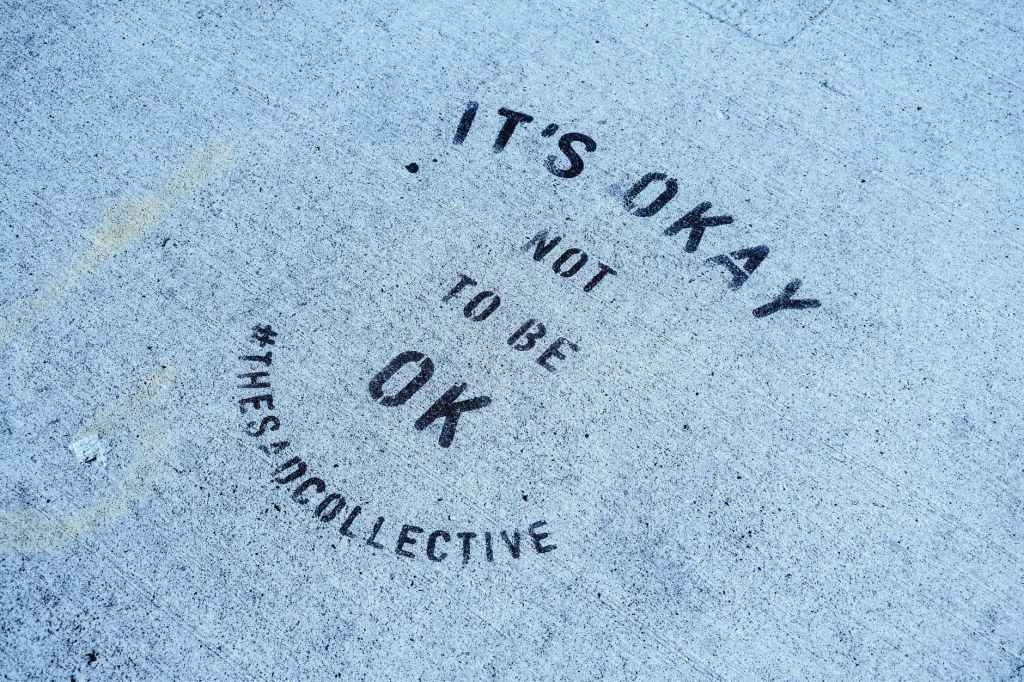
It’s Okay Not To Be Okay


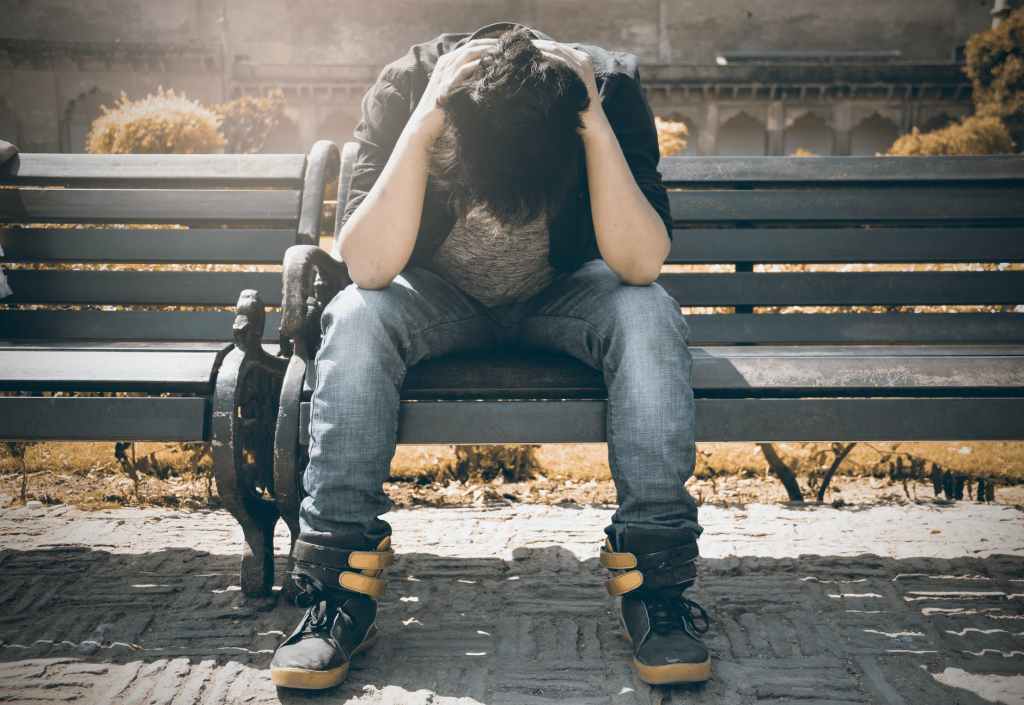
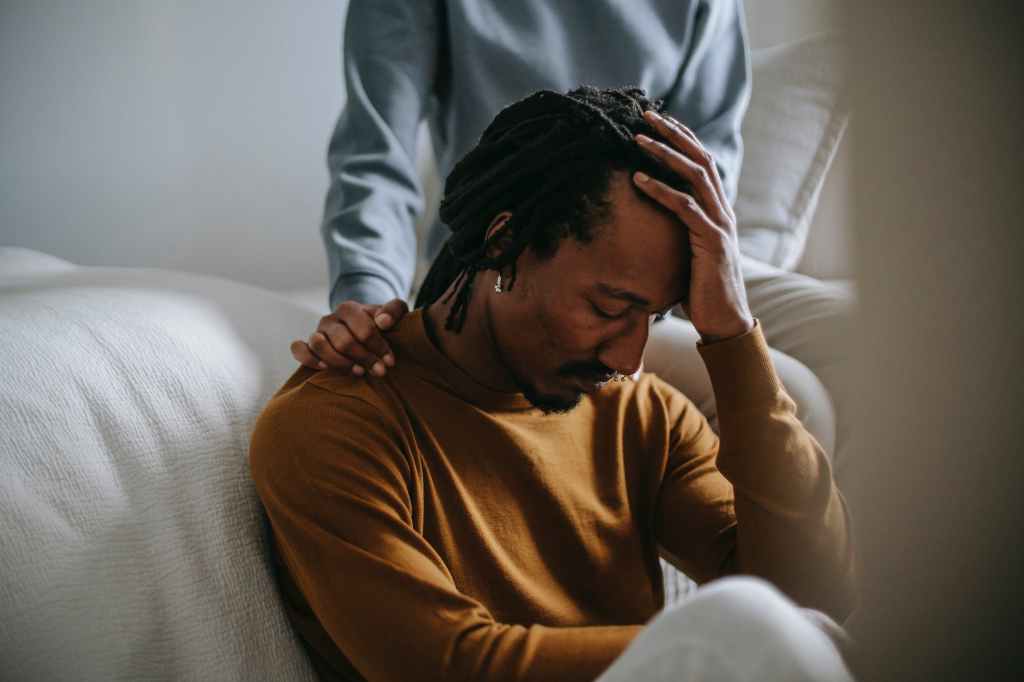
So many of my friends and other people I know are depressed and unhappy, yet they wouldn’t want to open up to anyone either because they want to go through their issues alone while bottling up thing’s, or because they just want to put it out there due to reasons best known to them.

Pexels

 So here’s me writing a letter to my depressed friends promising them that everything will be okay at the end of the day.

Dear depressed friend,

 Look, I know that right now, things seem chaotic. Your job isn’t your favorite, your anxiety is eating at you, and your bank account looks frightening. There’s a lot on your plate right now.

Pexels

Maybe that’s not exactly what you’re going through, but I’m pretty sure that you’ve been occupied with your hustles.  You’ve been dealing with a lot. Everyone has their own struggles, their own issues to work through, and sometimes things don’t turn out the way you want them to. We are all humans and humans are prone to errors.


Pexels

I know you don’t feel like doing much these days and even reading or viewing my status updates or Insta stories would be a great task for you but hold on for a few moments, will you? I promise I won’t ask you to get over it or tell you that it’s all in your head. I just wanted to say sorry for all the shallow things the world has told you and for all the times people have misunderstood you.


It’s okay, you know? It’s not your fault. You’re not weak, you’re not “too emotional”. You are human just like the rest of us. Anyone who thinks you’re faking it or not man enough to hold your shite  together doesn’t deserve your attention. Anyone who thinks you’re not trying at all doesn’t deserve your time. Anyone who underestimates your pain doesn’t deserve your company. I know it’s hard for you and trust me, you can take as much time as you want. You are above everything, just remember that.


I know it will be so stupid and so insensitive of me when I tell you that you’re not alone because at the end of the day, it’s only you behind a locked door, crying the life out of yourself. But even if you lock the door, I just wanted you to know that I’m on the other side, waiting for you to come out. I won’t knock because I don’t want to rush you. I know you need your time and I respect that. I’ll be standing right over here, now and always.


I’m so sorry you have to go through this, but please hold on for some more time, I need you. We all need you. Life is not the same without you around, it would never be. I’m waiting for your victory in this battle against yourself and I swear I won’t lose hope cos’ I’m rooting for you all the way up. Let’s be on the same team, okay?


Pexels

It’s okay to be different; it’s okay to feel things. It’s okay to want to cry, to be angry, to feel negative emotions. Finally, When depressed, talk to someone by reaching out for help, advisably a trained psychiatrist. Just think positive.” Happy thoughts or wishful thinking won’t cut it. Rather, the trick is to replace negative thoughts with more balanced thoughts. Think outside yourself. Ask yourself if you’d say what you’re thinking about yourself to someone else. If not, stop being so hard on yourself.

Pexels


You got this, dear friend.

 Bluestar Insider


By: Jackson Ngari, 20, student at Rongo University pursuing BSc in Communication and Journalism


A Message To The Wounded Soldier

Pexels

When good times roll
Our moods are always rejuvenated
Enchanted hearts
Higher and higher, they soar
By the fact that light has come out victorious over darkness.
Moved by our unwavering faith
Road to tread in life we’ve tentatively pinpointed.
We’ve devised new strategies that will keep us on the move
despite our interminable tussle with hardships
Notion that everything in life is viable
has been engraved on the defensive walls of our hearts.
Everytime our ventricles give a kick, courage steers the effort
Multiple signs are send into our minds
that we’ve to keep on pushing until it’s done!

Pexels

Worrywarts sometimes we become
we go further to an extent of questioning the choices we made in life
It has been a matter of trial and error
Again, trial and error. As dusk spread its wings everyday,
we retire to our beds with zero outcome.
The struggles that most of us are subjected to
can push our dreams to the cutting edge.
Feelings of resignation can set unfair limits to each of our goals,
and finally we’re forced to utter words that shut all possibilities of getting through.
“Let it be over!”

Pexels

But I’m here to tell you
before your fruits roll
before you succeed in life
Whirlwinds are there, and they lurk in every corner of our plans.
But consistency, prayers and hard work will serve you good.
Let the struggles, trials and failures you experience be a great source of strength,
strength to carry on.

The bluestar insider
BY MAXWELL KAMAU

STRUGGLES

Pexels

And when you see me going astray before men
Dissuade me for my own good.
The future is no longer what it used to be.
We’ve become victims of our own choices.
Hoping to find light in darkness.
Holding to practices that are tantamount to our downfall.
May be for once my cure could be found in the very poison.
But no!
No cure for who we are.
Can someone enlighten me on importance of being ourselves
Cause it seems I’m breaking the rules.
The enemy caught me unaware,
Masqueraded itself as a solution.
Trying to lure me with my desired comfort.
I forgive myself cause I didn’t know by then.

Pexels

I believe in my strength, not weakness,
That’s why I’m fighting even after the enemy identifies my weakness.
I’ll give it my best
Cause denial seems like self abnegation.
One day I’m going to end this storm before it rains on me uncontrollably.
And finally gain autonomy over self deterioration.

The bluestar insider

BY DENNIS OGOLA