
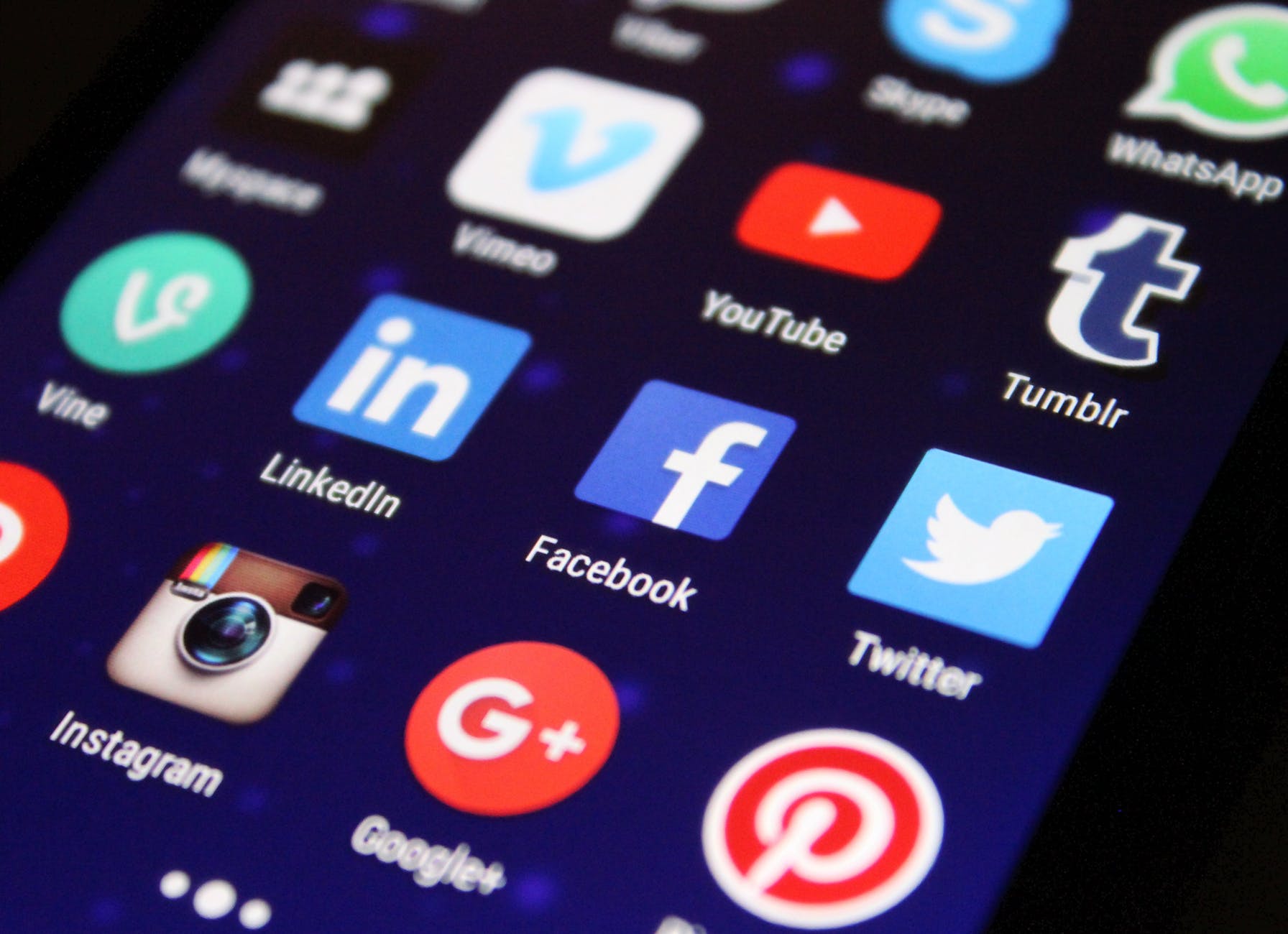
The rapid growth of social media as a new medium of communication has enhanced and promoted connectivity between communities, not only in Kenya but also in other parts of the world.
Online platforms like Instagram, Twitter, Snapchat, Facebook, TikTok, and others provide a virtual interactive environment where communities around the world can connect and share, get news and information and even meet new people every day.
This has even prompted the proliferation of new social media users every year. According to Kepios special report, the analysis reveals that social media users in Kenya increased by 750 thousand (+6.8 percent) between 2021 and 2022.
Just to mention, social media has been used to increase awareness of mental health because of its rapid use and growth globally. However, despite evidence of a growing trend in social media use in sub-Saharan Africa and particular Kenya, little has been reported or done on tapping the potential of social media within a mental health practice to not only increase awareness but also, how its users – be it adults or teenagers can help or prevent themselves from falling to the jaws of mental ill-health online whilst surfing through their social media platforms.
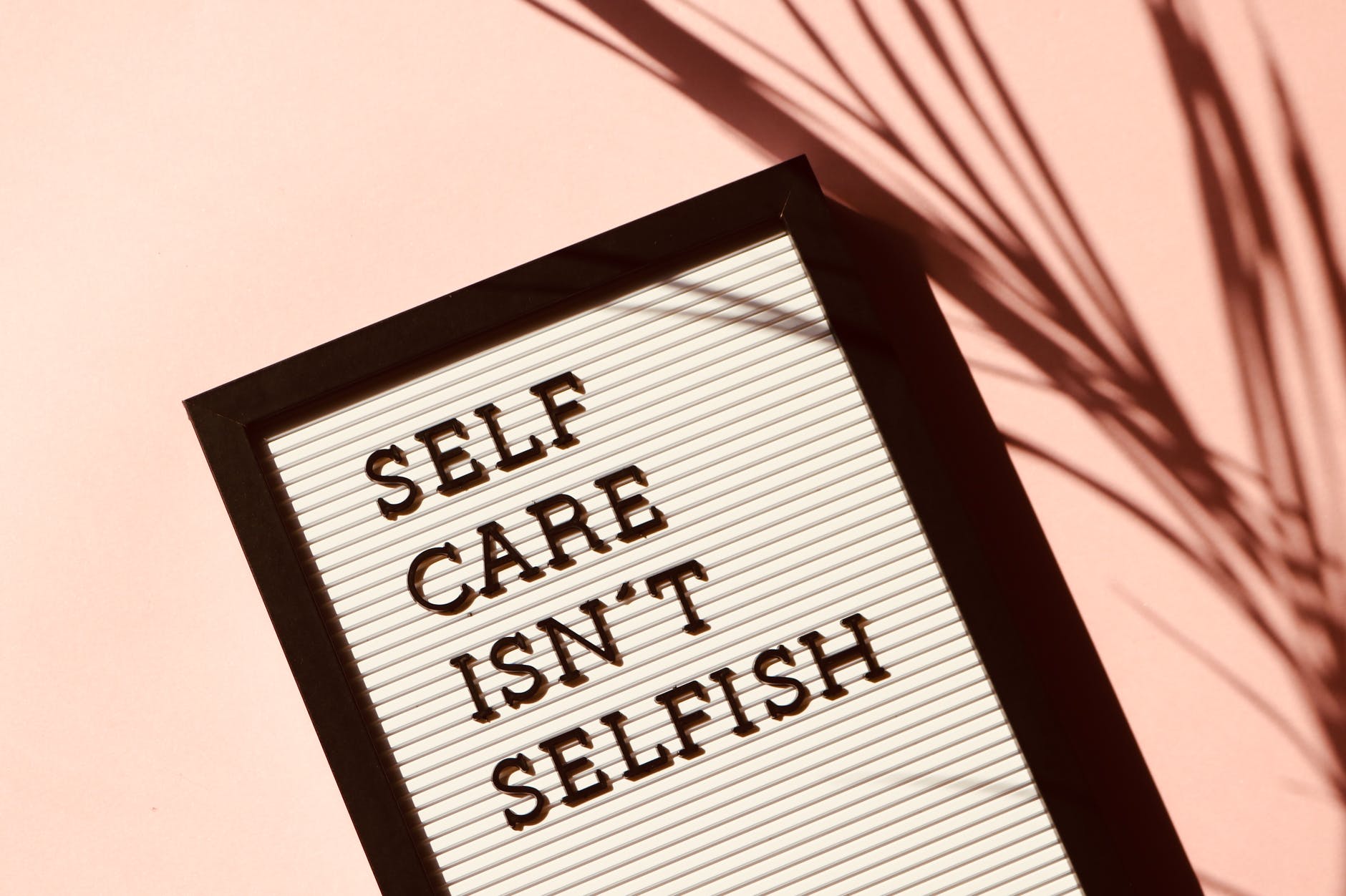
For a decade, these popular social networking sites have presented to us so many benefits, the main one being enhanced connectivity that facilitates easier communication between communities. But despite all those positive ends, there have been downsides too; most victims being the college-aged young adults who have grown up in a world of screens.
Spending too much time engaging with social media can make you feel more lonely and isolated—and exacerbate mental health problems such as anxiety, depression, and suicidal thoughts.
Recent studies referenced by The Child Mind Institute and The National Center For Health Research suggest people who frequently use social media feel more depressed and less happy with life than those who spend more time on non-screen-related activities.
Notably, most active users of Twitter, Facebook, and TikTok usually pay more attention to the content they share. People post either videos or pictures of themselves to get more likes or comments (engagements) from their online friends. If they don’t get the feedback they desire, they feel disappointed or invalidated.
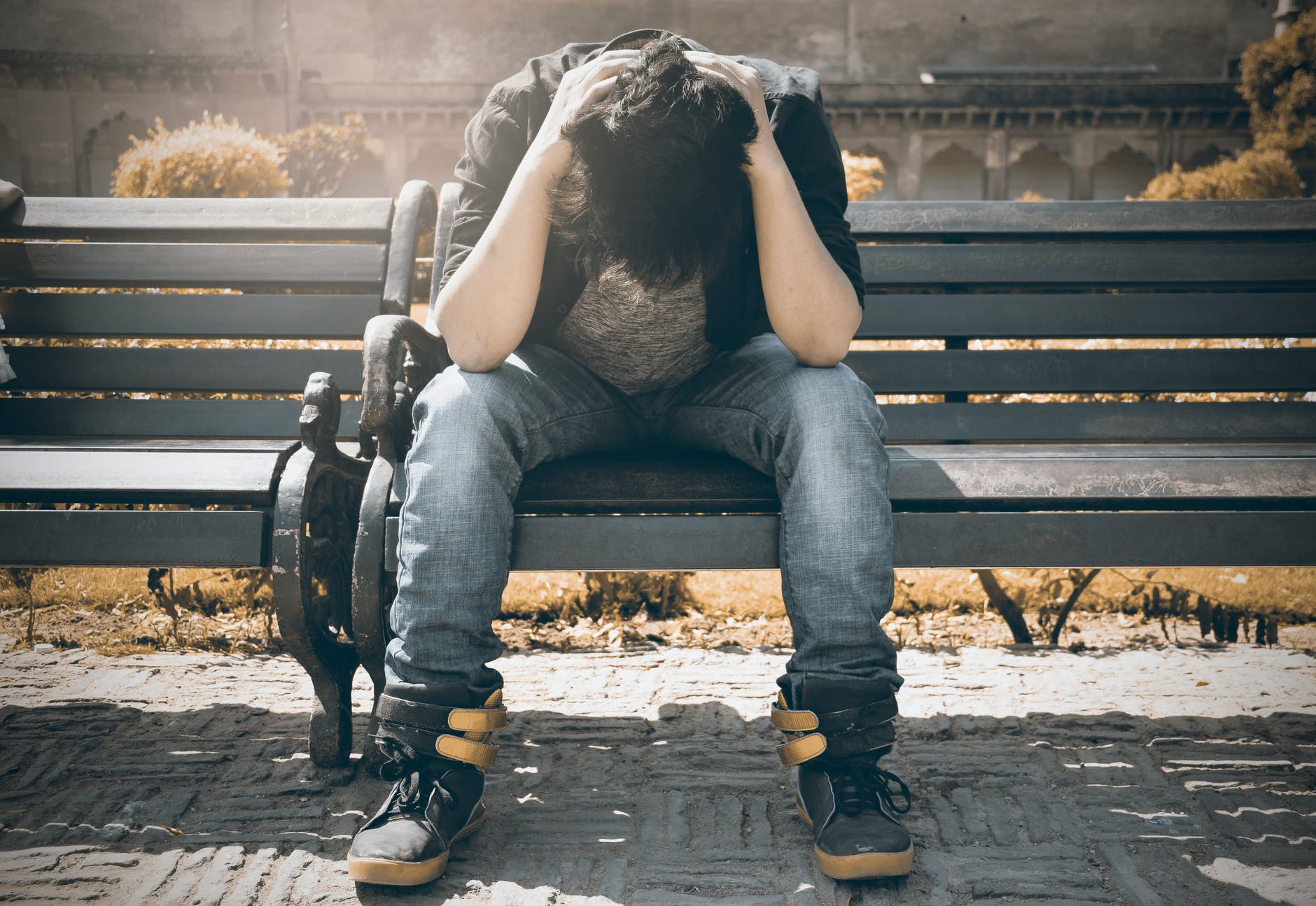
Worth noting, that comparing your posts to those other people who receive a lot of reactions from their online family can cause a feeling of disappointment, low self-esteem, a distraction from other tasks, and even feelings of anxiety or depression.
If one is exposed to such a life online and their real-life does not match those expectations, they are likely to lose their self-esteem and view themselves as losers; sinking into a state of worthlessness, helplessness, and desperation.

For some years now, several studies have found a relationship between the use of social media and some mental disorders. Findings have even led to the suggestion that a new mental disorder is recognized and be given the name, Internet Addiction Disorder.
Exposure and excessive use of social media apps and websites have also led to cyberbullying which has dire consequences on our mental health. 10 percent of teens report being bullied on social media and many other users are subjected to scurrilous comments.

Social media platforms such as Twitter are hotspots for spreading hurtful rumors, tribalism, body shaming, lies, and abuse which damages our mental health by causing lasting emotional scars.
Unfortunately, it is impossible to notice and recognize a person suffering from any mental health condition just from their social media.
Other users experience the so-called “Fear of missing out” (FOMO). They keep on returning to social media every time. Many fear that they might miss either a conversation, discussion, latest news, gossip, or invitation. So to remain updated, social media remains the only option that can quench their thirst.

Furthermore, social media addiction has resulted in the disruption of normal sleeping patterns. Lights from your phone can disrupt your sleep, which in turn can have a serious impact on your mental health.
There are an estimated 3.9 billion users of social media in the world today. Facebook, YouTube, and Instagram each claim more than two billion subscribers! Kenyans have not been left behind and an estimated nine million subscribe to various media platforms.
In conclusion, It is ironic that while social network platforms were meant to enhance relationships, on the contrary, overuse of these sites normally corrodes our interactions with others. Mental health today continues to manifest itself as one of the biggest challenges we face. Increasingly, social media is revealing more and more cases of people doing and saying questionable things.
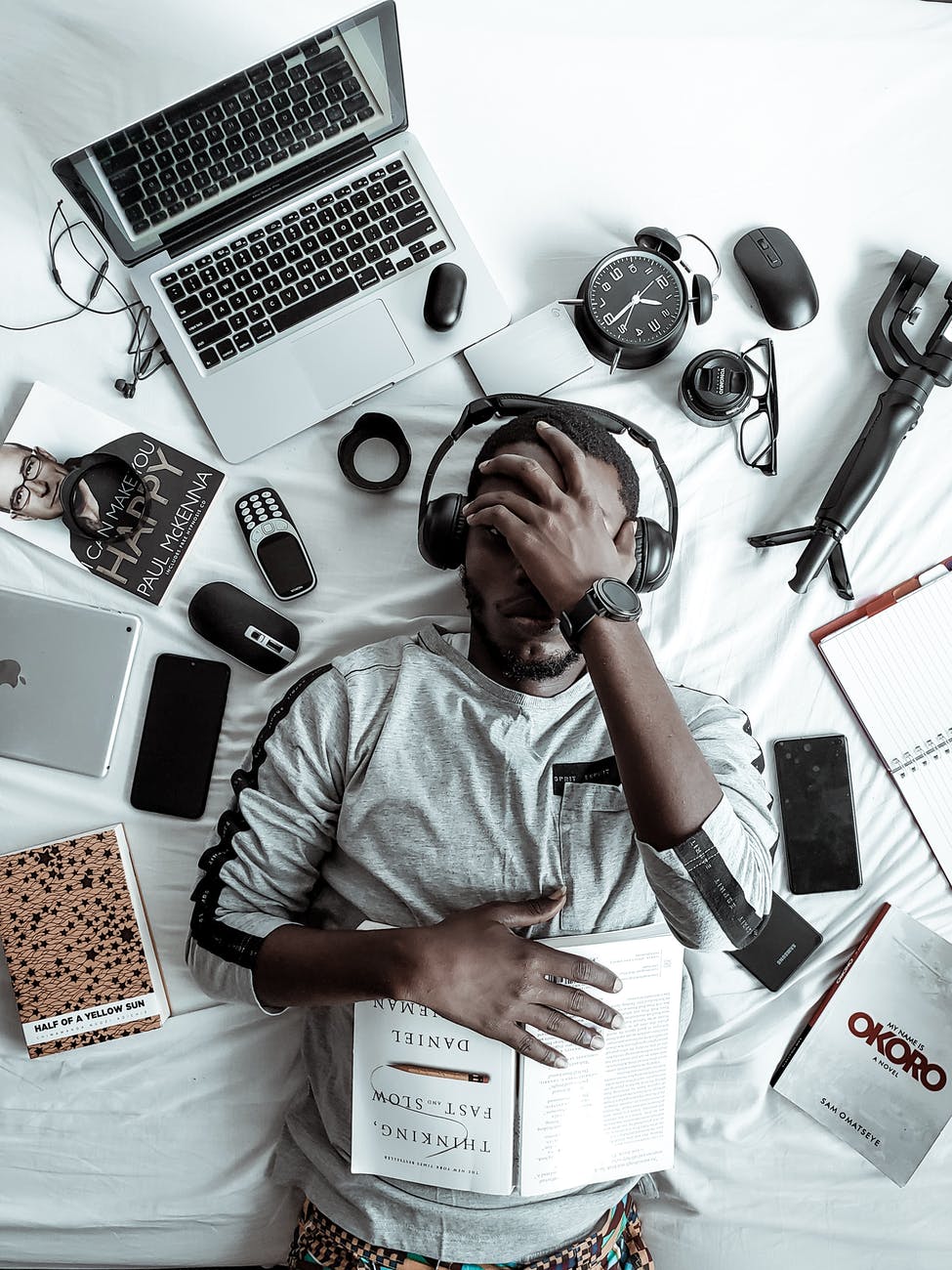
Conclusively, if those near you complain of neglect as you spend time on your gadgets, take note and do something about it before it is too late. Individually, it is advisable to make a habit of a self-regulation mechanism whereby one decides that they will only check their social media at certain given times during the day — and stick to the routine. Likewise, an individual can also see a therapist, who is capable of diagnosing any underlying psychological issues that might be making them spend hours searching for solace on social media.
By Maxwell Kamau and Jackson Ngari
Email address: maxwellkamau685@gmail.com
 THE BLUESTAR INSIDER