

Eggs

Eggs make a simple, nutritious breakfast choice. They’re an excellent source of protein, which helps support muscle synthesis. Since protein takes a while to digest, it also helps keep you feeling full.
The dish may support weight management, additionally, egg yolks contain lutein and zeaxanthin. These antioxidants help prevent eye disorders like cataracts and macular degeneration.
Eggs are also one of the best sources of choline, a vital nutrient for brain and liver health. Contrary to popular belief, eggs don’t raise cholesterol levels in most people despite their high cholesterol content. In fact, one review of 23 studies found that eggs have a mild protective effect against heart disease (7Trusted Source).
That said, try to limit your intake of highly processed breakfast items that are commonly paired with eggs, such as breakfast sausages and bacon. Instead, eat your eggs with other nutritious foods, such as whole grain toast, whole fruit, or sautéed vegetables.
SUMMARY
Eggs are high in protein and several important nutrients. They may promote fullness and help lower your calorie intake later in the day.
Greek yogurt

Greek yogurt is a great option if you’re looking for a quick breakfast. It’s made by straining whey and other liquid from milk curds, which produces a creamy product that’s more concentrated in protein than regular yogurt.
In addition, it’s lower in calories than other protein sources. A 1-cup (245-gram) serving boasts 25 grams of protein and only 149 calories. Greek yogurt is full of beneficial nutrients like calcium, vitamin B12, zinc, potassium, and phosphorus.
SUMMARY
Greek yogurt is not only high in protein and low in calories, but certain types are also high in probiotics, which support gut health.
Coffee

Aside from water, coffee is the world’s most popular beverage. It’s high in caffeine, a molecule that promotes alertness, improves mood, and increases physical and mental performance. Notably, many athletes drink coffee as a natural pre-workout beverage to support sports performance. Regular coffee intake is associated with many health benefits, such as a lower risk of heart disease, type 2 diabetes, obesity, liver disease, Parkinson’s, certain types of cancer, and even death from all causes.
Most studies suggest that 1–3 cups (240–710 mL) per day — containing about 300–400 mg of caffeine — provide these benefits. Although this amount is safe for adults, you should limit yourself to 300 mg or less of caffeine per day if you’re pregnant.
Finally, it’s best to drink your coffee black or with dairy or plant-based milk. Try to use sugar sparingly or avoid it altogether, as too much sugar is linked to health risks.
SUMMARY
The caffeine in coffee promotes alertness and enhances physical and mental performance. Drinking coffee regularly is associated with a lower risk of illnesses.
Berries

Berries, including blueberries, raspberries, strawberries, and blackberries are delicious and packed with antioxidants.
Most are high in fiber, which promotes fullness. In fact, raspberries and blackberries each provide an impressive 8 grams of fiber per cup (123–144 grams)
Plus, 1 cup (123–144 grams) of berries contains only 50–85 calories depending on the type.
Berries also offer antioxidants called anthocyanins, which provide their characteristic blue, purple, and red colors. A diet high in anthocyanins is linked to reduced inflammation and a lower risk of illnesses like heart disease and certain types of cancer.
Additionally, anthocyanins are associated with better brain health and may protect against age-related mental decline. You can purchase berries year-round either fresh or frozen. Add them to Greek yogurt, cottage cheese, oatmeal, or a fruit smoothie for a tasty breakfast.
SUMMARY
Nuts
Berries are high in fiber and low in calories. They’re also rich in antioxidants that may decrease your risk of disease.
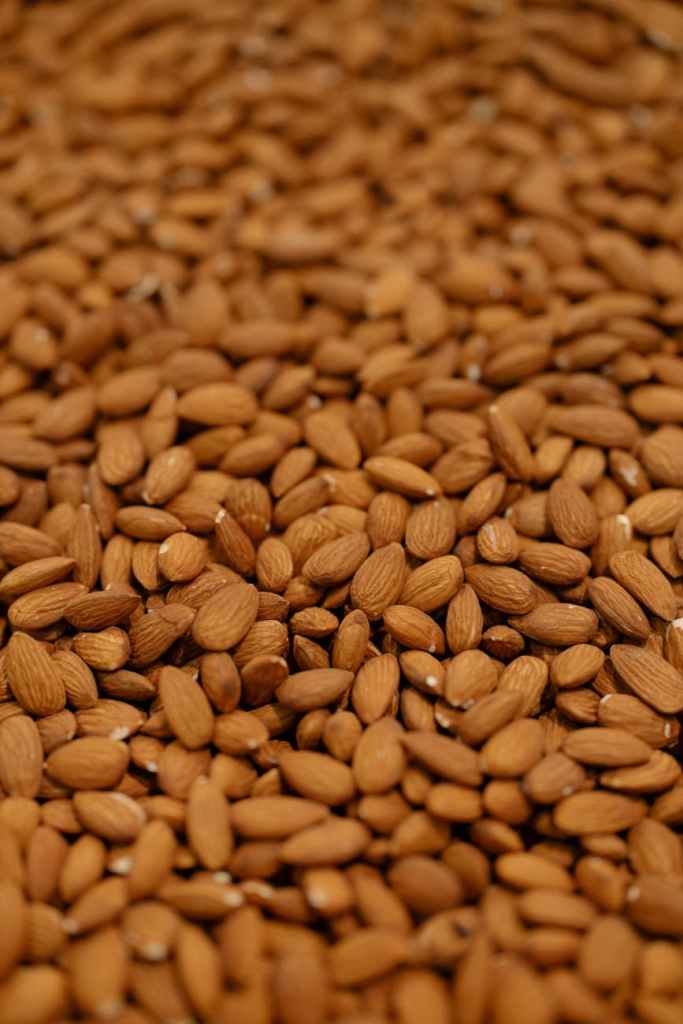
Nuts of all types are high in magnesium, potassium, and heart-healthy monounsaturated fat. They’re also a great source of antioxidant.
Brazil nuts are one of the best sources of selenium. Just 2 Brazil nuts provide more than 100% of the Daily Value (DV).
Although nuts are high in calories, studies suggest you don’t absorb all of their fat.
For example, some studies show that your body only absorbs about 129 calories from a 1-ounce (28-gram) serving of whole almonds, though you absorb more fat from processed versions, such as almond butter.
Another study notes that your body only absorbs 80% of the calories from almonds and walnuts.
Furthermore, nuts’ high protein, fat, and fiber contents promote fullness, which may aid weight management.
Nut intake is also linked to better heart and brain health. In fact, one study associated eating peanuts and tree nuts 2 or more times per week and walnuts 1 or more times per week with a 13–19% reduced risk of heart disease.
Topping Greek yogurt, cottage cheese, or oatmeal with a spoonful or two of chopped nuts is a great way to increase your breakfast’s nutritional value.
SUMMARY
Nuts are a filling, nutrient-dense food that may help reduce heart disease risk and promote brain health.
Wholesome Breakfast Pancakes and Waffles

Pancakes and waffles are not easy to whip up on a busy morning, but good news is that they are one of the best foods to freeze. Cook the recipe or double it up, let cool completely, place in a Ziploc bag, release as much air as possible and freeze laying flat for up to 3 months. When ready to eat, pop straight from the freezer into the toaster or microwave.
Courtesy healthline.
Blue Star Insider
By JOE MWANGI
 THE BLUESTAR INSIDER
Pingback: Best of Foods to Eat in the Morning – FitFixx