


Mental health is a state of well-being in which the individual realizes his or her own abilities, can cope with the normal stresses of life, can work productively and fruitfully, and is able to make a contribution to his or her community. According to the World Health Organization (WHO). Mental health includes subjective well-being, perceived self-efficacy, autonomy, competence, intergenerational dependence, and self-actualization of one’s intellectual and emotional potential, among others. From the perspectives of positive psychology or holism, mental health may include an individual’s ability to enjoy life and to create a balance between life activities and efforts to achieve psychological resilience. Cultural differences, subjective assessments, and competing professional theories all affect how one defines “mental health”. Some early signs related health problems are sleep irritation, lack of energy and thinking of harming yourself or others.
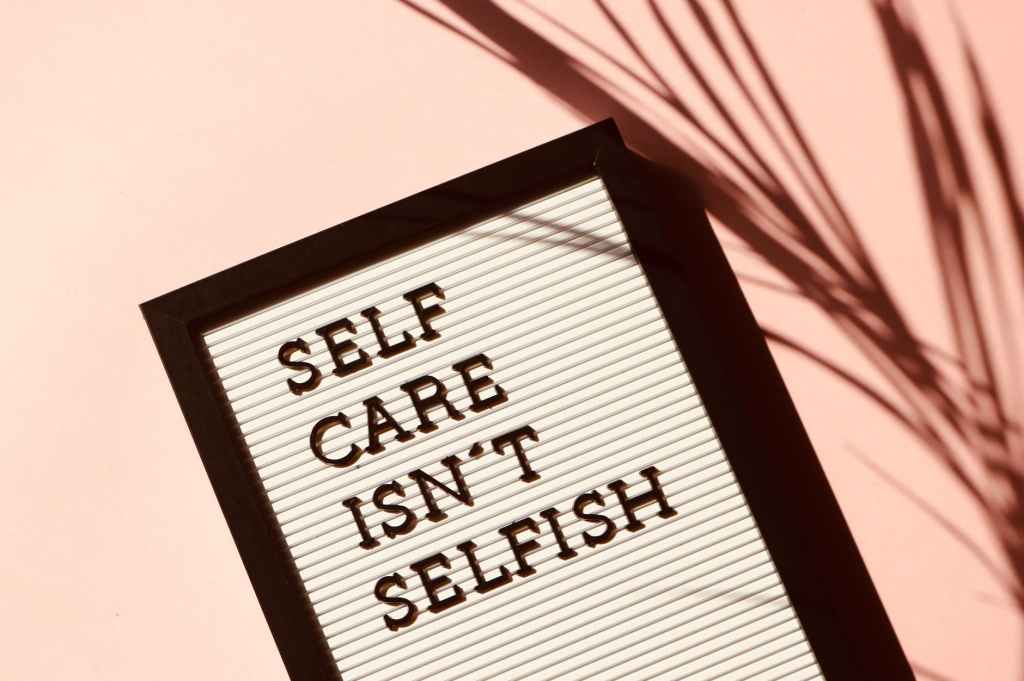
Mental health includes our emotional, psychological, and social well-being. It affects how we think, feel, and act. It also helps determine how we handle stress, relate to others, and make choices. Mental health is important at every stage of life, from childhood and adolescence through adulthood.
Some of the more common mental health issues and mental illnesses are:
Anxiety disorders.
Behavioural and emotional disorders in children.
Bipolar affective disorder.
Depression.
Dissociation and dissociative disorders.
Eating disorders.
Obsessive compulsive disorder.
Paranoia.

Talking about mental health helps improve our communities by making it more acceptable for those suffering from mental illnesses to seek help, learn to cope, and get on the road to recovery. In addition, mental health isn’t just about mental illnesses. It’s also about maintaining a positive state of wellbeing.
By JOE MWANGI.
 THE BLUESTAR INSIDER